
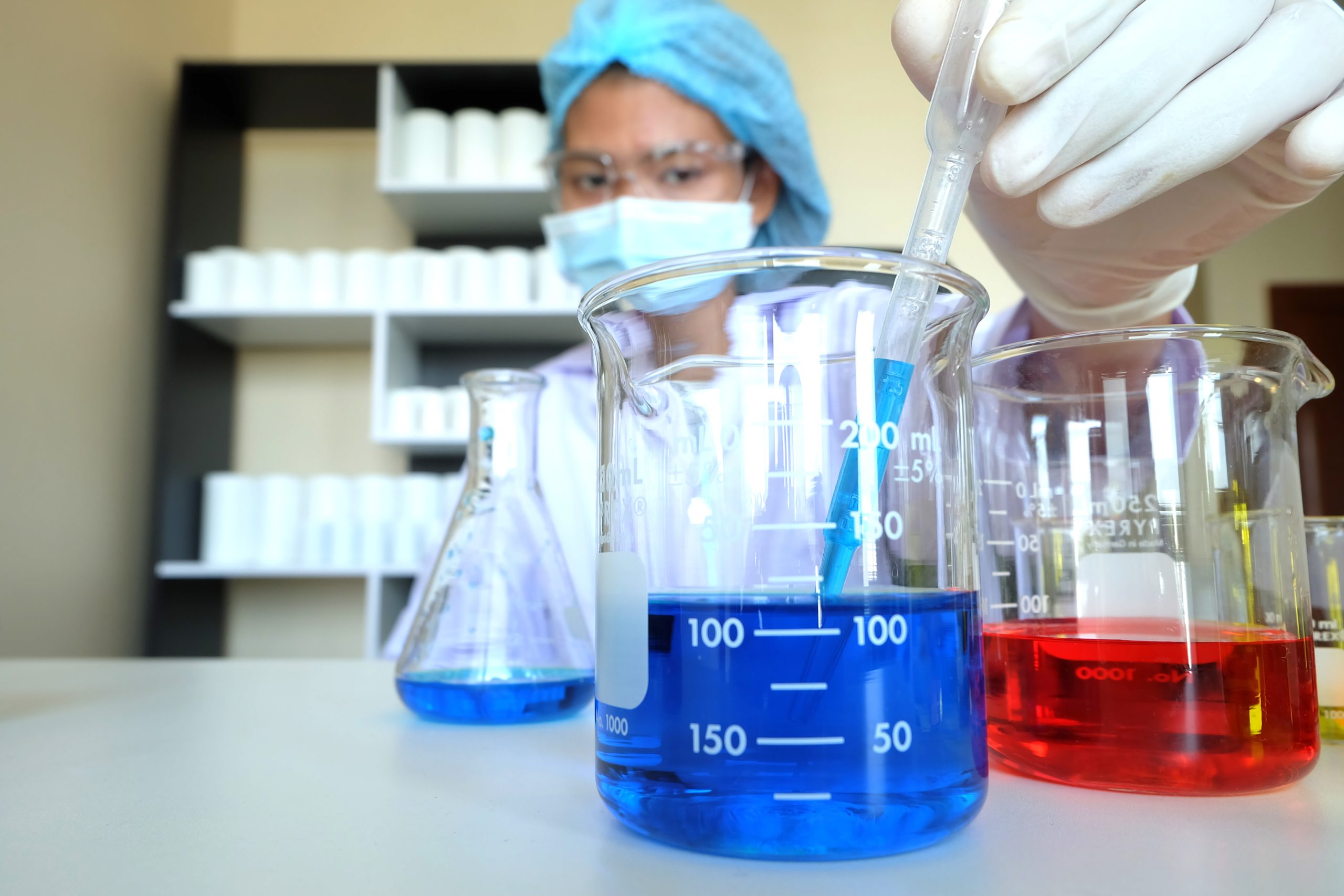
Saudi Arabia’s flocculant and coagulant market is closely linked to the Kingdom’s desalination, municipal wastewater treatment, industrial water processing and sludge-management requirements. Coagulants such as aluminum- and iron-based chemicals destabilize suspended particles, while polymeric flocculants improve settling, clarification and sludge dewatering. Saudi Arabia currently has total water-production capacity of about 12.8 million cubic metres per day, while daily water distribution has reached approximately 11.4 million cubic metres. This large treatment base creates recurring demand for chemicals used in pretreatment, clarification and wastewater-processing operations.
Key Market Drivers of Saudi Flocculant and Coagulant Market
Expanding Desalination and Pretreatment Requirements
Desalination remains one of the strongest demand generators for flocculants and coagulants in Saudi Arabia because seawater pretreatment must remove suspended solids, colloids, algae and other contaminants before membrane or downstream treatment stages. Saudi Water Partnership Company’s desalination development portfolio includes projects representing 4.3 million cubic metres per day of planned capacity, including Ras Al Khair 3 and Rabigh 5 at 400,000 cubic metres per day each. As additional independent water plants are commissioned, consumption of inorganic coagulants and organic polymers can rise through clarification, dissolved-air flotation, filtration pretreatment and sludge handling. The expansion also supports greater demand for optimized chemical dosing because reverse-osmosis plants require consistent feedwater quality to limit membrane fouling and operational disruption.
Wastewater Treatment and Reuse Expansion
Municipal wastewater treatment is another important driver. SWPC’s project portfolio indicates planned sewage-treatment production capacity of approximately 3.82 million cubic metres per day through 2029, while the Madinah region alone is expected to see collected wastewater for treatment rise from 560,000 cubic metres per day to substantially higher volumes under its capacity plan. Flocculants and coagulants are required across primary clarification, phosphorus removal, tertiary treatment and sludge dewatering. The Al Haer independent sewage-treatment project adds 200,000 cubic metres per day of treatment capacity and includes treated-water transmission infrastructure, further illustrating how wastewater reuse is moving toward larger integrated systems.
Industrial Water and Sludge Management
Saudi industrial facilities in petrochemicals, refining, mining, power generation and manufacturing generate process water and wastewater streams that often require solids separation and sludge conditioning. Polyacrylamide-based flocculants and organic coagulants are particularly relevant where operators need faster sedimentation, lower sludge volumes and improved dewatering. SNF Saudia has maintained a local presence in Dammam since 2017, supplying polymers including polyDADMAC and polyamine products for municipal and industrial water treatment. The availability of local technical support and warehousing improves chemical availability for industrial users requiring continuous treatment operations.
Government Support Towards Saudi Flocculant and Coagulant Market
Saudi Arabia’s National Water Strategy prioritizes reliable water supply, better wastewater services, improved demand management, greater reuse of treated wastewater and increased private-sector participation. The Ministry of Environment, Water and Agriculture also lists treated-wastewater reuse among its National Transformation Program initiatives. Longer-term water-sector objectives include increasing sanitation coverage and recycling more than 70% of treated wastewater, which should support continuing demand for clarification and sludge-treatment chemicals.
Competitive Landscape of Saudi Flocculant and Coagulant Market
The market includes international specialty-chemical suppliers, regional distributors and locally established water-treatment companies. SNF operates directly in Saudi Arabia and supplies polyacrylamides, polyamines and polyDADMAC coagulants. Other global companies active across water-treatment chemicals include Kemira, Solenis and Ecolab, while Saudi-based suppliers and treatment-system companies compete through local distribution, technical support and formulation capability. NSF listings also identify Saudi facilities supplying certified coagulation and flocculation treatment products for potable-water applications.
Market Challenges of Saudi Flocculant and Coagulant Market
Feedwater Variability and Chemical Optimization
Saudi treatment plants handle seawater, brackish water, municipal wastewater and complex industrial effluents, each requiring different chemical programs. Variations in turbidity, salinity, organic matter and temperature can materially change optimal coagulant dose and polymer selection. Incorrect dosing can increase sludge formation, raise chemical consumption or reduce clarification efficiency, making jar testing, online monitoring and application-specific formulation important.
Dependence on Specialized Raw Materials
High-performance polymeric flocculants depend on specialized monomers and chemical intermediates, creating exposure to international supply chains. Although local warehousing and technical operations are expanding, Saudi users still rely on global chemical producers for several advanced formulations. Maintaining reliable product availability while meeting potable-water certification, industrial specifications and increasingly stringent performance requirements remains a key supplier challenge.
Future Outlook
The outlook for Saudi Arabia’s flocculant and coagulant market remains positive as desalination, wastewater reuse and industrial water-treatment infrastructure continue expanding. Current national production capacity already stands at approximately 12.8 million cubic metres per day, while SWPC maintains a substantial pipeline of desalination and wastewater projects. Demand is expected to increasingly favor high-efficiency polymers, optimized coagulant blends and products compatible with advanced membrane pretreatment and sludge-dewatering processes. Suppliers offering local inventories, application laboratories, dosing optimization and technical service are likely to be better positioned as Saudi water treatment becomes more sophisticated.
Consultants at Nexdigm, in their latest publication “KSA Flocculant and Coagulant Market Outlook to 2035” analyze the sector By Product Type (Flocculants, Coagulants, Coagulant-Flocculant Blended Systems, Specialty Solid-Liquid Separation Formulation), By Application Type (Coagulation, Flocculation, Clarification, Sedimentation, Sludge Thickening, Produced Water Treatment), By Water Treatment Application (Municipal Wastewater Treatment, Drinking Water Treatment, Desalination Pretreatment)
Nexdigm suggests that businesses in the KSA Flocculant and Coagulant Market strengthen local supply chains, expand technical service capabilities, optimize chemical dosing solutions, and align offerings with growing desalination, wastewater reuse, industrial treatment, and sustainability requirements across Saudi Arabia.
To take the next step, simply visit our Request a Consultation page and share your requirements with us.
Harsh Mittal
+91-8422857704