
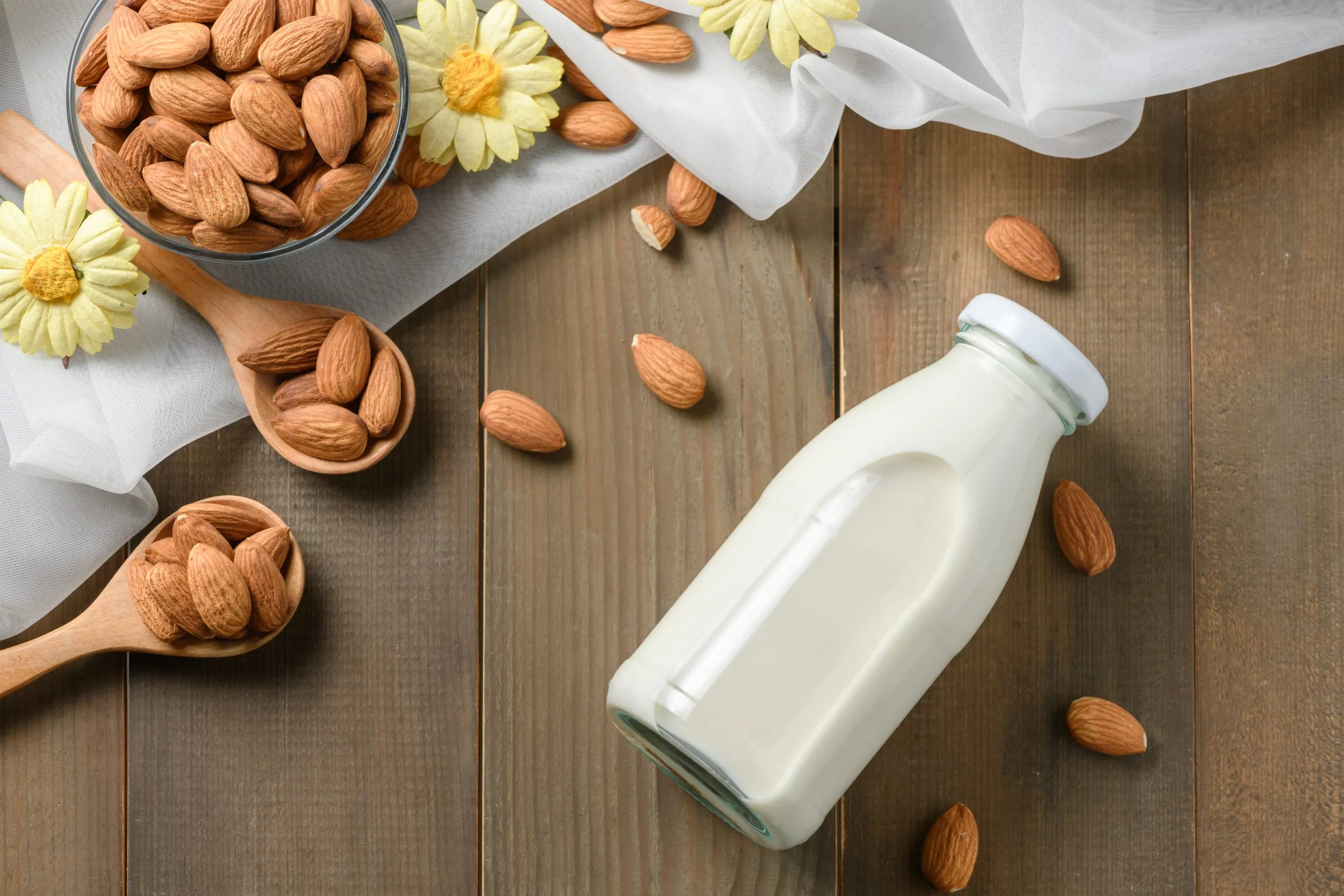
The Singapore Almond Milk Market is gaining significant momentum as consumers increasingly embrace plant-based nutrition and healthier lifestyle choices. Almond milk has become a popular dairy alternative among consumers seeking lactose-free, low-fat, and cholesterol-free beverage options. The market is benefiting from growing awareness of food sensitivities, environmental sustainability, and animal welfare concerns. Singapore’s broader dairy alternatives market is expanding at a CAGR of approximately 13.5%, creating favorable conditions for almond milk consumption across retail, foodservice, and online channels. As health-conscious consumers continue to diversify their dietary preferences, almond milk is becoming a staple in many households and cafés across the city-state.
Key Growth Drivers Accelerating the Singapore Almond Milk Market
Rising Preference for Plant-Based and Dairy-Free Nutrition
One of the strongest growth drivers for the Singapore Almond Milk Market is the increasing demand for plant-based food and beverage products. Consumers are becoming more aware of the health benefits associated with dairy alternatives, particularly products that are lactose-free and lower in saturated fat. Almond milk is widely recognized as a nutritious option that offers essential vitamins and minerals while fitting into vegan and flexitarian diets. The growing prevalence of lactose intolerance and dairy allergies is further encouraging consumers to switch to almond milk. Many Singaporeans are actively incorporating plant-based beverages into their daily diets, whether in coffee, smoothies, breakfast cereals, or cooking applications. This gradual shift is supporting sustained market demand.
Health and Wellness Trends Influencing Consumer Choices
Health-conscious living continues to shape food and beverage purchasing patterns in Singapore. Consumers increasingly seek products that support balanced nutrition, weight management, and overall well-being. Almond milk’s low-fat profile, absence of lactose, and perceived health benefits make it an attractive alternative to traditional dairy products. In addition, demand for clean-label and fortified beverages is rising. Manufacturers are responding by introducing almond milk products enriched with calcium, vitamins, and functional ingredients that appeal to wellness-focused consumers. These value-added offerings are helping drive greater adoption across multiple demographic groups.
Growing Retail Accessibility and Café Adoption
The widespread availability of almond milk across supermarkets, convenience stores, specialty retailers, and online platforms is improving consumer access. Singapore’s sophisticated retail infrastructure allows consumers to easily explore a wide variety of dairy alternatives. At the same time, cafés and foodservice establishments are increasingly offering almond milk as a standard beverage option. Growing demand for plant-based coffee drinks and specialty beverages is encouraging restaurants and cafés to expand their non-dairy menus. This trend is further strengthening visibility and consumer familiarity with almond milk products.
Government and Sustainability Initiatives Supporting the Singapore Almond Milk Market
Singapore’s focus on healthier living and sustainable consumption is indirectly supporting the Singapore Almond Milk Market. Public awareness campaigns promoting balanced diets and healthier food choices have increased consumer interest in plant-based alternatives. At the same time, sustainability concerns are encouraging consumers to choose products with a lower environmental footprint. Industry participants are also investing in eco-friendly packaging, clean-label ingredients, and sustainable sourcing initiatives. These efforts align with Singapore’s broader sustainability goals and appeal to environmentally conscious consumers seeking responsible food and beverage choices.
Competitive Landscape of the Singapore Almond Milk Market
The Singapore Almond Milk Market features strong competition among international dairy-alternative brands, regional manufacturers, and private-label offerings. Companies are focusing on product innovation, nutritional fortification, flavor development, and premium positioning to attract consumers. Leading players continue to strengthen their market presence through new product launches, partnerships with retailers, and expansion into foodservice channels. Competition is increasingly centered on taste, ingredient transparency, sustainability credentials, and functional health benefits.
Key Challenges Facing the Singapore Almond Milk Market
Premium Pricing and Competitive Pressure
One of the primary challenges facing the Singapore Almond Milk Market is the relatively higher cost of almond milk compared to traditional dairy products. Premium ingredients, imported raw materials, and specialized manufacturing processes can contribute to elevated retail prices. At the same time, almond milk faces competition from other plant-based alternatives such as oat, soy, rice, and coconut milk. Manufacturers must continuously differentiate their products to maintain market share and justify premium pricing.
Market Saturation and Product Differentiation
As more brands enter the dairy alternatives space, competition is becoming increasingly intense. Brands must invest in innovation, packaging, and nutritional enhancements to stand out in a crowded marketplace. Consumers also expect continuous product improvements and new flavor options, making ongoing research and development essential for long-term success.
Future Outlook
The future of the Singapore Almond Milk Market remains highly promising, supported by strong growth in the broader dairy alternatives segment. Rising health awareness, increasing adoption of plant-based diets, and growing consumer interest in sustainable products are expected to continue driving demand. The dairy alternatives market is forecast to expand at a CAGR of approximately 13.5%, providing a favorable backdrop for almond milk manufacturers. Emerging trends such as fortified almond milk, clean-label formulations, barista-focused products, and innovative flavor offerings are likely to create new growth opportunities. As consumers continue prioritizing wellness, convenience, and sustainability, almond milk is expected to remain one of the leading dairy alternatives in Singapore’s evolving beverage landscape.
Consultants at Nexdigm, in their latest publication “Singapore Almond Milk Market Outlook to 2035,” analyze the sector By Product Type (Unsweetened Almond Milk, Sweetened Almond Milk, Flavored Almond Milk, Organic Almond Milk, Fortified Almond Milk), By Packaging Type (Cartons, PET Bottles, Glass Bottles, Tetra Packs, Multipack Formats).
Nexdigm suggests that manufacturers should prioritize product innovation, sustainability-focused branding, premium nutrition offerings, and strategic partnerships with cafés and retailers to capitalize on emerging opportunities within the Singapore Almond Milk Market.
To take the next step, simply visit our Request a Consultation page and share your requirements with us.
Harsh Mittal
+91-8422857704