
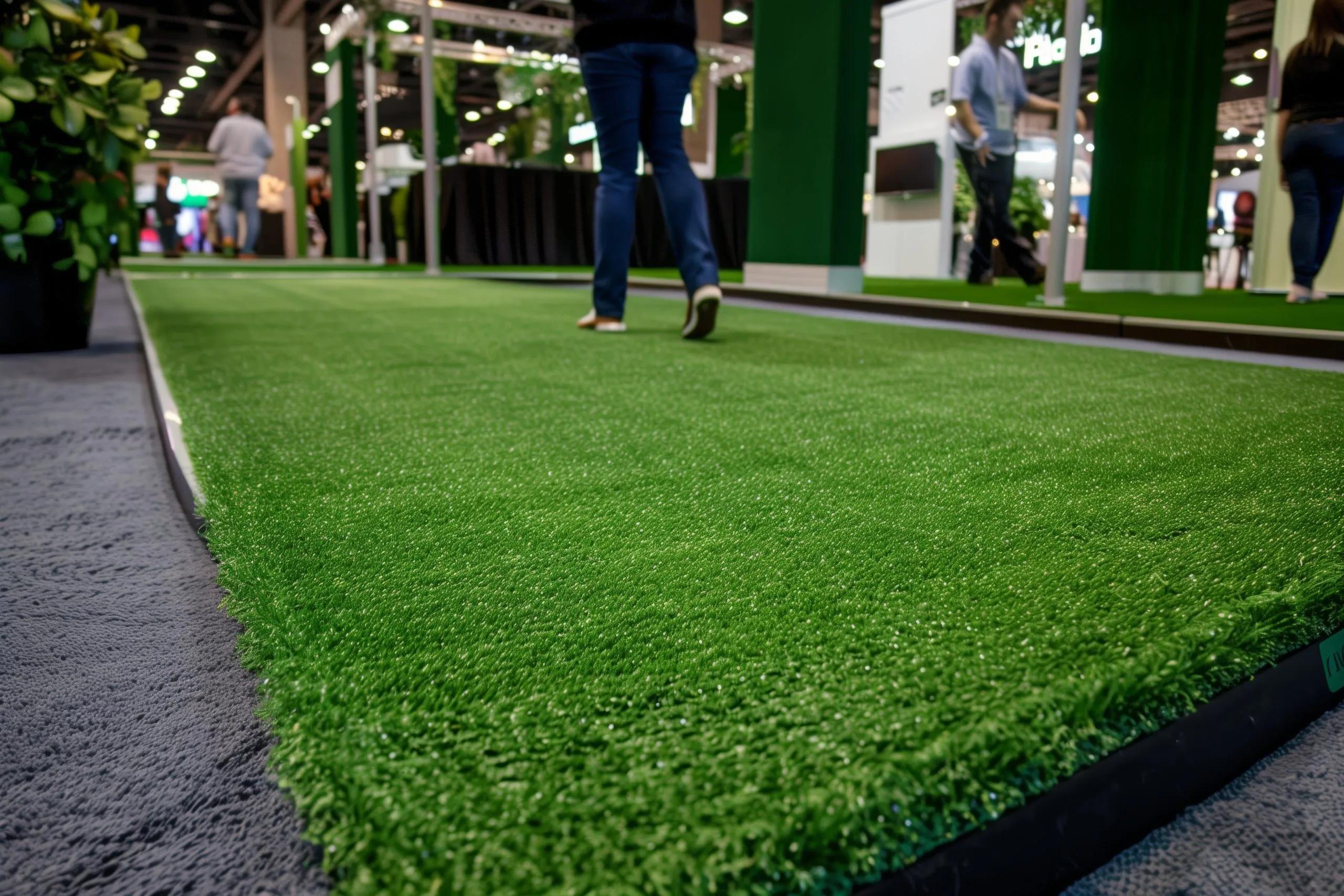
The Singapore artificial turf market is expected to grow steadily as the country continues to balance urban development, recreational needs and limited land availability. In a compact city-state of around 734 square kilometres, every usable outdoor and semi-outdoor space matters. Artificial turf is becoming a practical choice for schools, sports facilities, residential buildings, commercial properties, rooftops and public recreation areas. It offers a neat, green appearance with lower maintenance needs compared with natural grass. As the global artificial turf market continues to expand, Singapore is likely to see stronger adoption of synthetic surfaces that support durability, convenience and year-round usability.
Key Growth Drivers Shaping the Singapore Artificial Turf Market
Compact Urban Spaces Creating Demand for Practical Green Surfaces
Singapore’s land scarcity is one of the biggest reasons artificial turf is gaining attention. Many properties do not have enough open ground for traditional lawns, so developers and homeowners are using artificial turf in rooftops, balconies, terraces, small gardens, childcare centres and playgrounds. These spaces need surfaces that look attractive, remain usable and require limited upkeep. Artificial turf helps create green-looking areas where natural grass may struggle due to shade, heavy foot traffic or lack of soil depth.
Sports and Recreation Facilities Supporting Market Expansion
Sports and recreation are important application areas for the Singapore artificial turf market. Schools, football fields, futsal courts, community clubs, training centres and private sports facilities need surfaces that can handle frequent use without becoming patchy, muddy or uneven. Artificial turf supports longer operating hours and allows facilities to be used more consistently across different activities. Globally, sports fields account for more than 55% of artificial turf demand, showing how important this segment is for market growth.
Low Maintenance Benefits and Year-Round Usability
Artificial turf is becoming more attractive because it reduces the regular work needed to maintain natural grass. Natural turf often requires mowing, watering, fertilizing, pest control and repair, while artificial turf needs much less routine care. In Singapore, where labor and property maintenance costs can be high, this makes synthetic turf appealing for schools, clubs, commercial buildings and residential developments.
Public Planning and Infrastructure Support for Singapore’s Artificial Turf Market
Singapore’s emphasis on urban liveability, recreation and active lifestyles is expected to support demand for artificial turf in selected applications. Public planning efforts focus on accessible parks, community spaces, sports facilities and well-designed residential environments. These priorities can create opportunities for synthetic turf in schools, housing estates, playgrounds and recreational areas where durability and easy maintenance are important. While artificial turf may not be the direct focus of government policy, broader investments in sports participation, public infrastructure and green urban design can support market growth. The country’s focus on efficient land use also makes synthetic surfaces relevant in spaces where natural grass is difficult to maintain.
Competitive Landscape of the Singapore Artificial Turf Market
The Singapore artificial turf market is served by local landscaping companies, sports-surface contractors, importers and international turf brands. Competition is shaped by product quality, installation expertise, drainage performance, durability, safety standards and after-sales service. Sports projects often require surfaces suitable for football, futsal, hockey or multipurpose activities, while residential and commercial buyers usually focus on softness, appearance and ease of maintenance. Companies that can provide end-to-end services, from site assessment and base preparation to installation and maintenance, are likely to build stronger customer trust. As buyers become more aware of product differences, reliable warranties and proven project experience will become important competitive advantages.
Challenges Affecting the Singapore Artificial Turf Market
Heat Retention and Outdoor Comfort
Artificial turf can retain heat under direct sunlight, which may affect comfort in Singapore’s warm and humid climate. This is especially relevant for rooftops, playgrounds, sports courts, childcare centres and pet-friendly areas. Buyers may need to choose turf systems with better cooling performance, suitable infill and appropriate installation design. Shade planning and surface selection will become more important for projects where people spend long periods outdoors. Suppliers that can address heat-related concerns with improved products and practical guidance will have an advantage.
Sustainability and End-of-Life Disposal Concerns
Environmental concerns are becoming more important in Singapore’s artificial turf market. Since artificial turf is made largely from synthetic materials, buyers are paying closer attention to plastic waste, microplastics, infill materials and disposal after use. These issues may influence procurement decisions, especially public projects and sustainability-focused developments. Customers may increasingly prefer recyclable turf systems, safer infill options and suppliers with responsible removal or replacement practices. As sustainability expectations rise, environmental performance will become a more important part of product selection.
Future Outlook
The Singapore artificial turf market is expected to become more established across sports, residential, commercial and public infrastructure applications. Demand is likely to be strongest in schools, futsal facilities, rooftops, playgrounds, housing estates, hotels and commercial landscaping projects. Limited land availability, high maintenance costs and the need for reliable green spaces will continue to support adoption. At the same time, buyers will expect products that are safer, cooler, softer and more sustainable. Future growth will depend on improvements in drainage, recyclability, cooling performance and surface comfort. As Singapore continues to optimize compact urban spaces, artificial turf is expected to remain a useful solution for creating durable, attractive and low-maintenance green areas.
Consultants at Nexdigm, in their latest publication “Singapore Artificial Turf Market Outlook to 2035,” analyze the sector By Product Type (Sports Turf, Landscape Turf, Others), By Material Type (Nylon, Polyethylene, Others), by End user Segment (Sports Facility Users, Commercial Developers, residential Builders, Real Estate Developers, Government and Municipalities).
Nexdigm suggests that businesses should capitalize on Singapore’s strong sports culture and increasing urbanization by investing in durable and eco-friendly turf solutions, expanding partnerships in sports infrastructure projects, and targeting urban landscaping applications to effectively capture emerging opportunities in the artificial turf market.
To take the next step, simply visit our Request a Consultation page and share your requirements with us.
Harsh Mittal
+91-8422857704