
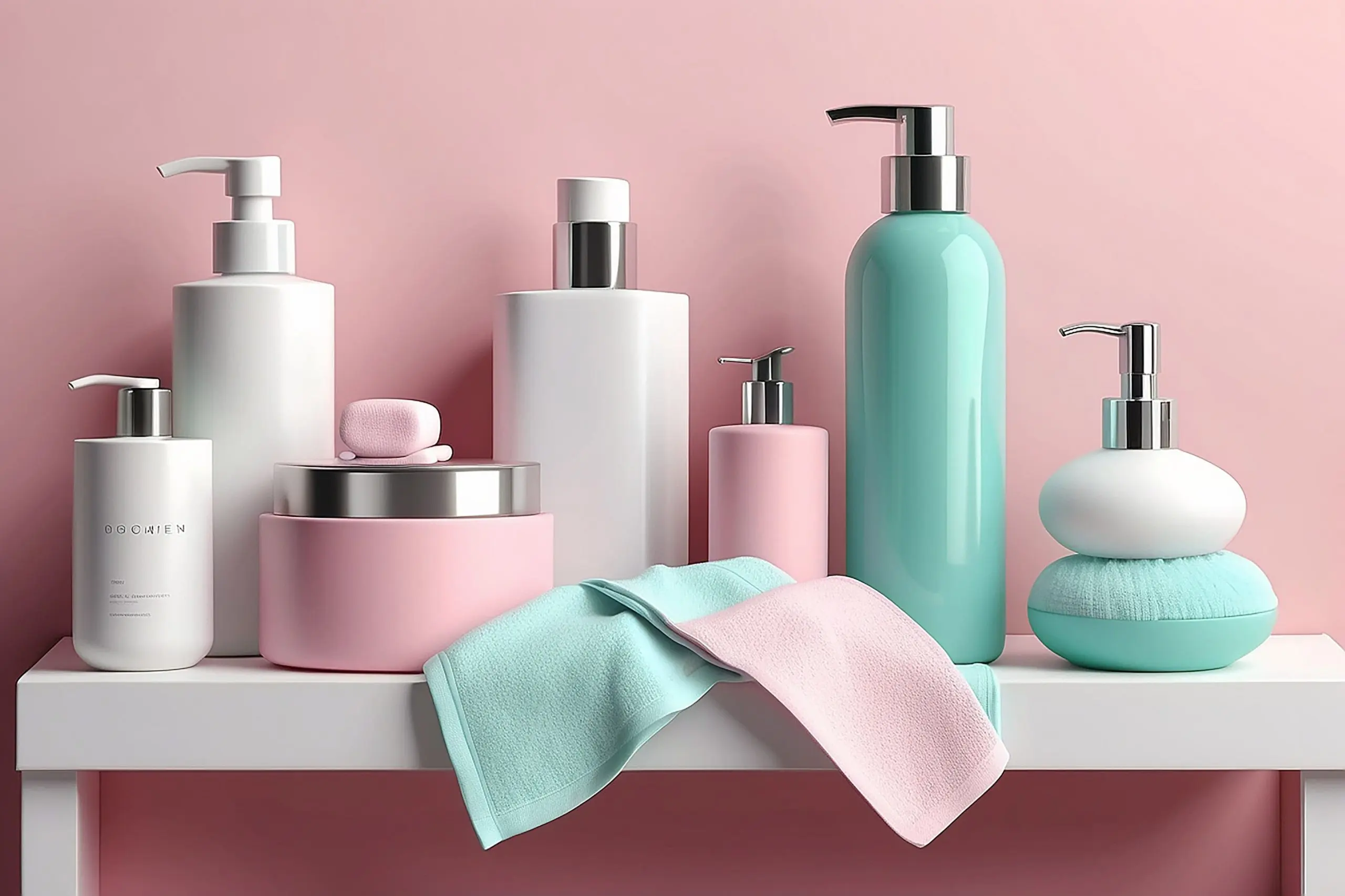
Singapore’s beauty and personal care products market has evolved far beyond basic cosmetics and grooming essentials. Consumers today are far more selective about what they apply on their skin, how products are sourced, and even how brands communicate online. By 2026, Singapore remains one of Southeast Asia’s strongest premium beauty markets, supported by high purchasing power, strong retail infrastructure, and a digitally connected population that follows global beauty trends closely. Skincare continues to dominate spending, particularly among younger consumers influenced by Korean and Japanese beauty routines. At the same time, wellness-focused personal care products are finding space in everyday routines as consumers place greater attention on preventive self-care rather than occasional luxury purchases.
What’s Driving the Beauty and Personal Care Products Market in Singapore?
Premium Skincare and Ingredient Transparency
Consumers in Singapore have become noticeably more ingredient-conscious over the last few years. Products marketed with terms such as fragrance-free, dermatologist-tested, vegan, or non-comedogenic are no longer niche offerings sitting in specialty stores. They have become mainstream expectations, especially among urban consumers in their twenties and thirties. This shift has pushed brands to rethink formulations and product messaging. A common observation in Singapore’s retail market is that consumers often spend more time reading ingredient labels than comparing prices. Brands offering niacinamide serums, probiotic skincare, sunscreen hybrids, and sensitive-skin formulations are performing particularly well. In practice, premium pricing has not slowed demand as much as many expected because buyers increasingly associate skincare with long-term wellness rather than discretionary spending.
E-Commerce and Influencer-Led Purchasing Habits
Online beauty retail has changed the way products are discovered and purchased. Many consumers now encounter products through TikTok reviews, livestream sessions, or skincare creators long before visiting a physical store. Traditional retail still matters, especially in premium malls along Orchard Road, but digital influence shapes a large part of the buying journey. Singapore’s high internet penetration and fast delivery infrastructure make online beauty shopping convenient and relatively low risk. Consumers can compare reviews instantly, test virtual makeup shades, and receive same-day deliveries for replenishment purchases. One interesting shift is the rise of smaller direct-to-consumer brands competing with global names through social engagement rather than advertising budgets alone. Some local skincare startups have built loyal customer bases almost entirely through Instagram and community-driven marketing.
Male Grooming and Wellness-Oriented Products
Male grooming has quietly become one of the more interesting segments in the market. Demand no longer revolves only around shaving creams or deodorants. Men are purchasing facial cleansers, anti-aging creams, scalp treatments, and fragrance collections with far greater comfort than a decade ago. The broader wellness movement also plays a role here. Products linked to stress relief, sleep improvement, hydration, and sun protection are becoming part of daily routines across both male and female consumers. Singapore’s humid climate creates steady demand for lightweight skincare and sweat-resistant formulations, which explains why gel-based moisturizers and water-based sunscreens remain consistently popular.
Government Support for Sustainable Consumer Industries
Singapore’s push toward sustainability is gradually influencing the beauty sector, even if regulation remains less aggressive than in parts of Europe. Packaging waste has become a growing concern, particularly in high-consumption categories like cosmetics and personal hygiene products. As a result, brands are experimenting with refill stations, recyclable packaging, and reduced plastic usage. Some retailers now offer incentives for returning empty product containers. While sustainability messaging attracts attention, consumers still weigh convenience and product performance heavily. On the ground, many buyers support eco-friendly products only if pricing remains reasonable.
Market Competition and Brand Expansion
Competition in Singapore’s beauty market is intense, and shelf space is difficult to secure. Global companies such as L’Oréal, Estée Lauder, Shiseido, and Unilever continue expanding through both retail stores and online channels. Yet smaller regional brands are carving out space by targeting specific concerns like tropical skincare, halal-certified cosmetics, or minimalist routines. A noticeable trend is the blending of retail and experience. Beauty stores are increasingly offering skin analysis tools, consultation counters, and personalized product recommendations rather than functioning purely as sales outlets. This matters because Singaporean consumers are generally well-informed and difficult to impress with marketing alone.
High Competition and Rapidly Shifting Consumer Preferences
One challenge many brands face is the speed at which consumer preferences change. Trends can peak and disappear within months, particularly on social media platforms where product virality often determines short-term sales performance. A skincare ingredient popular today may quickly lose relevance once consumers shift attention elsewhere. High operating costs create another layer of pressure. Retail rents, influencer collaborations, and digital advertising expenses remain expensive in Singapore. Smaller brands often struggle to maintain visibility despite having strong products. In many cases, customer acquisition costs rise faster than revenue growth.
Future Outlook
Singapore’s beauty and personal care products market will likely become even more technology-driven over the next decade. AI-based skin diagnostics, personalized formulations, and subscription-led skincare models are already entering the mainstream. Cross-border e-commerce and tourism recovery should also support premium beauty sales, particularly in luxury cosmetics and fragrances.
Consultants at Nexdigm, in their latest publication “Singapore Beauty and Personal Care Products Market Outlook to 2035”, analyzed the market by Product Category (Skincare, Haircare, Cosmetics, Fragrances, Personal Hygiene Products), By Distribution Channel (Supermarkets & Hypermarkets, Specialty Stores, Pharmacies, Online Retail, Direct-to-Consumer Platforms), and By Consumer Group (Men, Women, Gen Z, Premium Consumers). Nexdigm believes companies that balance digital engagement with product authenticity and sustainable practices will hold a stronger advantage as consumer expectations continue evolving.
To take the next step, simply visit our Request a Consultation page and share your requirements with us.
Harsh Mittal
+91-8422857704