
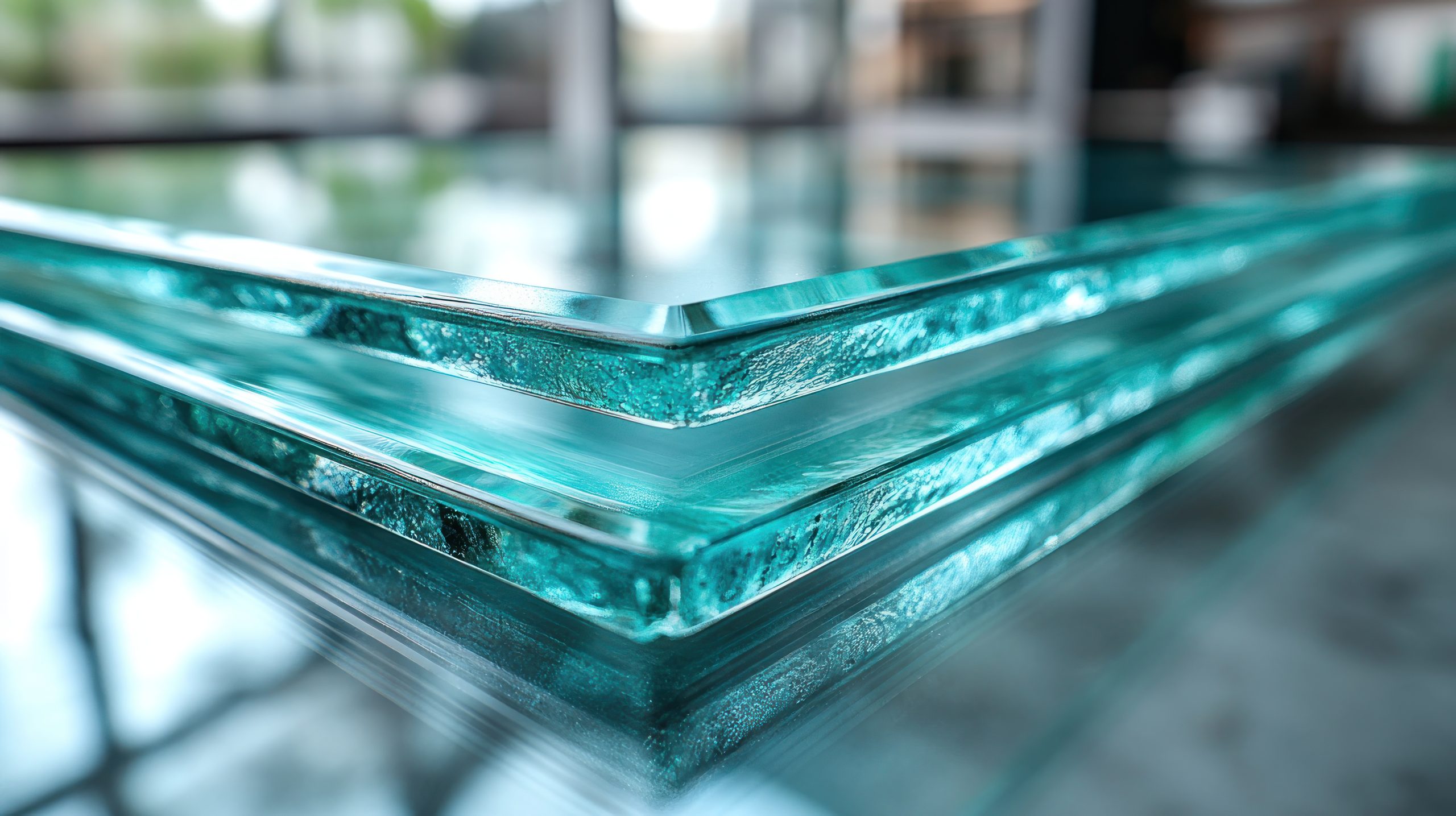
Singapore’s coated glass market is benefiting from sustained construction activity, tropical climate requirements, and growing emphasis on energy-efficient buildings. Low-E and solar-control coatings can help manage heat gain while preserving daylight, making them relevant for offices, residential developments, hotels, healthcare facilities, and commercial façades. Singapore’s Building and Construction Authority (BCA) expects total construction demand of S$47–53 billion in 2026, while construction output is projected at S$43–46 billion. This continued project pipeline provides opportunities for advanced glazing suppliers serving Singapore’s increasingly sustainability-focused built environment.
Market Drivers Shaping Singapore’s Coated Glass Industry
Tropical Climate Increasing Demand for Solar-Control Glazing
Singapore’s hot and humid tropical climate makes solar heat management an important consideration for building designers. Coated glass can reduce unwanted solar heat transmission through windows and façades while maintaining natural daylight. This can support indoor thermal comfort and help buildings manage cooling loads. The relevance of high-performance glazing is strengthened by Singapore’s emphasis on building energy performance. BCA’s Green Mark 2021 scheme is specifically tailored to the tropical climate and places strong emphasis on energy performance, carbon reduction, resilience, and healthier buildings.
Construction Pipeline Supporting Advanced Glass Applications
Singapore’s construction pipeline remains substantial, creating demand for architectural glass across commercial, institutional, residential, hospitality, and infrastructure projects. BCA forecasts S$39–46 billion of annual construction demand from 2027 to 2030, supporting continued opportunities for suppliers of specialized building materials. Large glazed façades and modern curtain-wall systems increasingly require glass that balances aesthetics with thermal and solar performance. This creates opportunities for Low-E, solar-control, and multifunctional coated products.
Sustainability Requirements Expanding Product Opportunities
Singapore’s green-building agenda is encouraging developers to consider whole-building energy performance rather than focusing only on conventional construction requirements. Advanced coated glass can contribute to efficient building envelopes while supporting daylighting and architectural flexibility.
Government Initiatives for Singapore’s Coated Glass Industry Growth
Singapore’s BCA Green Mark framework provides an important foundation for high-performance glazing. Green Mark 2021 applies to new and existing commercial, industrial, institutional, and residential buildings and emphasizes energy efficiency, embodied carbon, resilience, and healthier environments. BCA has also introduced Green Mark Version 7, including an energy-performance pathway and a new SLE70 tier requiring at least 70% energy savings, further strengthening the focus on efficient building technologies.
Competitive Landscape of Singapore’s Coated Glass Industry
Singapore’s coated glass market is served by international glass manufacturers, regional suppliers, and specialized processors. Competition is influenced by coating technology, optical quality, thermal performance, customization, durability, and project execution capabilities. Suppliers able to provide Low-E and solar-control products that support Green Mark requirements can address demand from sustainability-focused developers. Product reliability, technical support, and the ability to meet complex façade specifications are also important competitive factors in Singapore’s specialized construction market.
Challenges Facing Singapore’s Coated Glass Industry
High Technology and Processing Costs
Advanced coated glass requires specialized manufacturing and processing capabilities. Equipment, energy consumption, technical expertise, and quality-control requirements can increase costs compared with conventional glazing. This can create pricing pressure, particularly on projects with strict budgets.
Complex Performance Requirements
Singaporean projects increasingly demand glazing that balances solar control, thermal insulation, daylight transmission, aesthetics, durability, and sustainability. Meeting several performance criteria simultaneously can increase product-development and specification complexity. Suppliers must also adapt products to individual façade designs and project requirements.
Future Outlook
The next phase of Singapore’s coated glass market will likely be shaped by the intersection of construction growth and increasingly sophisticated sustainability requirements. With BCA forecasting S$47–53 billion in construction demand for 2026, the project pipeline provides a substantial base for advanced glazing applications. Meanwhile, Green Mark continues to push building owners toward stronger energy and carbon performance; certified green buildings already save more than 4.2 billion kWh of energy annually according to BCA. For coated-glass suppliers, this environment creates opportunities for multifunctional products combining solar control, thermal efficiency, daylight management, and architectural appeal.
Consultants at Nexdigm, in their latest publication “Singapore Coated Glass Market Outlook to 2035,” analyze the sector By Coating Type (Low E Coated Glass, Single Silver, Double Silver, Triple Silver E Coated Glass and Neutral Solar Control Glass), By Glass Substrate Type (Float, Tempered, Heat Strengthened Glass), By Application Type (Commercial, Office Buildings and Healthcare Facilities)
Nexdigm suggests that businesses in the Singapore Coated Glass Industry should invest in advanced solar-control coatings, develop climate-specific glazing, strengthen local project partnerships, improve manufacturing efficiency, and target sustainable construction developments.
To take the next step, simply visit our Request a Consultation page and share your requirements with us.
Harsh Mittal
+91-8422857704