
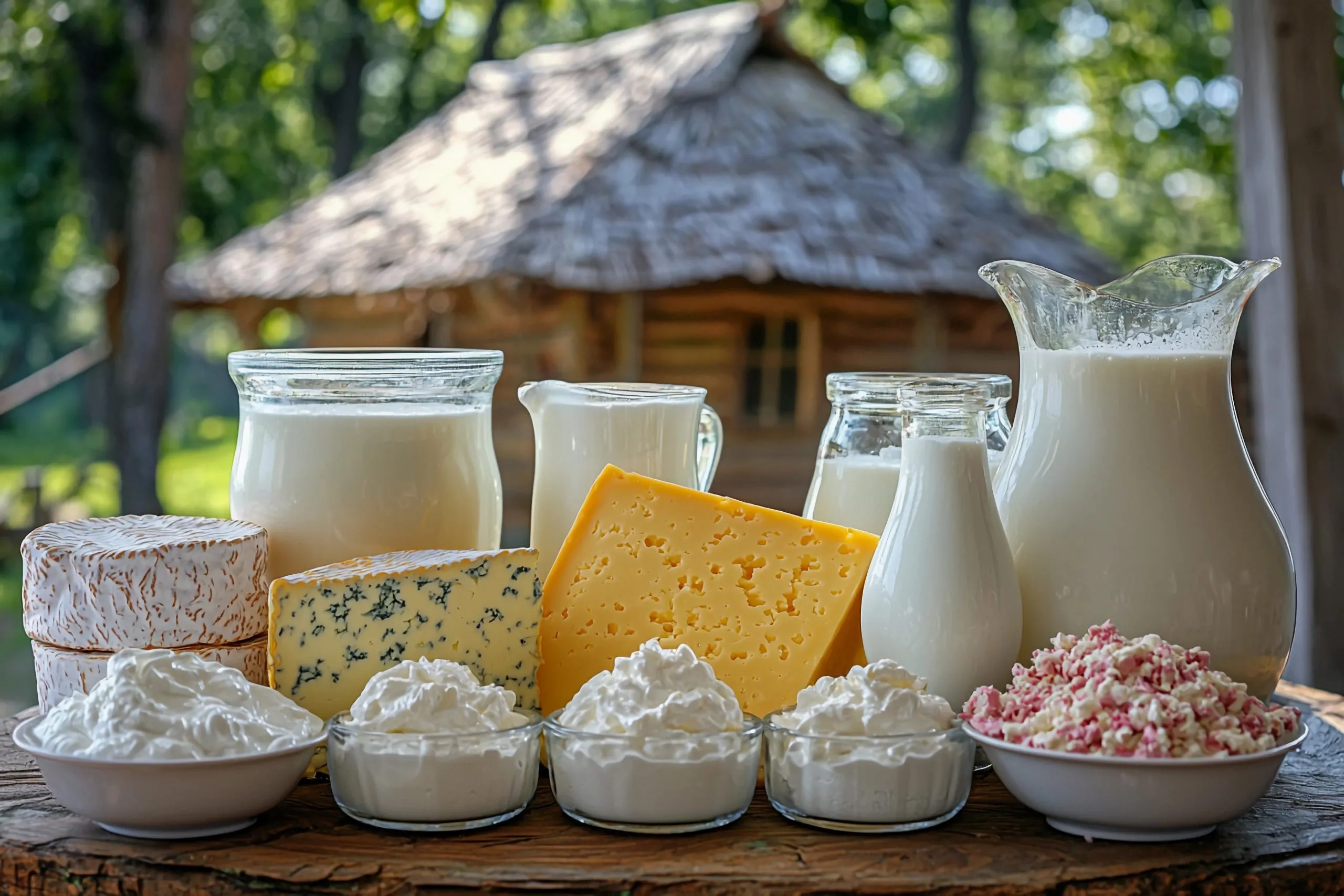
The Singapore dairy alternatives market is steadily gaining traction as consumers increasingly prioritize health, sustainability, and convenience in their dietary choices. Plant-based options such as soy, almond, and oat milk have become widely available across supermarkets, cafés, and online platforms. The market is currently valued at around USD 25 million and is expected to grow steadily, supported by rising demand for dairy-free and nutritious alternatives. This shift reflects Singapore’s evolving food culture, where modern consumers are balancing taste, health, and environmental awareness. Over time, dairy alternatives are transitioning from niche products to everyday essentials in urban households.
Key Growth Drivers of the Singapore Dairy Alternatives Market
Rising Lactose Intolerance and Health Consciousness
One of the major drivers of the Singapore dairy alternatives market is the high prevalence of lactose intolerance across Asia. Studies suggest that nearly 64% of the population in the region experiences lactose malabsorption, pushing consumers toward dairy-free options. As a result, plant-based products are increasingly viewed as a healthier alternative, offering benefits such as lower cholesterol and easier digestion. Consumers are also drawn to fortified options enriched with vitamins and minerals, making them nutritionally comparable to traditional dairy. This shift is particularly evident among working professionals and fitness-focused individuals who are actively seeking balanced and functional food choices.
Growing Vegan and Flexitarian Trends
The rise of vegan and flexitarian lifestyles is significantly influencing the Singapore dairy alternatives market. Consumers are becoming more conscious about sustainability, animal welfare, and the environmental impact of their food choices. This trend is supported by the broader plant-based food market in Singapore, which is growing at a CAGR of nearly 6.85%, reflecting increasing adoption of dairy and meat alternatives. With strong social media influence and exposure to global food trends, younger consumers are more willing to experiment with plant-based products. As a result, dairy alternatives are no longer limited to niche diets but are becoming part of mainstream consumption patterns.
Strong Retail and Café Culture Expansion
Singapore’s well-developed retail infrastructure and vibrant café culture play a crucial role in driving the dairy alternatives market. Supermarkets, convenience stores, and online platforms ensure easy availability of plant-based products. Plant-based milk dominates the category, accounting for around 85% of the market share, particularly due to its strong demand in coffee and ready-to-drink beverages. Cafés and coffee chains have significantly contributed to popularizing oat and almond milk, making them a default option in many urban settings. This widespread accessibility continues to accelerate consumer adoption across different demographics.
Government Support Strengthening the Singapore Dairy Alternatives Market
Government initiatives promoting sustainable food systems and innovation are playing a vital role in shaping the Singapore dairy alternatives market. Efforts to improve food security and reduce environmental impact have encouraged the adoption of plant-based nutrition. Additionally, Singapore’s focus on food innovation and import diversification supports the introduction of a wide range of plant-based products. These policies, combined with public awareness campaigns, are helping build consumer trust and encouraging long-term behavioral shifts toward sustainable consumption.
Competitive Landscape of the Singapore Dairy Alternatives Market
The Singapore dairy alternatives market is moderately competitive, with a mix of global and regional players. Key brands such as Vitasoy, Oatly, Danone, and F&N Foods are actively competing to strengthen their presence. Companies are focusing on product innovation, offering new flavors, fortified options, and convenient packaging to meet diverse consumer needs. Strategic collaborations with retailers and cafés are also helping brands expand their reach and enhance visibility in a highly urbanized market.
Market Challenges in the Singapore Dairy Alternatives Market
Premium Pricing and Market Saturation
One of the key challenges in the Singapore dairy alternatives market is premium pricing. Plant-based products are often more expensive than traditional dairy, which can limit adoption among price-sensitive consumers. Additionally, the market is relatively mature and highly competitive, leading to saturation in certain segments. Brands must continuously innovate to differentiate themselves and maintain consumer interest.
Slower Growth Compared to Emerging Markets
While the market is expanding, its growth rate remains relatively modest at around 3% CAGR, reflecting its mature nature. This slower pace compared to emerging markets means companies need to focus on value-added innovations and niche segments to sustain growth. Expanding beyond core urban consumers will also be essential for long-term expansion.
Future Outlook
The future of the Singapore dairy alternatives market remains positive, with steady growth expected across all product categories. The market is projected to expand at a CAGR of over 13% in the long term, driven by innovation and evolving consumer preferences. Advancements in product development, including functional and fortified foods, will continue to attract health-conscious consumers. Additionally, increasing investment in sustainable food systems will support the expansion of plant-based alternatives. In the coming years, dairy alternatives are expected to become a standard part of daily consumption, driven by a combination of convenience, awareness, and sustainability. This positions Singapore as a key hub for plant-based innovation in the Asia-Pacific region.
Consultants at Nexdigm, in their latest publication “Singapore Dairy Alternatives Market,” analyze the sector By Product Type (Soy Milk, Oat Milk, Almond Milk, Coconut Milk Alternatives), By Source Type (Protein Content, Raw Material Availability, Processing Efficiency).
Nexdigm suggests that businesses should leverage Singapore’s strong café culture and premium retail ecosystem to position plant-based offerings, while focusing on product innovation, functional nutrition, and sustainability to capture health-conscious urban consumers and sustain growth in a relatively mature dairy alternatives market.
To take the next step, simply visit our Request a Consultation page and share your requirements with us.
Harsh Mittal
+91-8422857704