
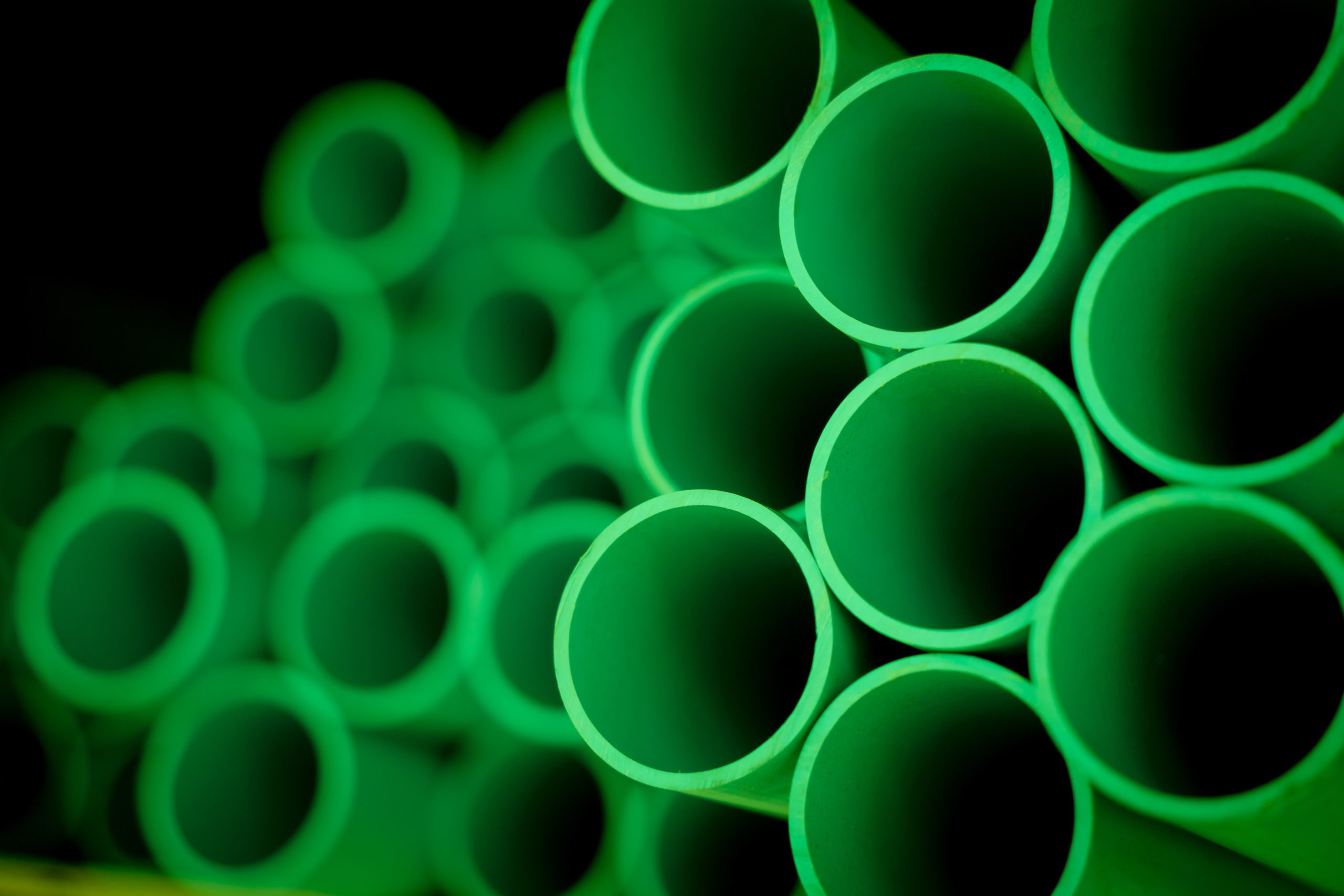
Singapore’s flexible pipe market is supported by its position as a major maritime, energy, and chemicals hub serving Southeast Asia. Flexible piping solutions are relevant across marine fuel systems, petrochemical facilities, natural gas infrastructure, offshore services, and specialized industrial applications. In 2025, Singapore recorded 3.22 billion gross tonnage of vessel arrivals and handled 56.77 million tonnes of marine fuel, highlighting the scale of its maritime ecosystem. Meanwhile, energy and chemicals contribute around 20% of national manufacturing output, creating a substantial base for advanced piping technologies.
Key Factors Driving Singapore’s Flexible Pipe Industry Growth
Maritime Activity Strengthens Demand for Flexible Piping Solutions
Singapore’s large maritime ecosystem creates opportunities for flexible pipes and hoses used in bunkering, shipyards, fuel transfer, maintenance, and offshore-support operations. The Port of Singapore handled a record 44.66 million TEUs and 3.22 billion gross tonnage of vessel arrivals in 2025. Marine fuel sales also reached 56.77 million tonnes, with alternative marine fuels rising to 1.95 million tonnes from 1.35 million tonnes a year earlier. As vessels adopt LNG, methanol, biofuels, and other lower-carbon fuels, suppliers may see stronger demand for specialized flexible piping capable of safely handling different fluids and operating conditions.
Energy and Chemicals Industry Creates Industrial Pipe Opportunities
Singapore remains one of Asia’s major energy and chemicals hubs. The sector contributes approximately 20% of the country’s manufacturing output, while more than 100 global companies operate on Jurong Island. Global chemicals companies have invested over S$60 billion in Singapore’s energy and chemicals ecosystem. Flexible pipes can serve specialized applications in refineries, chemical processing plants, storage terminals, utility systems, and fluid-transfer operations where corrosion resistance and installation flexibility are important.
Natural Gas Infrastructure Remains Critical to Energy Security
Natural gas continues to dominate Singapore’s power system, accounting for 93.1% of the electricity-generation fuel mix in the first half of 2025. This continuing dependence supports investment in gas import, storage, distribution, and power-generation infrastructure. Flexible piping suppliers may benefit from equipment upgrades, terminal connections, maintenance requirements, and specialized industrial gas-handling applications.
Government Initiatives Supporting Singapore’s Flexible Pipe Market
Singapore is strengthening both conventional and future energy infrastructure. The government established Singapore GasCo to centralize natural gas procurement and improve energy-security resilience. At the same time, around 300 hectares on Jurong Island have been allocated for next-generation energy infrastructure involving hydrogen, ammonia, sustainable aviation fuel, and advanced batteries. These initiatives could broaden demand for specialized, corrosion-resistant, and alternative-fuel-compatible piping systems.
Competitive Landscape of Singapore’s Flexible Pipe Industry
Singapore’s flexible pipe industry includes international pipe and hose manufacturers, marine engineering firms, oilfield equipment suppliers, EPC contractors, distributors, and industrial service companies. Competition focuses on chemical compatibility, pressure resistance, durability, safety certification, and technical support. Singapore is also home to more than 200 international shipping groups, giving suppliers access to a concentrated maritime customer base and regional distribution opportunities.
Challenges Affecting Singapore’s Flexible Pipe Market
High Specifications Raise Product Costs
Flexible pipes used for fuels, chemicals, and high-pressure applications require advanced polymers, reinforcement materials, testing, and certification. These requirements can raise costs and make price competition difficult for smaller suppliers.
Limited Domestic Market Scale
Singapore offers a sophisticated industrial ecosystem but has a relatively small domestic geography. Suppliers therefore need to combine local demand with regional exports, marine services, and Southeast Asian project opportunities to achieve scale.
Future Outlook
In the coming years, Singapore’s flexible pipe market will increasingly reflect the country’s transition from conventional fuels toward a more diverse maritime and industrial energy system. The opportunity is not simply about selling more pipe; it is about developing products that safely handle new fuels, chemicals, and demanding operating conditions. Jurong Island’s next-generation energy zone, covering roughly 300 hectares, alongside record maritime activity and growing alternative-fuel use, creates room for specialized piping solutions. Suppliers offering high-performance materials, strong certification capabilities, technical support, and regional distribution should be well positioned as Singapore’s energy and maritime infrastructure evolves.
Consultants at Nexdigm, in their latest publication “Singapore Flexible Pipe Market Outlook to 2035,” analyze the sector By Product Type (Bounded, Unbounded Flexible Pipes, Flexible Jumpers, Risers and Flowlines), By Application (Offshore Oil and Gas Production, Shale Oil and Gas Production, Mining Slurry Transportation and Chemical Transfer Systems).
Nexdigm suggests that businesses in the Singapore Flexible Pipe Industry should prioritize alternative-fuel-compatible piping, strengthen maritime and petrochemical partnerships, invest in advanced materials and certifications, and leverage Singapore as a regional hub for Southeast Asian energy infrastructure opportunities.
To take the next step, simply visit our Request a Consultation page and share your requirements with us.
Harsh Mittal
+91-8422857704