
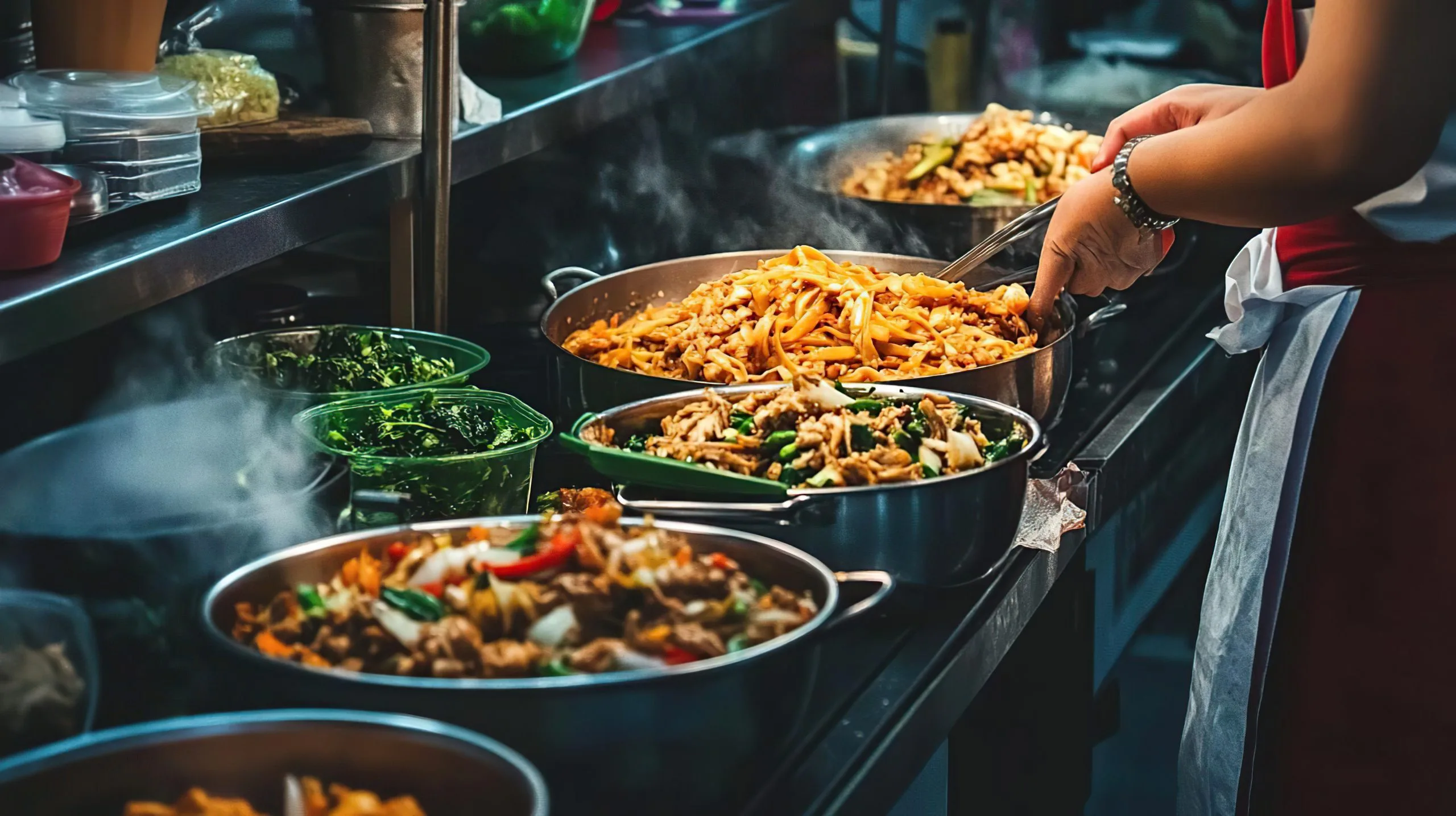
The Singapore foodservice market is expanding as consumers continue to value convenience, quality, variety, and reliable dining experiences. From hawker centers and cafés to quick-service restaurants, premium dining, cloud kitchens, and delivery platforms, the city-state offers a highly diverse food ecosystem. The market is estimated at USD 34.24 billion in 2026 and is projected to reach USD 79.73 billion by 2031. With strong digital adoption, multicultural food preferences, tourism recovery, and a mature dining culture, Singapore remains one of Asia’s most dynamic foodservice markets.
Key market drivers are strengthening Singapore’s foodservice demand
Digital ordering and delivery are reshaping dining convenience
Digital ordering has become a core part of Singapore’s foodservice market as consumers increasingly use apps, e-wallets, self-ordering kiosks, and delivery platforms. Delivery is forecast to grow at a 20.10% CAGR through 2031, supported by high smartphone penetration and a fast-paced urban lifestyle. Restaurants are using digital tools to improve order accuracy, manage peak demand, track customer preferences, and run loyalty campaigns. This shift is also supporting cloud kitchens and virtual food brands that can serve consumers without relying on expensive dine-in locations.
Quick-service restaurants are leading organized foodservice growth
Quick-service restaurants remain a major growth engine in Singapore, holding around 66.88% revenue share in 2025. Consumers are drawn to QSRs because they offer speed, consistency, affordability, and familiar menu options. The segment benefits from strong demand among office workers, students, families, tourists, and digitally active consumers. Operators are also introducing healthier meals, localized flavors, limited-time menu launches, and automated ordering systems to remain relevant. As competition rises, convenience and menu innovation are becoming important differentiators.
Tourism and multicultural dining are expanding foodservice opportunities
Singapore’s tourism recovery and multicultural consumer base continue to support restaurants, cafés, food courts, hotels, and premium dining outlets. Visitors are attracted to both local food culture and international dining concepts, while residents expect a wide range of cuisines and formats. This diversity allows operators to serve different consumer groups, from everyday value diners to premium experience seekers. Strong footfall in malls, business districts, airports, and tourist areas further supports foodservice demand.
Government support and initiatives are improving productivity and resilience
Government support is helping Singapore’s foodservice sector improve productivity, digital readiness, and long-term resilience. Enterprise Singapore’s Food Services Industry Digital Plan supports operators in adopting digital tools to streamline operations and improve productivity. The Singapore Food Agency also works with businesses to manage food safety and food security risks while supporting innovation in the agri-food sector. These efforts are important in a market where labour costs, rental costs, and supply chain resilience remain major business considerations.
Competitive landscape is becoming more digital and experience focused
Singapore’s foodservice market includes global QSR chains, domestic restaurant groups, hawker operators, cafés, cloud kitchens, food courts, hotels, and delivery platforms. Competition is intense because consumers have many dining options across price points and cuisines. Brands are investing in digital ordering, loyalty programs, automation, delivery partnerships, menu localization, and customer experience. Independent operators continue to compete through authenticity, local flavors, specialty menus, and personal service, while larger players focus on scale, efficiency, and consistent quality.
Market challenges continue to pressure operators
High operating costs are affecting margins
Foodservice operators in Singapore face high rental costs, labour expenses, utilities, ingredients, and delivery platform commissions. These pressures can make profitability challenging, especially for small restaurants and independent food businesses. Operators need strong cost control and efficient operations to stay competitive.
Labour constraints and competition increase operational pressure
The industry also faces labour shortages and strong competition for skilled kitchen and service staff. At the same time, consumers expect fast service, consistent quality, hygiene, and value. Businesses that fail to innovate or maintain service standards may struggle to retain repeat customers.
Future outlook
The future outlook for the Singapore foodservice market remains strong, supported by delivery growth, cloud kitchens, tourism, QSR expansion, and technology adoption. The market is forecast to reach USD 79.73 billion by 2031, reflecting significant long-term potential. Growth opportunities are expected across delivery-first brands, automated restaurants, premium dining, healthier menus, sustainable packaging, and localized cuisine formats. Businesses that invest in digital transformation, operational efficiency, food safety, and customer experience will be better positioned to capture future demand in Singapore’s evolving foodservice sector.
Consultants at Nexdigm, in their latest publication “Singapore foodservice market outlook to 2035,” analyze the sector By Service Type (Outlet Density, Average Ticket Size, Throughput Capacity), By Cuisine Type (Menu Diversity, Consumer Preference Index, Average Spend Per Visit)
Nexdigm suggests that businesses in the Singapore foodservice market should focus on digital ordering, delivery optimization, and automation to improve convenience, speed, and operational efficiency.
To take the next step, simply visit our Request a Consultation page and share your requirements with us.
Harsh Mittal
+91-8422857704