
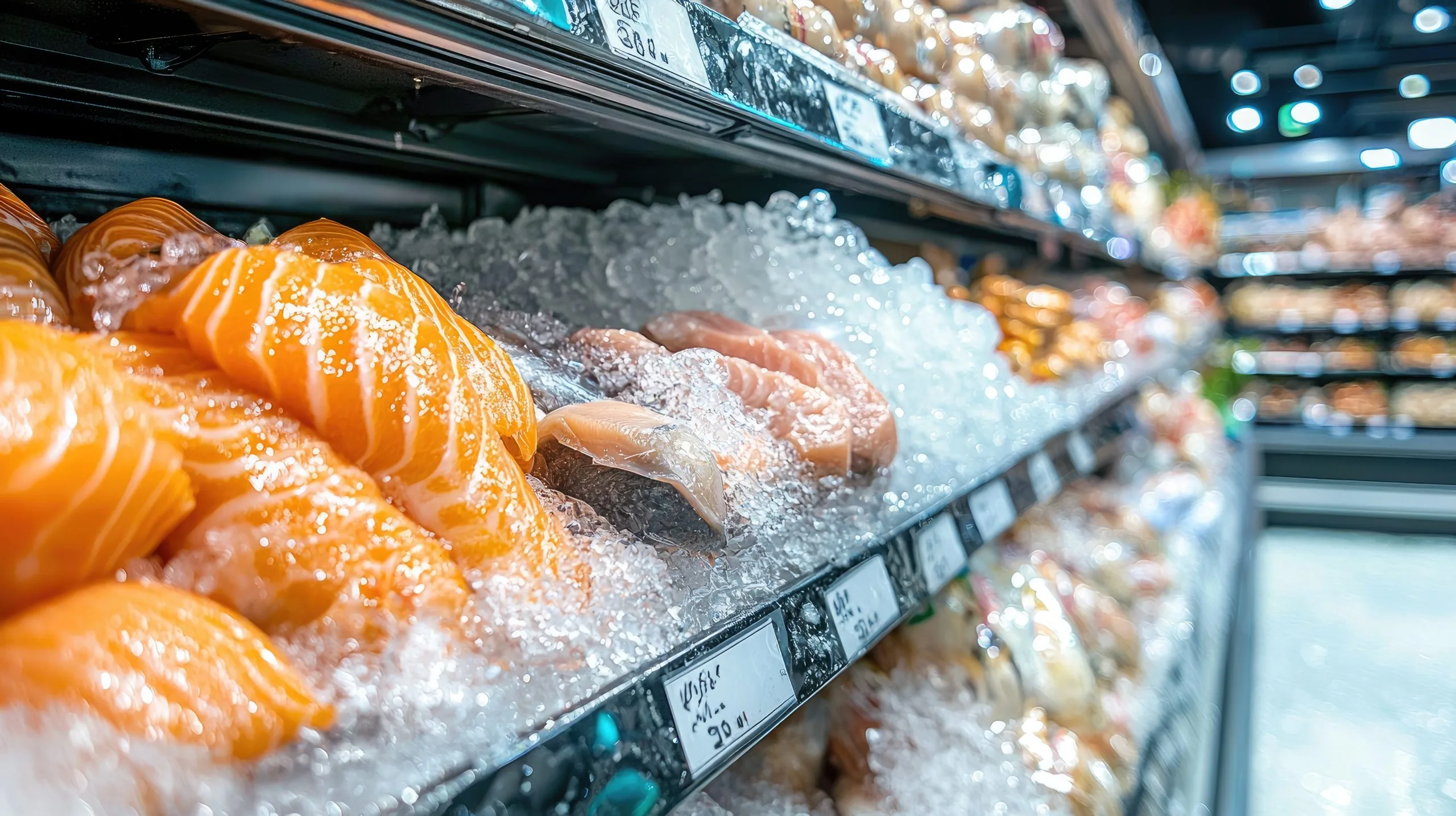
The Singapore frozen seafood market is gaining importance as households, supermarkets, restaurants, hotels, and foodservice operators rely on imported seafood to meet daily demand. With Singapore importing more than 90% of its food and sourcing products from 187 countries and regions, frozen seafood plays a key role in supply stability. The market is supported by demand for frozen salmon, prawns, scallops, crab, lobster, squid, cod, and ready-to-cook seafood products. As consumers seek convenience, quality, and protein-rich meals, frozen seafood is becoming a practical choice across retail and foodservice channels.
Key Drivers Accelerating the Singapore Frozen Seafood market
Consumers Are Choosing Convenient and High-Quality Seafood Options
Frozen seafood is becoming popular among Singapore consumers because it offers convenience, longer shelf life, and consistent availability. Busy households prefer products that are easy to store, portion, and cook without frequent wet market visits. Frozen prawns, fish fillets, scallops, squid, and crab products are widely used in home cooking, hotpot meals, stir-fries, soups, and festive dishes. Premium seafood products such as salmon, lobster, and scallops are also gaining traction among consumers who want restaurant-style meals at home.
Foodservice and Hospitality Channels Are Strengthening Demand
Singapore’s restaurants, hotels, cafés, catering firms, and quick-service food operators depend on frozen seafood for menu consistency and cost control. Frozen products help businesses manage inventory, reduce wastage, and maintain steady supply despite seasonal or import-related fluctuations. Foodservice demand is particularly strong for frozen fish fillets, prawns, squid, crab meat, surimi, and value-added seafood products. As dining-out culture, tourism, and premium seafood menus expand, commercial demand for reliable frozen seafood supply is expected to remain strong.
Cold Chain and Modern Retail Are Improving Product Access
Supermarkets, online grocery platforms, specialty seafood stores, and convenience-led retail formats are making frozen seafood more accessible. Better packaging, traceability, and cold-chain handling are improving consumer confidence in frozen seafood quality.
Government Support is Strengthening Food Security and Import Diversification
Government support is mainly linked to food security, import diversification, food safety, and cold-chain resilience. Singapore’s strategy of sourcing food from a wide network of countries helps reduce dependence on any single supplier. Authorities also maintain strict food safety checks, import controls, and quality standards for seafood products. Broader initiatives supporting local aquaculture, agri-food technology, and supply-chain resilience can indirectly support the frozen seafood market by improving availability, traceability, and consumer trust.
Competitive Landscape is Shaped by Quality, Imports, and Cold Chain Reach
The Singapore frozen seafood market includes seafood importers, distributors, supermarkets, specialty retailers, online grocery platforms, foodservice suppliers, and international seafood brands. Competition is shaped by product quality, origin, price, packaging, species variety, sustainability claims, and cold-chain reliability. Suppliers offering premium products such as salmon, scallops, lobster, crab, and prawns compete alongside affordable fish fillets and ready-to-cook seafood. Businesses with reliable sourcing, strong storage systems, and consistent delivery capabilities are better positioned in the market.
Market Challenges in the Singapore Frozen Seafood Market
Import Dependence Creates Supply and Price Risks
Singapore’s reliance on imported food makes the frozen seafood market sensitive to freight costs, currency movements, supplier disruptions, and changing global seafood prices. Any supply-chain disruption can affect availability and pricing across retail and foodservice channels.
Cold Chain Quality Requires Continuous Investment
Frozen seafood requires reliable cold storage, temperature monitoring, and careful handling from import to final sale. Weak handling, packaging damage, or temperature fluctuations can affect product quality. Maintaining strong cold-chain systems remains essential for consumer confidence.
Future Outlook
The Singapore frozen seafood market is expected to grow steadily as consumers and foodservice operators continue to value convenience, quality, and reliable supply. Future opportunities will likely emerge in premium frozen seafood, sustainably sourced products, ready-to-cook seafood packs, portion-controlled fillets, and online seafood delivery. Stronger traceability, better packaging, and transparent origin claims will become more important for consumer trust. Businesses that combine reliable sourcing, cold-chain efficiency, product variety, and retail-foodservice partnerships are likely to capture stronger long-term opportunities.
Consultants at Nexdigm, in their latest publication “Singapore frozen seafood market outlook to 2035,” analyze the sector by By Product Type (Frozen Mackerel, Frozen Herring, Frozen Horse Mackerel), By Distribution Channel (Open Markets, Cold-Room Wholesalers, Supermarkets)
Nexdigm suggests that businesses should prioritize reliable import sourcing, cold-chain efficiency, premium and ready-to-cook seafood formats, and stronger retail-foodservice partnerships to capture growth in Singapore’s frozen seafood market.
To take the next step, simply visit our Request a Consultation page and share your requirements with us.
Harsh Mittal
+91-8422857704