
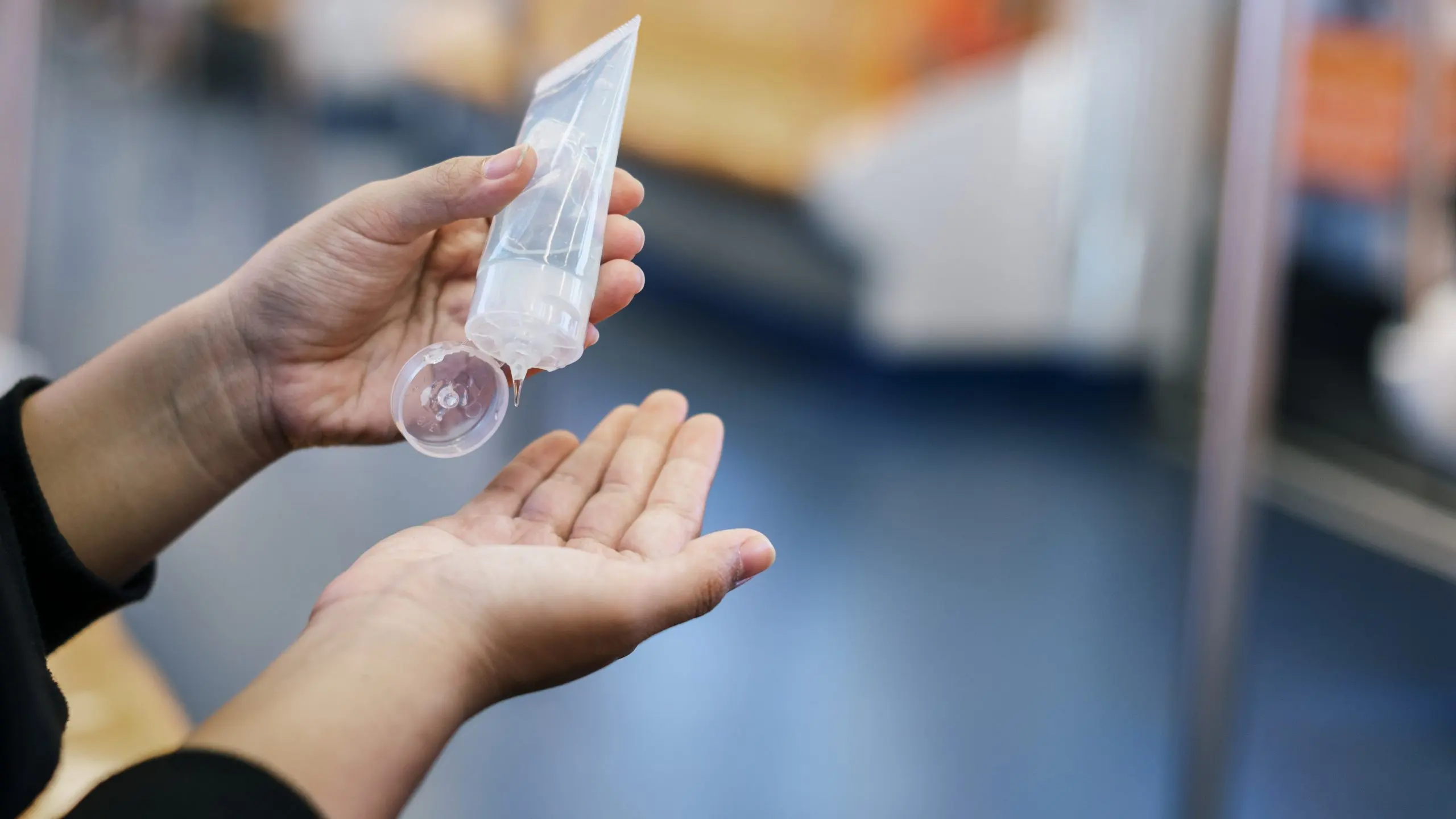
The Singapore hand sanitizer market is expected to grow steadily supported by strong public health awareness, high urbanization, healthcare standards, tourism recovery, and demand from workplaces, schools, malls, and transport hubs. The market is projected to grow at a CAGR of 5.45%, reflecting continued sanitizer usage beyond pandemic-led demand. Singapore’s population reached around 6 million indicating strong purchasing power for quality hygiene and personal care products. Hand sanitizers are now becoming a regular part of daily hygiene routines across both consumer and institutional settings. This shift shows that sanitizer use is becoming less seasonal and more connected to daily mobility, work, and public-space hygiene.
Factors Driving Hand Sanitizer Demand in Singapore’s Market
Public Health Awareness Keeps Hygiene Habits Strong
Singapore’s strong public health culture continues to support demand for hand sanitizers. Consumers are familiar with hygiene practices in shared spaces such as offices, schools, public transport, malls, food courts, and healthcare facilities. This creates steady use of sanitizers in both personal and institutional settings. Healthcare facilities remain one of the most important demand contributors. Singapore’s current healthcare expenditure stood at the top, showing the scale of healthcare activity and the continued importance of infection-control products. Hospitals, clinics, eldercare centers, diagnostic facilities, and pharmacies are expected to maintain regular sanitizer usage as part of wider hygiene and patient-safety practices. As Singapore’s population ages, healthcare-linked sanitizer demand is likely to remain an important part of the market.
Urban Lifestyles and Busy Public Spaces Support Daily Use
Singapore’s dense urban environment makes hand hygiene especially relevant. Offices, MRT stations, airports, shopping malls, restaurants, hotels, schools, gyms, and commercial buildings continue to encourage sanitizer use because of high daily footfall. Compact city living and frequent use of shared facilities help convert hand sanitizer from an emergency product into an everyday hygiene item. Tourism also supports institutional demand. Singapore recorded tourism receipts reaching the upper bound of the country’s forecast. This supports sanitizer consumption across hotels, airports, attractions, restaurants, retail outlets, and event spaces. As travel and events continue to recover, hygiene products are expected to remain part of the guest and visitor experience.
Consumers Prefer Convenient and Skin-Friendly Sanitizers
Singapore consumers are increasingly choosing sanitizers that are easy to carry, quick-drying, non-sticky, and gentle on skin. Demand is rising for pocket-sized bottles, spray formats, gel sanitizers, moisturizing variants, fragrance-based products, and premium formulations. These products are especially popular among office workers, students, travelers, families, and frequent public transport users. Modern retail and e-commerce channels are also improving product access. Pharmacies, supermarkets, convenience stores, online platforms, and institutional distributors are helping brands reach both individual consumers and bulk buyers. Multipacks, refill packs, travel-size formats, and premium skin-care sanitizers are expected to support repeat purchases. Consumers are also becoming more selective, choosing products that combine hygiene protection with comfort and better packaging.
Government Support boosting Singapore’s Hand Sanitizer Market
Singapore’s emphasis on public health, workplace safety, food hygiene, and healthcare quality continues to support sanitizer use across institutional settings. Hospitals, schools, restaurants, offices, and public facilities are expected to maintain hygiene practices that include hand sanitizers and handwashing access. Government-led public health communication has also made consumers more aware of personal hygiene and infection prevention. This wider hygiene culture supports consistent sanitizer adoption, especially in high-contact environments. As hygiene expectations remain high, sanitizer availability is likely to stay common across public and commercial spaces.
Competitive Landscape of the Singapore Hand Sanitizer Market
The Singapore hand sanitizer market includes multinational personal care companies, pharmaceutical brands, local hygiene product manufacturers, private-label products, and imported brands. Competition is shaped by alcohol concentration, product quality, skin-care benefits, fragrance, packaging size, pricing, and distribution reach. Premium brands often focus on trusted formulations and skin-friendly positioning, while private-label and mass-market brands compete on affordability and accessibility. Pharmacies, supermarkets, convenience stores, e-commerce platforms, and institutional suppliers remain key sales channels. Brands that balance safety, skin comfort, and convenient formats are likely to build stronger repeat demand.
Challenges facing the Singapore Hand Sanitizer Market
Market Maturity Makes Differentiation Difficult
Singapore is a mature and highly competitive hygiene market, making it difficult for brands to stand out. Many products offer similar alcohol-based claims, which creates price pressure across pharmacies, supermarkets, online stores, and institutional procurement. To protect margins, companies need to highlight moisturizing ingredients, trusted safety claims, convenient packaging, fragrance options, and suitability for frequent daily use. Clear product positioning will be important as consumers compare multiple brands across the same retail shelves and online platforms.
Demand Is Moving from Emergency Buying to Routine Use
The sharp pandemic-led demand spike has eased, and sanitizer demand is now shifting toward regular everyday consumption. This means brands can no longer depend on panic buying or short-term health concerns. Companies must focus on repeat purchases, product quality, refill formats, premium variants, and stronger brand loyalty to sustain long-term growth. Everyday relevance will be key, especially as consumers buy sanitizers alongside other personal care and household hygiene products.
Future Outlook
Looking ahead, the Singapore hand sanitizer market is expected to become a mature but stable hygiene and personal care category. Growth will be supported by healthcare standards, public hygiene awareness, tourism activity, workplace hygiene practices, school usage, and consumer preference for convenient hygiene products. Demand is likely to remain strong across hospitals, pharmacies, schools, offices, hotels, malls, transport hubs, airports, and households. Brands offering effective, alcohol-based, skin-friendly, portable, and premium sanitizers are expected to gain stronger market share. Long-term opportunities will also emerge in refill packs, institutional supply, travel-size formats, and e-commerce-led distribution. As hygiene remains part of Singapore’s urban lifestyle, sanitizer brands that offer both trust and usability will be better positioned for sustained growth.
Consultants at Nexdigm, in their latest publication Singapore Hand Sanitizer Market Outlook to 2035,” analyzed the market by Product Type (Gel bases, Spray Based, Wipes and Foam based Hand Sanitizers), by Application based (Healthcare, Retail and Consumer Use, Corporate and Industrial Use, Hospitality Services Use).
Nexdigm believes businesses in the hand sanitizer industry must focus on product differentiation, quality assurance, and wider distribution to stay competitive in the evolving market. As demand shifts from emergency-led buying to routine hygiene use, companies need to offer sanitizers that are effective, skin-friendly, convenient, and suitable for both consumer and institutional use.
To take the next step, simply visit our Request a Consultation page and share your requirements with us.
Harsh Mittal
+91-8422857704