
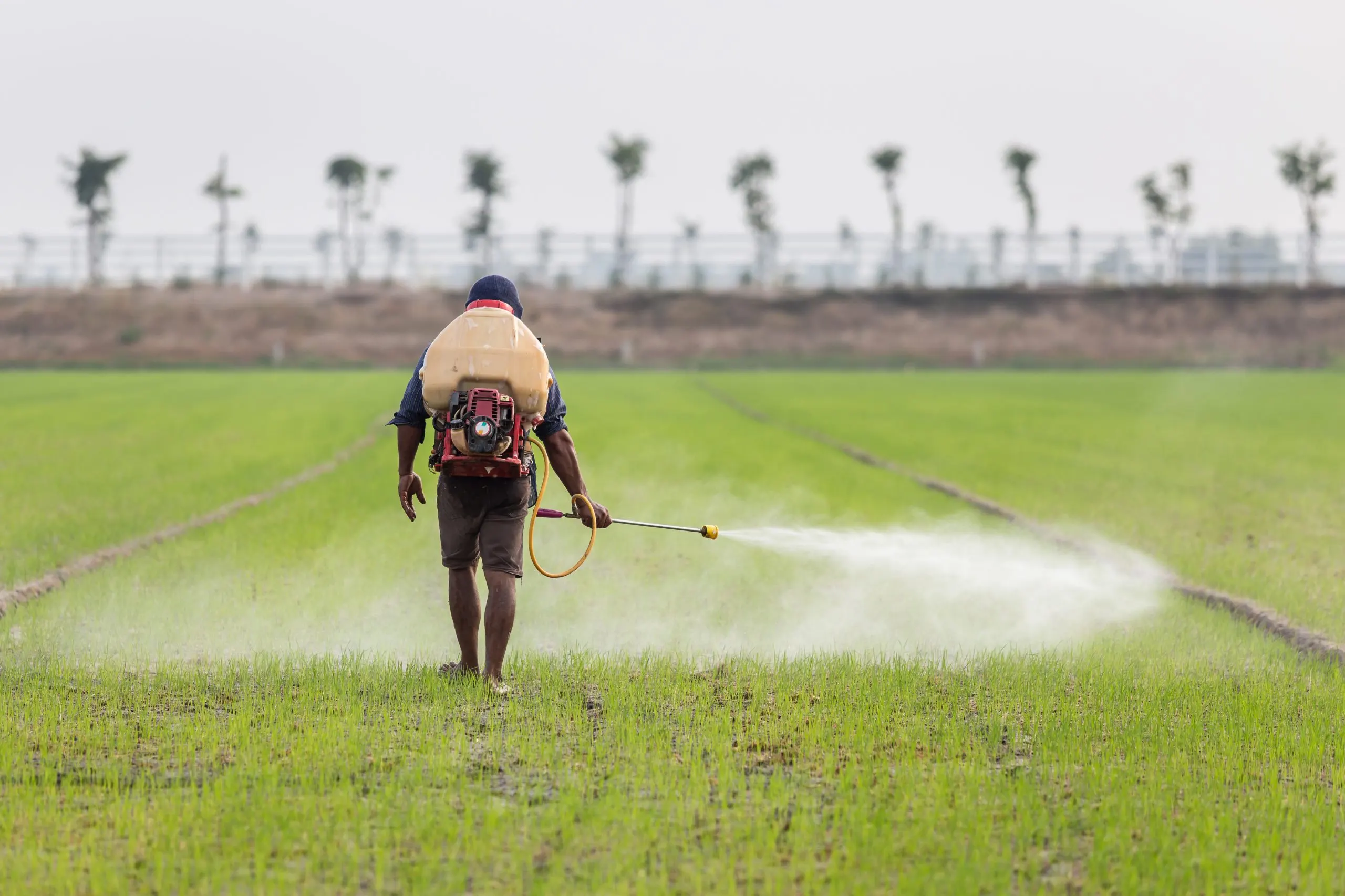
Singapore may have limited agricultural land compared to its regional counterparts, but the demand for herbicides remains strong due to the country’s extensive urban greenery, infrastructure maintenance activities, and growing focus on food security. Herbicides are widely used across parks, industrial estates, roadsides, utility corridors, and controlled-environment farms to manage weeds effectively and maintain productivity. The market is benefiting from Singapore’s commitment to sustainable urban development and advanced farming practices. With herbicide demand supported by both landscaping and agriculture, the Singapore herbicide market is expected to expand steadily, with growth estimated at around 7.8% over the coming years. As Singapore continues to balance urbanization with environmental sustainability, herbicide solutions are becoming increasingly important for maintaining clean, safe, and productive green spaces across the country.
What Is Driving Growth in the Singapore Herbicide Market?
Expanding Urban Green Infrastructure
One of the primary growth drivers is Singapore’s continuous investment in urban greenery and landscape management. The country has developed an extensive network of parks and green corridors, including more than 391 kilometers of park connector networks, creating a substantial requirement for vegetation control products. Regular maintenance of public parks, residential landscapes, transportation corridors, and industrial zones requires effective weed management solutions. As green infrastructure projects continue to expand, demand for herbicides is expected to remain stable and consistent. The need to maintain both aesthetics and public safety further strengthens market growth.
Increased Focus on Food Security and Agricultural Efficiency
Singapore’s efforts to strengthen domestic food production have encouraged the adoption of modern farming methods, including vertical farming and controlled-environment agriculture. Vegetable farm productivity has increased from approximately 227.2 tonnes per hectare to 231.4 tonnes per hectare, reflecting the country’s focus on maximizing agricultural output from limited land resources. With growers increasingly seeking higher yields and better resource efficiency, herbicides play a critical role in minimizing weed competition and supporting healthy crop growth. This trend is expected to drive demand for advanced and targeted weed-control products.
Strong Preference for Effective Weed-Control Solutions
Non-selective herbicides continue to dominate the market because they provide broad-spectrum weed control across various applications, including roadsides, industrial facilities, drainage systems, and public spaces. Products based on glyphosate and glufosinate remain widely used by landscaping professionals and maintenance contractors due to their operational efficiency. At the same time, growing awareness of sustainability is encouraging interest in bio-based and environmentally friendly herbicide products. Manufacturers that can combine effectiveness with environmental responsibility are likely to gain a competitive advantage.
Government Initiatives Are Supporting the Singapore Herbicide Market
Government programs focused on food resilience, agricultural innovation, and urban sustainability continue to create favorable conditions for the herbicide market. Singapore’s investment in smart farming technologies and controlled-environment agriculture supports the need for efficient crop protection solutions. In addition, ongoing investments in public parks, green corridors, and city beautification projects increase the demand for vegetation management products. These initiatives not only improve environmental quality but also generate long-term opportunities for herbicide suppliers operating in the market.
Competitive Dynamics Within the Singapore Herbicide Market
The Singapore herbicide market is characterized by the presence of leading multinational agrochemical companies, regional suppliers, and specialized crop protection distributors. Companies compete through product innovation, sustainability-focused solutions, regulatory compliance, and strong customer relationships. Many market participants are investing in research and development to introduce safer formulations and improve application efficiency. Strategic partnerships with agricultural operators, landscaping contractors, and public-sector organizations also help strengthen market positions and expand customer reach.
Key Challenges Facing the Singapore Herbicide Market
Strict Environmental and Regulatory Requirements
Singapore maintains rigorous environmental and chemical safety regulations. Herbicide manufacturers must comply with strict product registration and usage requirements before introducing products into the market. These regulatory standards help ensure environmental protection but can increase operating and compliance costs.
Limited Agricultural Land Availability
The country’s relatively small agricultural sector naturally limits herbicide consumption compared to large farming nations. While landscaping and infrastructure maintenance provide significant demand, the limited availability of farmland can restrict overall market expansion. Nevertheless, innovation in urban farming and specialty applications continues to create new growth avenues for market participants.
Future Outlook
The future of the Singapore herbicide market remains positive, supported by increasing investments in urban greenery, advanced agriculture, and sustainable vegetation management. The broader crop protection products market in Singapore was valued at approximately USD 328.55 million and is projected to reach USD 413.10 million, highlighting steady long-term growth opportunities across the sector. As sustainability becomes a greater priority, demand for bio-based herbicides and precision application technologies is expected to increase. Companies that focus on innovative, environmentally responsible, and highly effective weed-management solutions will be well-positioned to capitalize on the market’s evolving needs and future growth opportunities.
Consultants at Nexdigm, in their latest publication “Singapore Herbicide Market Outlook to 2035,” analyze the sector By By Herbicide Type (Non-Selective Herbicides, Selective Herbicides, Pre-Emergence Herbicides, Post-Emergence Herbicides), By End User (Landscape Contractors, Government and Statutory Bodies, Commercial Farms and Nurseries, Golf Courses and Turf Managers).
Nexdigm suggests that businesses should prioritize sustainable and bio-based herbicide solutions, strengthen partnerships with urban landscaping and infrastructure maintenance operators, and invest in precision weed-management technologies to capitalize on the growing demand driven by Singapore’s expanding green spaces, food security initiatives, and environmental sustainability goals.
To take the next step, simply visit our Request a Consultation page and share your requirements with us.
Harsh Mittal
+91-8422857704