
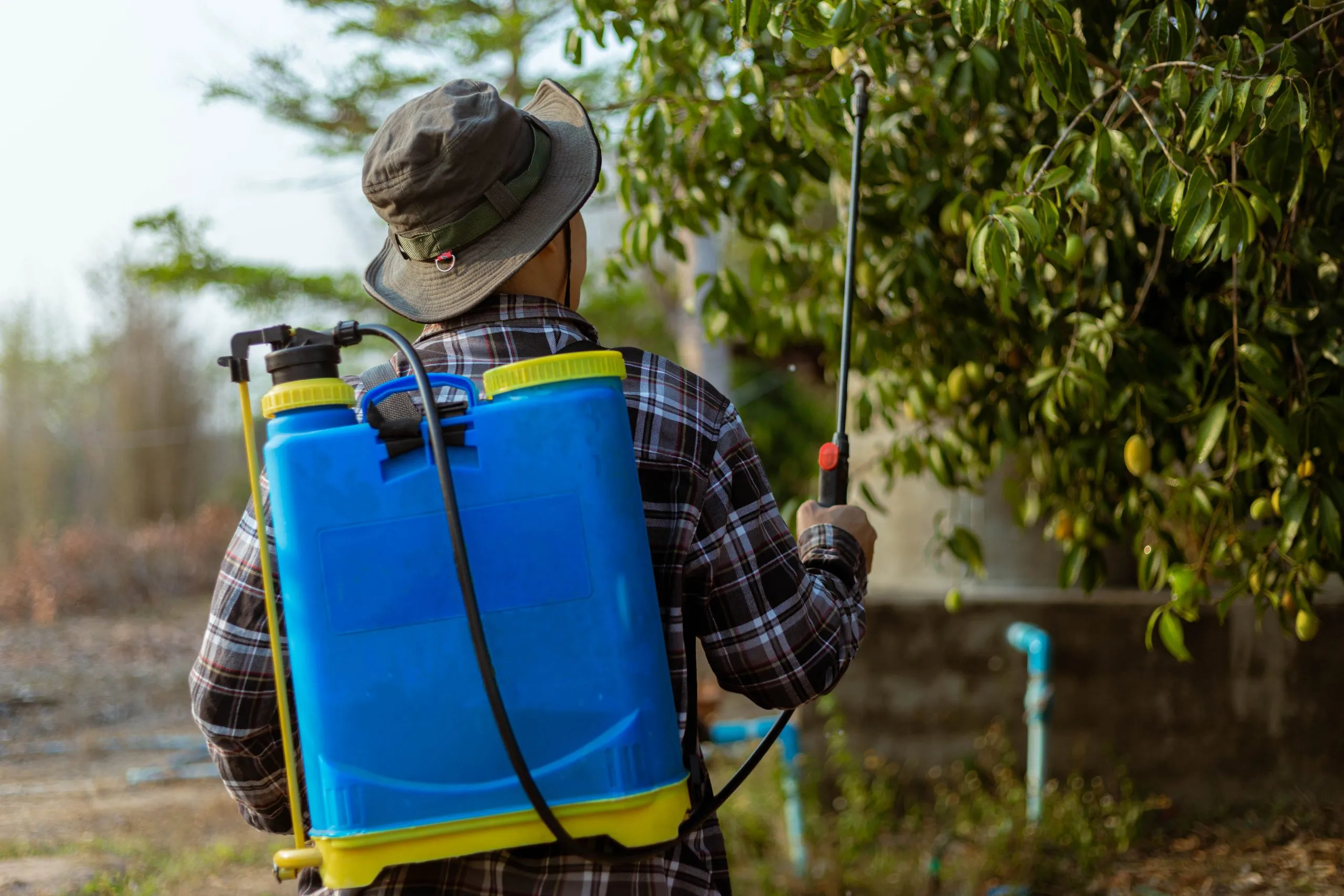
The Singapore insecticide market is expanding as households, facility managers, food businesses, public health agencies, and urban agriculture operators seek reliable solutions to manage pest risks in a dense tropical environment. Insecticides are used to control mosquitoes, cockroaches, termites, ants, flies, bedbugs, and pests affecting gardens, green spaces, and controlled farming systems. The Asia-Pacific insecticide market is expected to grow from USD 6.62 billion in 2025 to USD 8.41 billion by 2031, at 4.06% CAGR. In Singapore, demand is strongly shaped by hygiene, public health, food safety, and preventive pest management.
Key market drivers are strengthening insecticide demand in Singapore
Urban density and tropical weather are increasing pest control needs
Singapore’s compact urban landscape, high-rise housing, commercial buildings, food outlets, transport hubs, hotels, warehouses, and public spaces create steady demand for insect control solutions. The country’s warm and humid climate can support pest activity throughout the year, making preventive pest management important for both households and businesses. Mosquitoes, cockroaches, ants, termites, flies, and bedbugs can affect hygiene, comfort, building maintenance, and customer experience. As consumers and businesses become more hygiene conscious, demand is rising for safe, targeted, and professionally applied insecticide solutions.
Public health and food safety requirements are supporting professional usage
Public health needs are a key driver of Singapore’s insecticide market, particularly in mosquito control and dengue prevention. Food service businesses, supermarkets, hotels, hospitals, schools, and manufacturing facilities must also maintain strong hygiene standards. This supports demand for professional pest control services, approved insecticide products, routine inspections, and monitoring-based treatment programs. The Asia-Pacific pest control market was valued at USD 5.15 billion in 2025 and is projected to reach USD 8.85 billion by 2034, growing at 6.2% CAGR, reflecting broader regional demand for structured pest control services.
Urban farming and green spaces are widening applications
Singapore’s interest in urban farming, vertical farming, landscaping, and green buildings is creating niche demand for plant-safe and controlled-use pest management products. These applications require careful product selection and responsible use.
Government regulations and public health programs are shaping market growth
Government priorities related to dengue prevention, public sanitation, food safety, building hygiene, and environmental protection strongly influence Singapore’s insecticide market. Public health campaigns, mosquito surveillance, vector-control programs, and regular inspections encourage responsible pest control adoption. Product registration, labeling rules, workplace safety requirements, and environmental guidelines also shape how insecticides are imported, sold, and applied. While strict compliance increases operating discipline for suppliers and service providers, it also supports safer pest control practices and higher trust among households, businesses, and public institutions.
Competitive landscape is becoming more service led and technology focused
The Singapore insecticide market includes professional pest control companies, household insecticide brands, facility management firms, approved product distributors, hygiene service providers, and suppliers serving landscaping and urban farming needs. Competition is shaped by product safety, service reliability, treatment effectiveness, regulatory compliance, technician training, digital monitoring, and customer response time. Many businesses prefer service-led pest control models rather than one-time product purchases. Companies that combine approved insecticide products with inspection, prevention, reporting, and digital pest monitoring can build stronger customer retention.
Market challenges continue to affect safe and effective pest control
Resistance and recurring infestations require smarter treatment
Repeated use of similar insecticide products can reduce effectiveness over time. Recurring pest issues in dense buildings require better monitoring, rotation strategies, sanitation support, and integrated pest management.
Safety expectations can limit product choices
Singapore’s safety-conscious market requires careful use of insecticides around homes, food areas, schools, hospitals, and workplaces. This increases demand for trained application and compliant products.
Future outlook
The future outlook for the Singapore insecticide market remains positive, supported by urban density, public health priorities, food safety requirements, hospitality demand, facility management growth, and digital pest control adoption. Opportunities are expected across mosquito-control products, termite solutions, professional pest services, biological insecticides, low-odor household products, digital monitoring, and integrated pest management programs. As regional insecticide and pest control demand continues to grow, businesses in Singapore that combine compliance, safety, technology, service quality, and sustainability will be better positioned to capture long-term growth.
Consultants at Nexdigm, in their latest publication “Singapore insecticide market outlook to 2035,” analyze the sector By Product Category (Pyrethroids, Neonicotinoids, Organophosphates, Carbamates), By Application Sector (Row Crops , Fruits and Vegetables, Specialty Crops)
Nexdigm suggests that businesses in the Singapore insecticide market should focus on safe, compliant, and targeted pest control solutions that support public health, food safety, facility management, and urban hygiene needs.
To take the next step, simply visit our Request a Consultation page and share your requirements with us.
Harsh Mittal
+91-8422857704