
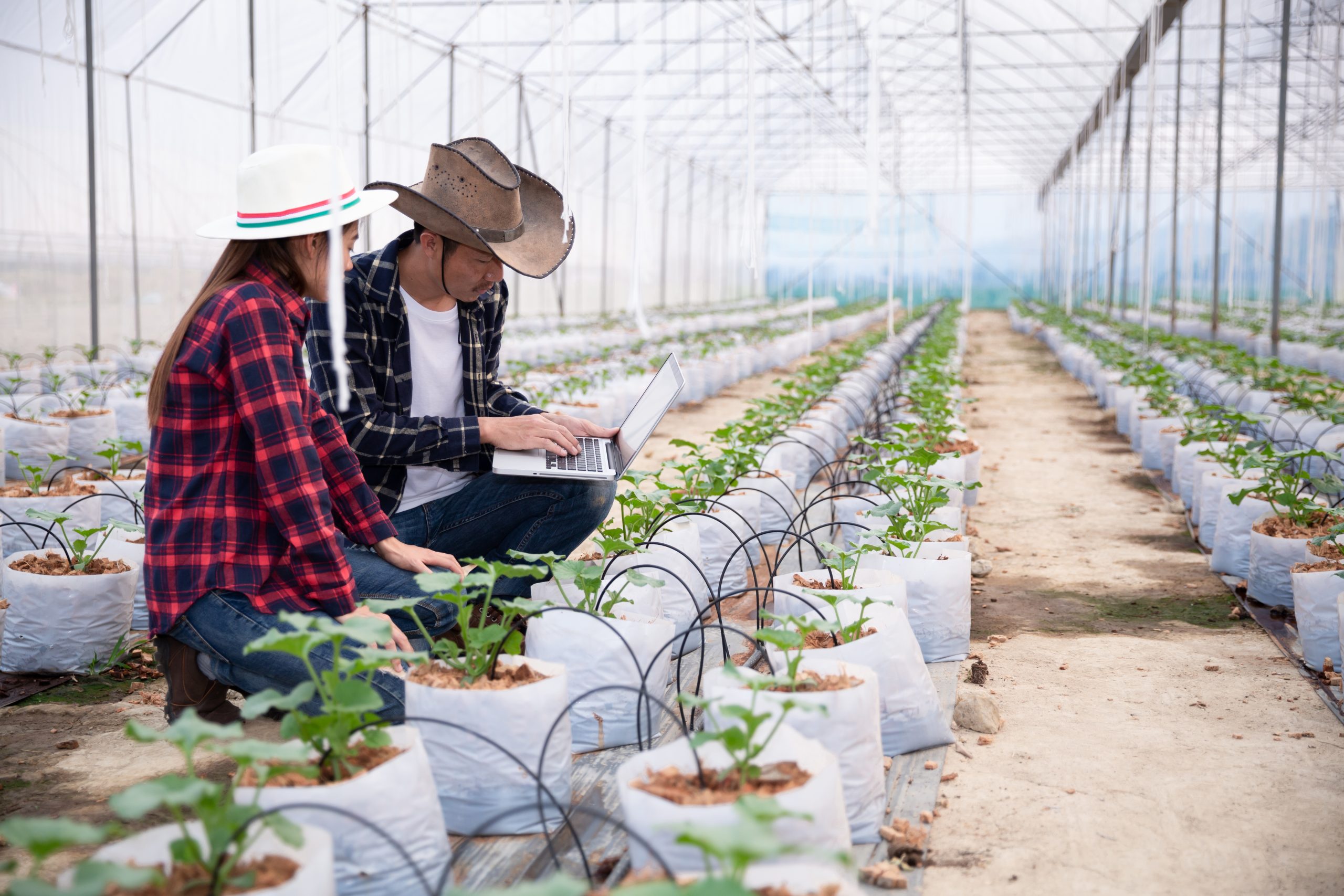
The Singapore micro irrigation systems market is gaining attention, driven by increasing water conservation requirements, agricultural innovation, and rising adoption of precision farming technologies. According to Singapore’s national water agency PUB, the country consumes approximately 440 million gallons of water daily, with total demand projected to nearly double by 2065. Expanding urban farming initiatives, greenhouse cultivation, and investments in resource-efficient agriculture are creating opportunities for advanced irrigation solutions. Manufacturers are focusing on automated drip irrigation, micro-sprinkler technologies, smart sensors, and precision water management systems to improve productivity while reducing water consumption.
Key Market Drivers of Singapore Micro Irrigation Systems Market
Increasing Water Conservation Requirements and Resource Efficiency
Growing concerns regarding limited freshwater resources, increasing water demand, and climate variability are influencing the adoption of efficient irrigation technologies across Singapore. Agricultural operators and landscaping businesses are exploring drip irrigation and micro-sprinkler systems to optimize water distribution, minimize wastage, and improve operational efficiency.
Expanding Urban Farming and Agricultural Modernization
Urban agriculture, greenhouse cultivation, nurseries, and controlled-environment farming represent important potential demand centers for micro irrigation systems. Automated irrigation technologies enable precise water delivery, reduce manual intervention, and support consistent crop productivity. According to the Singapore Food Agency (SFA), the country had 102 licensed vegetable farms in 2025. Additionally, Singapore’s vegetable farm productivity increased from 227.2 tonnes per hectare annually in 2023 to 231.4 tonnes in 2024. Increasing investments in advanced farming systems and resource-efficient production technologies are creating opportunities for precision irrigation equipment suppliers.
Rising Adoption of Smart and Automated Irrigation Technologies
Agricultural businesses are increasingly exploring smart irrigation systems incorporating soil moisture sensors, automated controllers, precision fertigation, and Internet of Things (IoT)-enabled monitoring technologies. These solutions enable farmers to monitor irrigation schedules, improve nutrient delivery, and optimize water consumption. Innovations in compact drip irrigation systems and automated water distribution technologies are particularly relevant to Singapore’s space-constrained agricultural operations, creating opportunities for specialized irrigation manufacturers and agricultural technology providers.
Government Support towards Singapore Micro Irrigation Systems Market
The Singapore government supports agricultural technology adoption through the Agri-Food Cluster Transformation (ACT) Fund, administered by the Singapore Food Agency. Introduced with S$60 million in funding, the program encourages farms to adopt advanced equipment and resource-efficient production systems. In 2026, the government announced an additional S$70 million over five years under ACT Fund 2 to strengthen local agricultural capabilities. These initiatives support automation, farming innovation, and technology partnerships, creating potential opportunities for precision irrigation solution providers.
Competitive Landscape of Singapore Micro Irrigation Systems Market
The Singapore micro irrigation systems market offers opportunities for international irrigation technology companies, regional equipment distributors, and local agricultural technology integrators competing through product innovation, water-use efficiency, and technical expertise. Relevant global irrigation solution providers include Netafim, Rain Bird Corporation, Hunter Industries, Rivulis, Jain Irrigation Systems, and The Toro Company. Competitive differentiation focuses on automated drip irrigation, smart controllers, precision fertigation, and compact irrigation solutions. Distribution partnerships, technical support capabilities, and integration with greenhouse technologies are important factors influencing supplier competitiveness.
Market Challenges of Singapore Micro Irrigation Systems Market
Limited Agricultural Land and High Installation Costs
Micro irrigation adoption faces challenges associated with Singapore’s limited agricultural land and high infrastructure costs. According to the Singapore Department of Statistics, approximately 1% of the country’s land area is used for agriculture. Equipment installation, automation, and system integration expenses can restrict adoption among smaller agricultural businesses.
Technical Complexity and Maintenance Requirements
Advanced irrigation systems require skilled installation, regular maintenance, and reliable monitoring equipment. Emitter clogging, filtration requirements, and dependence on imported components can increase operational expenses. Competition from hydroponic and other controlled-environment cultivation systems may also limit demand for conventional micro irrigation applications.
Future Outlook
The Singapore micro irrigation systems market is expected to develop through 2035, supported by water conservation priorities, agricultural modernization, and increasing adoption of smart farming technologies. The government’s S$70 million ACT Fund 2 initiative provides additional support for agricultural innovation and productivity improvements. Future opportunities will focus on automated drip irrigation, precision fertigation, IoT-enabled monitoring, greenhouse irrigation, and integrated water management solutions. However, Singapore’s limited agricultural land may constrain large-scale deployment. Companies prioritizing compact system designs, technological innovation, cost efficiency, and strategic partnerships are likely to strengthen their competitive positioning across urban agriculture and landscaping applications.
Consultants at Nexdigm, in their latest publication “Singapore Micro Irrigation Systems Market Outlook to 2035,” analyze the sector By System Type (Drip Irrigation System, Surface Drip Irrigation System, Inline Drip System, Bubbler Irrigation System), By Application Type (Agricultural Crops, Raw Crops, Fruits and Orchards, Vegetable and Horticulture Crops, Municipal Green Spaces)
Nexdigm suggests that businesses in the Singapore micro irrigation systems market should prioritize smart irrigation technologies, efficient water management, strategic partnerships, and affordable automation solutions to capitalize on agricultural innovation, government initiatives, and growing demand for sustainable farming practices.
To take the next step, simply visit our Request a Consultation page and share your requirements with us.
Harsh Mittal
+91-8422857704