
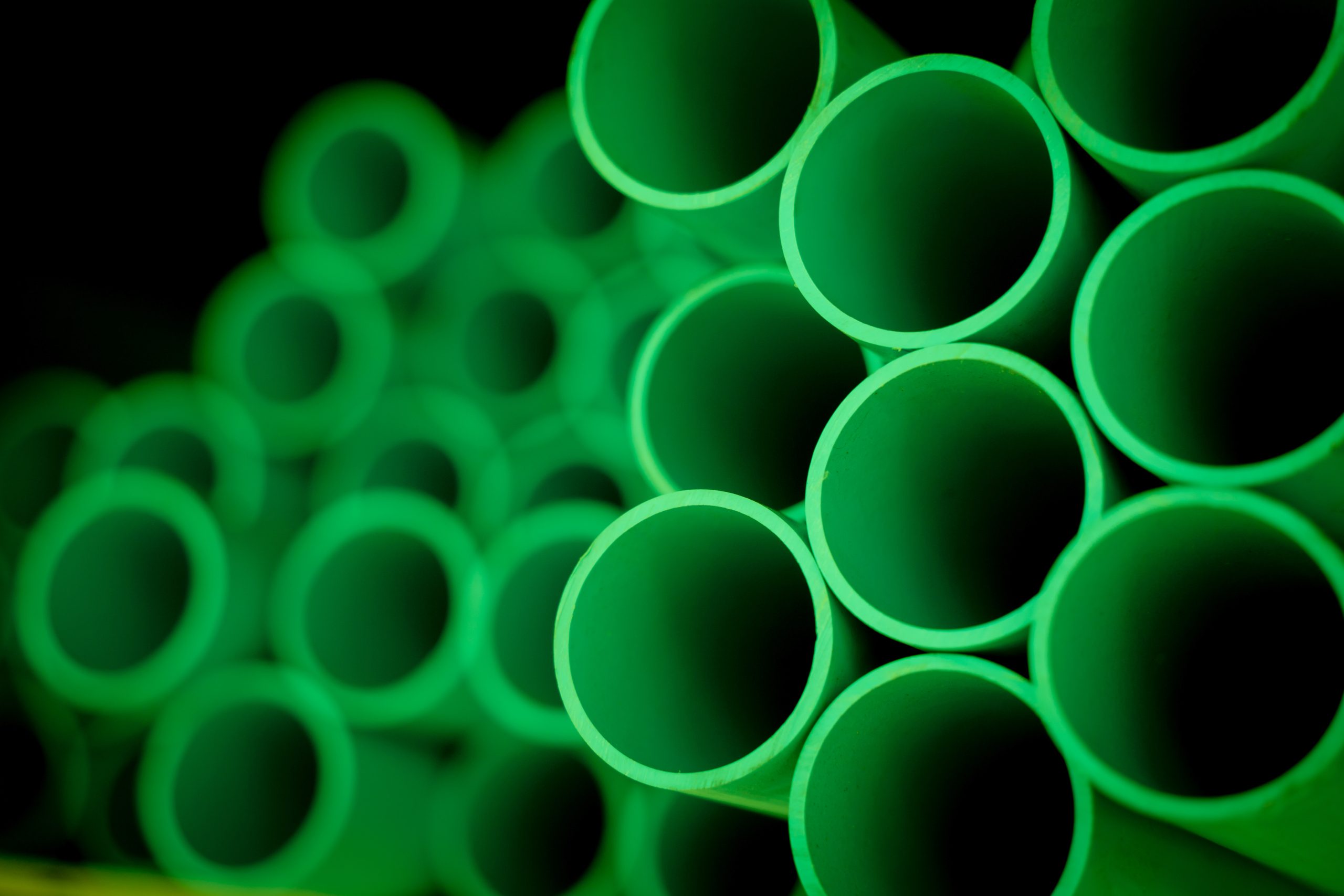
Singapore’s plastic pipes and fittings market is supported by continued investment in water security, construction, wastewater treatment, and utility infrastructure. PVC, HDPE, PPR, and related piping systems are widely used because they are lightweight, corrosion-resistant, durable, and suitable for complex urban networks. Singapore currently consumes around 440 million gallons of water per day, and total demand could nearly double by 2065. With a dense urban environment and expanding infrastructure, demand remains strong for reliable piping across residential, commercial, industrial, and municipal applications.
Major Growth Drivers of Singapore’s Plastic Pipes and Fittings Industry
Water Network Expansion Supports Long-Term Pipe Demand
Singapore operates one of the region’s most advanced water systems, creating steady demand for pipeline renewal and expansion. PUB supplies potable water to around 1.7 million households and businesses through approximately 6,000 km of pipelines. In 2024, PUB repaired 267 pipe leaks, equivalent to around 4.5 leaks per 100 km of water pipes. As existing networks age, continued maintenance and replacement activity should support demand for durable plastic piping solutions. HDPE and other plastic materials can offer advantages such as corrosion resistance, lighter weight, and easier installation.
Construction Activity Drives Plumbing and Drainage Demand
Singapore’s construction sector remains another important market driver. The Building and Construction Authority expects total construction demand of around S$47–53 billion in 2026, supported by projects such as Changi Terminal 5, Marina Bay Sands expansion, healthcare facilities, housing, and rail extensions. New residential, commercial, institutional, and infrastructure developments require pipes and fittings for water supply, drainage, sewage, HVAC, and building services. This creates recurring demand for PVC, PPR, HDPE, and specialized piping systems.
Water Recycling Creates Additional Infrastructure Opportunities
Singapore’s focus on water reuse also expands the addressable market. PUB operates extensive NEWater, wastewater, and industrial water infrastructure, while new facilities are being developed to meet future demand. Singapore’s water demand could nearly double by 2065, with the non-domestic sector expected to account for around two-thirds of total consumption. This growth supports demand for pipes used in recycled water, industrial water, wastewater, and treatment applications.
Government Initiatives Supporting Singapore’s Plastic Pipes and Fittings Market
PUB continues to invest in water infrastructure, including pipeline expansion, wastewater treatment, NEWater capacity, and network renewal. The Tuas Water Reclamation Plant is part of the Deep Tunnel Sewerage System, while Kranji Water Reclamation Plant and its NEWater facility are also being redeveloped. PUB has additionally planned new potable-water pipelines to support growing residential estates such as Tengah and Bidadari. These projects support sustained demand for modern piping systems and fittings.
Competitive Insights of Singapore’s Plastic Pipes and Fittings Industry
Singapore’s plastic pipes and fittings industry includes international manufacturers, regional suppliers, distributors, engineering firms, and building-material specialists. Competition focuses on quality, certification, durability, chemical resistance, technical support, and delivery reliability. Suppliers serving water, construction, industrial, and wastewater projects must also meet strict local standards. Companies offering specialized products, broad distribution coverage, and strong engineering support are likely to maintain an advantage in Singapore’s quality-focused market.
Challenges Faced Within Singapore’s Plastic Pipes and Fittings Market
Strict Standards Increase Compliance Costs
Products used in potable water, industrial, and building applications require extensive testing and regulatory compliance. Certification, quality assurance, and technical documentation can increase costs for manufacturers and importers.
Limited Domestic Scale Intensifies Competition
Singapore’s relatively small domestic market limits overall volume compared with larger Southeast Asian countries. Suppliers often need to combine local project demand with regional distribution and export opportunities to achieve greater scale.
Future Outlook
In the coming years, Singapore’s plastic pipes and fittings market should remain supported by water security, construction, wastewater treatment, and urban redevelopment. The growth story is likely to center increasingly on replacing aging networks and building more efficient systems rather than simple geographic expansion. With current water demand at about 440 million gallons per day and construction demand projected at S$47–53 billion in 2026, the market retains a solid demand base. Suppliers offering durable, standards-compliant, low-maintenance, and application-specific piping solutions should be well positioned as Singapore continues modernizing its water and built infrastructure.
Consultants at Nexdigm, in their latest publication “Singapore Plastic Pipes and Fittings Market Outlook to 2035,” analyze the sector By Material Type (PVC, CPVC, HDPE, MDPE and PVCO Pipes and Fittings), By Product Type (Pressure, Non-Pressure, Corrugated, DXV Pipes), By Application Type (Municipal Water Distribution System, Residential Plumbing Systems and Electric Conduit Systems).
Nexdigm suggests that businesses in the Singapore Plastic Pipes and Fittings Industry should focus on strengthening local manufacturing, expanding contractor partnerships, targeting water and sanitation projects, investing in heat-resistant products, and developing cost-efficient solutions for housing, irrigation, and utility infrastructure.
To take the next step, simply visit our Request a Consultation page and share your requirements with us.
Harsh Mittal
+91-8422857704