
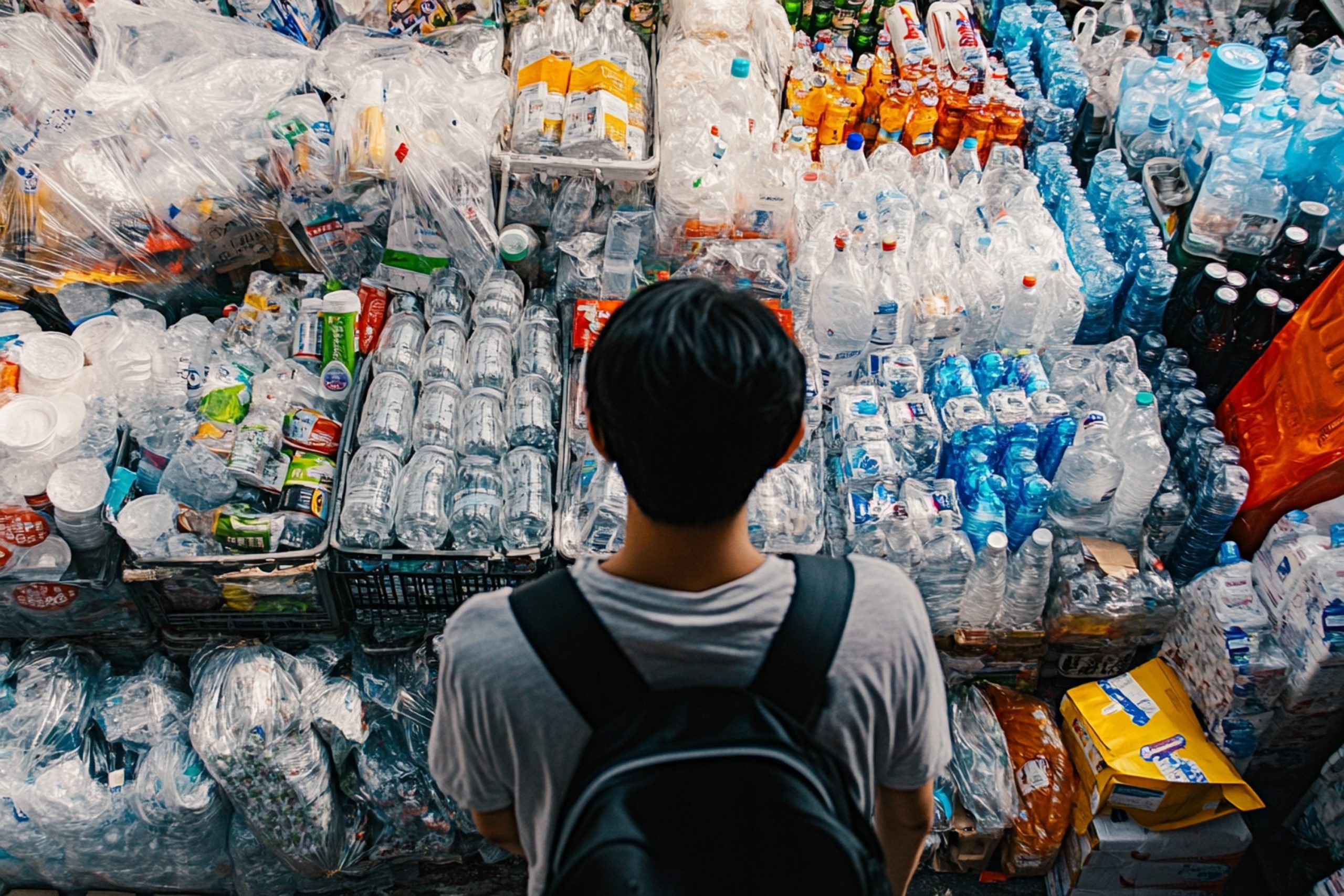
Plastics remain deeply connected to Singapore’s modern economy, supporting everything from food packaging and healthcare to electronics, chemicals, logistics, and consumer products. However, the conversation around plastics is increasingly moving from how much is consumed to how effectively materials are managed after use. Singapore generated around 918,000 tonnes of plastic waste in 2024, compared with 957,000 tonnes a year earlier. With limited land available for waste disposal, reducing material use, recovering valuable resources, and developing higher-value applications are becoming more important for businesses across the plastics value chain.
Market Drivers Shaping the Plastics Industry in Singapore
Advanced Industries Raise Demand for Specialized Materials
Singapore’s electronics, semiconductor, healthcare, precision engineering, and chemicals industries need plastics that can do more than provide basic functionality. Engineering polymers offer electrical insulation, chemical resistance, durability, precision, and lightweighting advantages that make them useful in sophisticated applications. Singapore’s Jurong Island hosts more than 100 global energy and chemicals companies, creating a concentrated ecosystem where chemical producers, technology companies, and manufacturers can collaborate on specialty materials and new polymer solutions.
Packaging Enters a More Resource-Conscious Phase
Packaging remains an everyday source of plastics demand across food and beverages, healthcare, retail, logistics, and e-commerce. Yet businesses are being encouraged to think more carefully about how much material they use and what happens to it afterward. Packaging accounts for approximately one-third of Singapore’s domestic waste, bringing greater attention to lightweight designs, reusable formats, recyclable materials, and packaging that incorporates recovered content.
Circular Innovation Opens a Different Kind of Growth Opportunity
For Singapore, future plastics growth does not necessarily mean using more virgin material. Opportunities are emerging in recycling technologies, recovered feedstocks, product redesign, and more efficient material use. Work on Jurong Island involving bio-based feedstocks and plastic-waste-derived circular naphtha shows how established petrochemical infrastructure can potentially support newer circular manufacturing models.
Government Actions Affecting the Singapore’s Plastic Industry
Singapore’s Mandatory Packaging Reporting framework requires qualifying businesses with annual turnover above S$10 million to report packaging data and develop plans for reducing, reusing, or recycling packaging. The Beverage Container Return Scheme, introduced in April 2026, strengthens this direction. Covering more than one billion beverage containers annually, the scheme is designed to recover over 16,000 tonnes of material each year through a refundable 10-cent deposit.
Competitive Insights of Singapore’s Plastic Industry
Singapore’s plastics landscape brings together global chemical companies, packaging suppliers, specialty-material businesses, recyclers, converters, and technology providers. Given the country’s limited space and relatively high operating costs, competing primarily on manufacturing volume can be difficult. Technical performance, efficient material use, traceability, recycling expertise, and product innovation therefore carry greater weight. Companies able to develop specialized polymers or turn recovered materials into commercially viable products can create stronger differentiation.
Market Challenges Faced Across Singapore’s Plastic Sector
Plastic Recovery Remains Difficult at Scale
Recovering value from plastic waste remains challenging when materials are contaminated, mixed, or difficult to separate. These issues can make recycled plastics less competitive and limit the amount of waste that returns to productive use. Improving collection, sorting, and processing will therefore be essential if Singapore is to reduce its reliance on incineration and keep more plastic resources in circulation.
Greener Feedstocks Still Carry a Price Premium
The shift toward alternative materials also comes with an economic hurdle. Singapore EDB has reported that bio-naphtha can cost roughly 2.5 to three times more than conventional naphtha, while circular naphtha can cost approximately three to 3.5 times more. Until technologies mature and production scales increase, these premiums can make adoption difficult for cost-sensitive applications.
Future Outlook
As we move ahead, Singapore’s plastics market is likely to focus less on volume and more on extracting greater value from every unit of material. Advanced manufacturing, electronics, healthcare, and specialty chemicals should support demand for sophisticated polymers, while packaging policies encourage reduction, reuse, and recycling. The Beverage Container Return Scheme alone aims to recover more than 16,000 tonnes of material annually. For businesses, the opportunity lies in combining advanced materials, efficient production, circular feedstocks, better product design, and recycling technologies to create a plastics industry that generates more value with fewer resources.
Consultants at Nexdigm, in their latest publication “Singapore Plastics Market Outlook to 2035,” analyze the sector By Polymer Type (Polyethylene, High density Polyethylene, Low Density Polyethylene, Polypropylene, Polyurethane and Polyvinyl Chloride), By Resin Source (Bio based Polymer, Post Industrial Recycled Resin and Post Consumer Recycled Resin).
Nexdigm suggests that businesses in the Singapore Plastic Market must shift toward high-performance and sustainable solutions while strengthening regulatory readiness. Companies should build recycling partnerships, improve material traceability, optimize production costs, and leverage Singapore’s innovation ecosystem to expand across specialty packaging, electronics, healthcare, and industrial applications.
To take the next step, simply visit our Request a Consultation page and share your requirements with us.
Harsh Mittal
+91-8422857704