
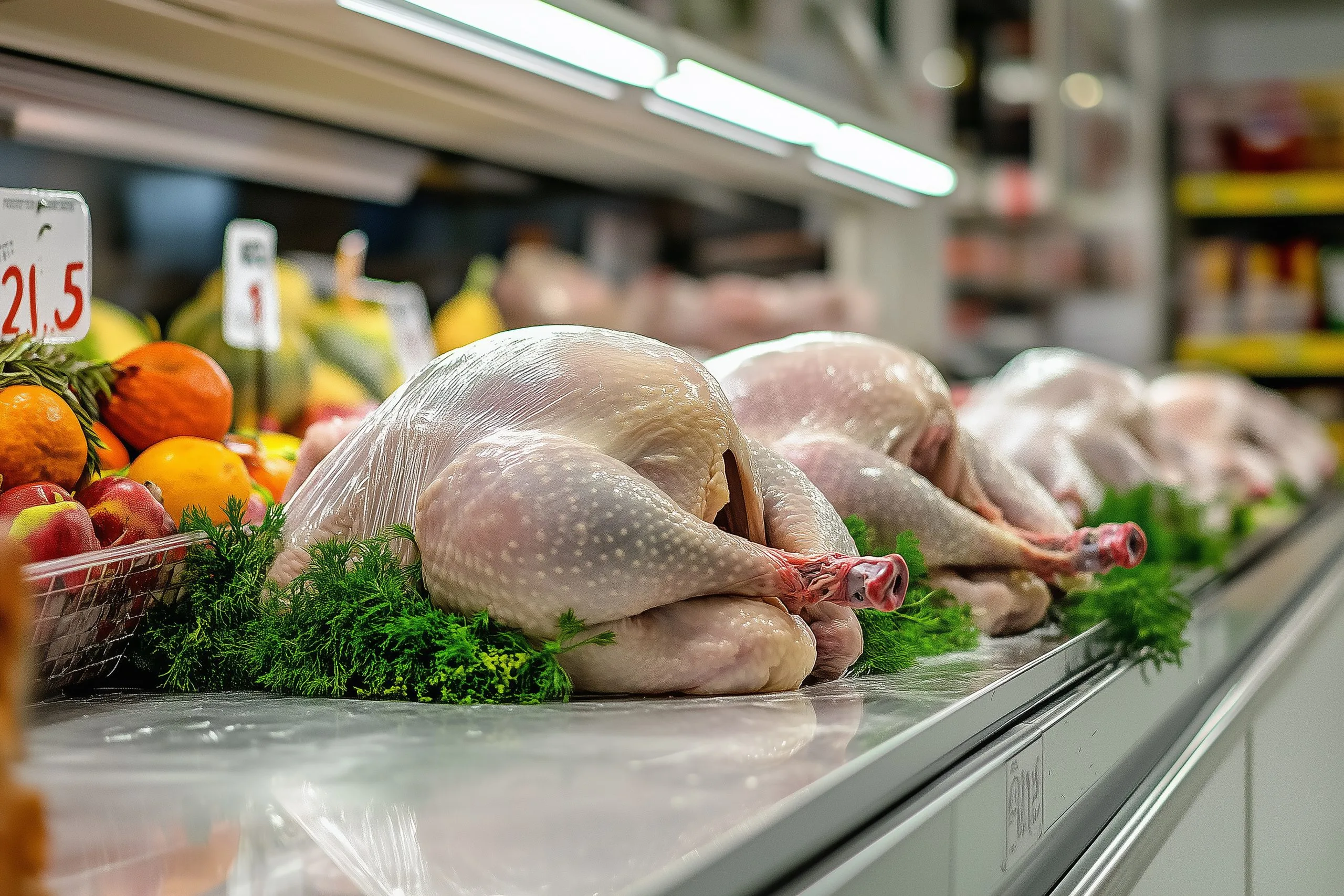
The Singapore poultry meat market is supported by strong household demand, a mature foodservice sector, and the country’s heavy reliance on imported food. Chicken remains one of the most preferred protein sources because it is affordable, versatile, and widely used across Chinese, Malay, Indian, and Western cuisines. Singapore’s chicken meat supply is estimated at around 233,000 metric tons and is expected to move toward nearly 244,000 metric tons. With poultry meat imports valued at about USD 386 million, reliable sourcing and cold-chain efficiency remain central to market stability.
Key Growth Drivers of the Singapore Poultry Meat Market
Foodservice Channels Continue to Support Poultry Consumption
Singapore’s hawker centres, quick-service restaurants, hotels, cafés, caterers, and institutional kitchens are major users of poultry meat. Chicken is used across everyday meals, delivery menus, buffet offerings, and high-volume cooking formats because it is easy to portion, prepare, and adapt to different cuisines. The country’s tourism, business travel, and dining-out culture further support steady poultry demand.
Import Diversification Remains Critical for Supply Stability
Singapore imports most of its food, making poultry sourcing a key market priority. With total meat import demand estimated at around USD 1.4 billion, importers and distributors play an important role in ensuring consistent product availability. Supplier diversification, cold-chain management, and food safety controls help reduce risks from export restrictions, disease outbreaks, and logistics disruptions in source markets.
Convenient Poultry Formats Are Becoming More Popular
Consumers increasingly look for poultry products that are easy to prepare and suitable for fast-paced urban lifestyles. Supermarkets, wet markets, online grocery platforms, and convenience stores are expanding chilled, frozen, marinated, boneless, and ready-to-cook chicken options. These formats support both household cooking and meal preparation for small food businesses.
Government Support Is Strengthening Food Security and Supply Resilience
Government support in Singapore is closely linked to food security, import diversification, strict food safety regulation, and supply resilience. The Singapore Food Agency encourages diversified food sourcing and maintains strong inspection and safety standards for imported meat products. Singapore’s broader “30 by 30” food security goal also supports food innovation and local production capabilities. While poultry supply remains largely import-led, these initiatives improve market confidence and reduce exposure to supply disruptions.
Competitive Landscape Is Shaped by Importers, Retailers, and Foodservice Suppliers
The Singapore poultry meat market includes importers, distributors, supermarkets, wet market suppliers, processed meat brands, and foodservice supply companies. Competition is shaped by price, freshness, halal certification, product quality, supplier reliability, and cold-chain performance. Imported poultry products compete across frozen, chilled, processed, and ready-to-cook formats. Companies with diversified sourcing, strong logistics, food safety compliance, and convenient product offerings are better positioned to serve both retail and foodservice demand.
Market Challenges in the Singapore Poultry Meat Market
Supply Disruptions Can Affect Availability and Prices
Singapore’s dependence on imported poultry exposes the market to disease outbreaks, export restrictions, freight cost changes, currency fluctuations, and geopolitical disruptions. Any pressure in supplier countries can affect product availability across retail and foodservice channels.
Food Safety and Cold Chain Requirements Increase Costs
Poultry products require strict temperature control, quality monitoring, and compliance with food safety regulations. Maintaining reliable cold-chain systems adds costs for importers, distributors, retailers, and foodservice suppliers.
Future Outlook
The Singapore poultry meat market is expected to remain stable as foodservice activity, retail modernization, and consumer demand for convenient protein products continue to support poultry consumption. Future opportunities will likely emerge in frozen chicken, chilled cuts, marinated products, ready-to-cook meals, processed poultry, and premium halal-certified options. Supply diversification will remain important as Singapore works to improve food resilience. Businesses that combine reliable sourcing, cold-chain efficiency, food safety compliance, and product convenience are likely to capture stronger long-term opportunities.
Consultants at Nexdigm, in their latest publication “Singapore poultry meat market outlook to 2035,” analyze the sector By Product Type (Chicken Meat, Turkey Meat, Duck Meat), By Form (Fresh Poultry Meat, Frozen Poultry Meat, Processed Poultry Meat)
Nexdigm suggests that businesses should prioritize diversified poultry sourcing, cold-chain efficiency, food safety compliance, and convenient ready-to-cook formats to capture growth in Singapore’s poultry meat market.
To take the next step, simply visit our Request a Consultation page and share your requirements with us.
Harsh Mittal
+91-8422857704
[email protected]