
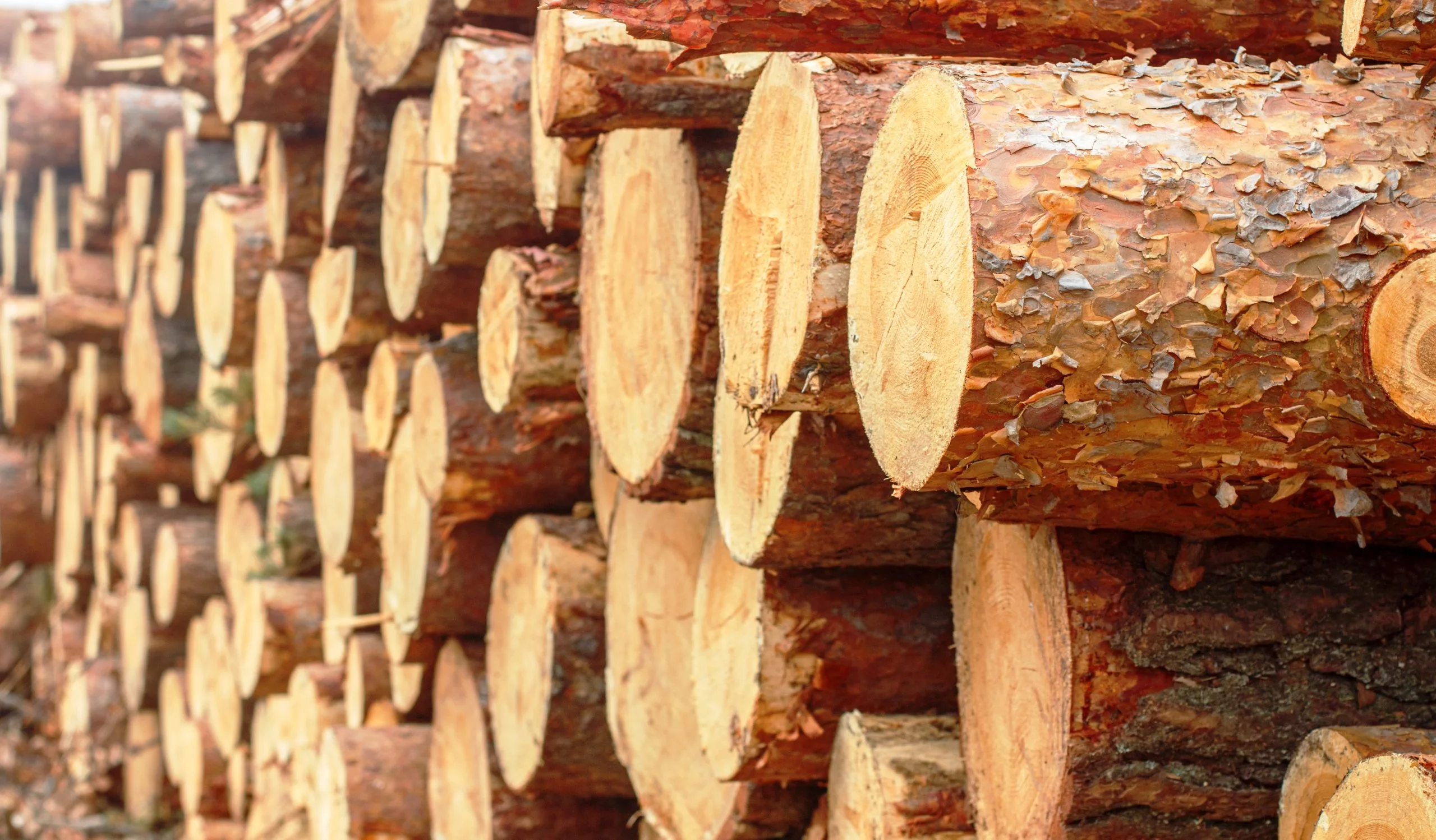
The Singapore sawnwood market is shaped by the country’s demand for quality timber across construction, interiors, furniture, landscaping, packaging, and renovation applications. Sawnwood is used in flooring, doors, wall panels, joinery, furniture, decking, pallets, crates, and interior fit-outs because it offers natural appeal, workability, durability, and design flexibility. Singapore’s average sawnwood import price reached USD 1,000 per cubic meter, rising 8.5%, reflecting demand for higher-value imported timber. Market growth is supported by urban redevelopment, commercial interiors, public infrastructure, premium housing, hospitality projects, and Singapore’s role as a regional trade and distribution hub.
Key market drivers are strengthening sawnwood demand in Singapore
Construction and renovation activity are supporting steady timber use
Singapore’s construction sector continues to create demand for sawnwood in residential, commercial, hospitality, retail, and public infrastructure projects. Timber is used in flooring, doors, wall cladding, decking, formwork, interior partitions, joinery, and decorative features. Although Singapore has limited domestic timber resources, import-led supply allows builders and contractors to access a wide range of hardwood and softwood species for different applications. Asia’s sawnwood market reached 167 million cubic meters in consumption and USD 70.5 billion in value, showing the scale of regional wood demand. In Singapore, renovation activity is also important, as homes, offices, hotels, and retail spaces regularly upgrade interiors to meet modern design and durability expectations.
Premium interiors and furniture demand are improving value opportunities
Singapore’s high-density urban environment, affluent consumer base, hospitality sector, and commercial real estate market support demand for premium wood finishes and furniture-grade sawnwood. Wood is valued in interiors because it adds warmth, texture, and natural character to apartments, offices, restaurants, hotels, and luxury retail spaces. Sawnwood is used in custom furniture, cabinets, counters, shelves, wall panels, stair elements, and decorative joinery. Asia-Pacific sawnwood market value reached USD 67.1 billion, indicating strong regional demand for timber products across construction and interiors. Suppliers that provide consistent grades, kiln-dried material, certified wood, and application-specific species can serve higher-value project requirements more effectively.
Packaging and trade-linked applications are adding practical demand
Singapore’s role as a logistics, warehousing, port, and re-export hub supports demand for pallets, crates, transport packaging, and industrial wood products. These applications provide steady volume demand beyond interiors and construction projects.
Government green building and urban development initiatives are supporting timber demand
Government priorities around urban redevelopment, infrastructure planning, green buildings, resource efficiency, and sustainable materials influence Singapore’s sawnwood market. Public projects, commercial redevelopment, housing upgrades, and transport-linked infrastructure indirectly support demand for timber used in interiors, formwork, fit-outs, and maintenance. Sustainability standards are also encouraging more attention to certified timber, legal sourcing, and responsible supply chains. In a market where most timber is imported, traceability and compliance are important for long-term buyer confidence. These initiatives support demand for higher-quality wood products that align with performance, safety, and environmental expectations.
Competitive landscape is shaped by importers, distributors, and project-focused suppliers
The Singapore sawnwood market includes timber importers, building material distributors, furniture manufacturers, joinery workshops, interior fit-out firms, flooring suppliers, pallet producers, and re-export traders. Competition is shaped by species availability, import price, certification, moisture control, grading consistency, delivery reliability, and technical support. Regional import prices stand at USD 263 per cubic meter, while Singapore’s import price is significantly higher at USD 1,000 per cubic meter, reflecting its focus on higher-value wood products and imported material quality. Suppliers with strong sourcing networks, warehousing capacity, compliance documentation, and relationships with contractors and interior firms are better positioned to capture repeat demand.
Market challenges continue to affect cost and supply stability
Import dependence creates exposure to global price changes
Singapore depends heavily on imported sawnwood, making the market sensitive to freight rates, currency movement, supplier-country regulations, shipping delays, and global timber price shifts. These factors can affect project budgets and inventory planning.
Sustainability documentation is becoming more important
Buyers increasingly expect proof of legal sourcing, certification, and responsible forest management. Smaller suppliers may face challenges in meeting documentation requirements consistently.
Future outlook
The future outlook for the Singapore sawnwood market remains steady, supported by urban redevelopment, premium interiors, hospitality projects, maintenance activity, logistics packaging, and sustainable material demand. Asia’s sawnwood demand is projected to move toward 175 million cubic meters and USD 82.7 billion, with market value growing at 1.5% CAGR. Opportunities are expected across certified hardwood, softwood lumber, flooring, decking, decorative panels, furniture-grade timber, joinery wood, pallets, crates, kiln-dried lumber, and treated wood products. Businesses that invest in traceable sourcing, certification, moisture control, inventory planning, and project-specific product ranges will be better positioned for long-term growth.
Consultants at Nexdigm, in their latest publication “Singapore sawnwood market outlook to 2035,” analyze the sector By Wood Species Type (Southern Yellow Pine Sawnwood, Douglas Fir Sawnwood, Spruce-Pine-Fir Sawnwood, Hem-Fir Sawnwood), By Product Form (Rough Sawn Lumber, Planed Sawnwood, Kiln-Dried Sawnwood)
Nexdigm suggests that businesses in the Singapore sawnwood market should focus on sustainable, certified, and specification-ready timber products that support demand across construction, premium interiors, furniture, landscaping, packaging, renovation, and re-export applications.
To take the next step, simply visit our Request a Consultation page and share your requirements with us.
Harsh Mittal
+91-8422857704