
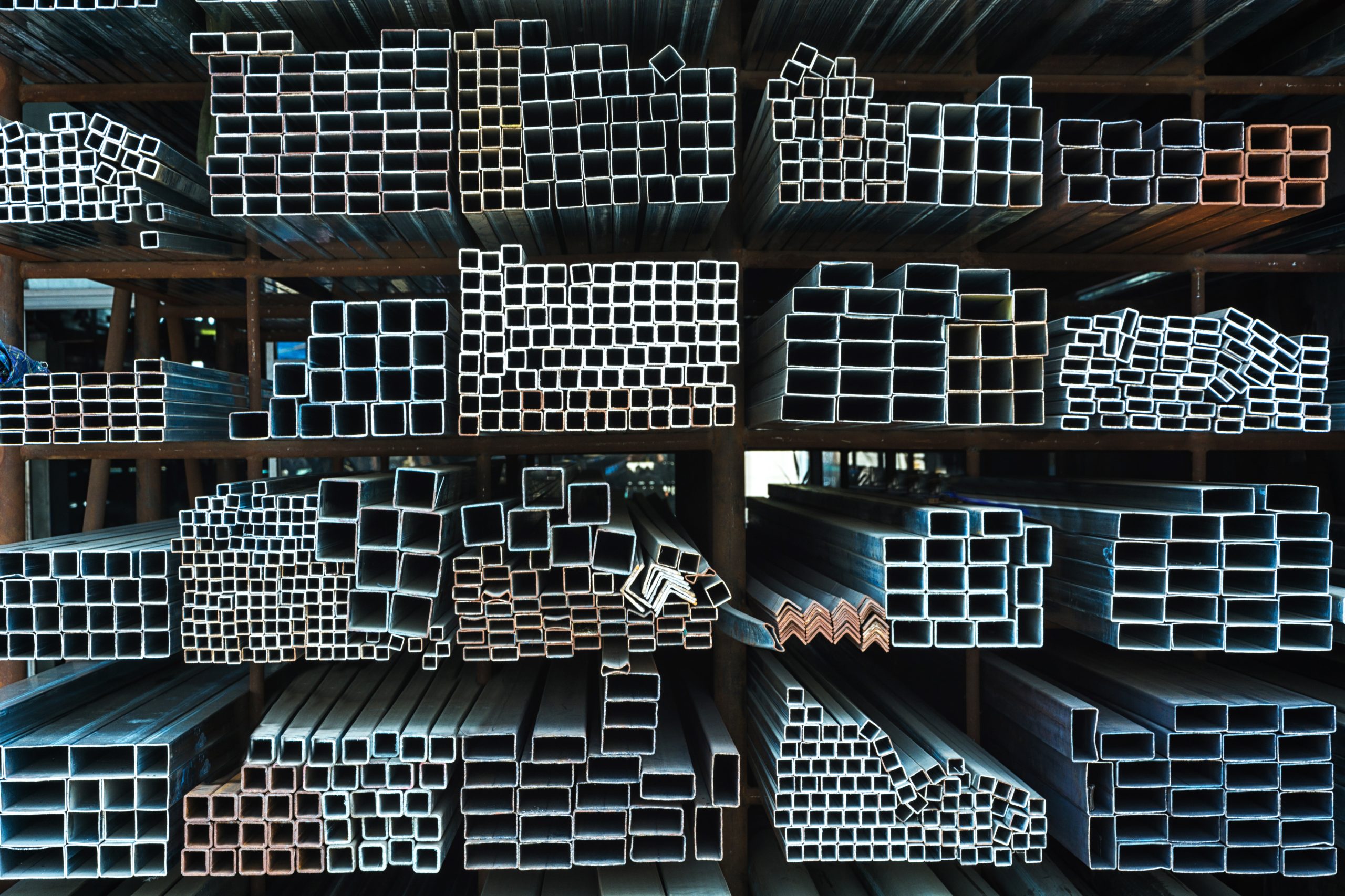
The Singapore sintered steel market is supported by expanding demand for high-precision, material-efficient, and complex metal components across aerospace, semiconductor equipment, industrial machinery, electronics, medical technology, and advanced engineering applications. Powder metallurgy enables manufacturers to produce intricate parts with high dimensional consistency and limited secondary machining. Singapore’s manufacturing output reached approximately S$479.1 billion, while precision engineering generated around S$56.5 billion of output. Growth in automation, advanced manufacturing, and high-value engineering is creating opportunities for specialized sintered steel components.
Key Market Drivers of Singapore Sintered Steel Market
Strong Precision Engineering Manufacturing Base
Singapore has developed a substantial precision-engineering ecosystem serving semiconductors, aerospace, medical technology, machinery, and industrial equipment manufacturers. More than 3,000 precision-engineering companies operate across the country, while the sector generated approximately S$56.5 billion in manufacturing output and around S$20.6 billion in value added. Sintered steel can support this ecosystem through high-precision gears, bushings, bearings, structural parts, actuator components, and specialized machinery components. Powder metallurgy also helps manufacturers reduce material waste, minimize machining requirements, and maintain consistent dimensional tolerances across repeat production runs.
Expanding Aerospace and High Value Engineering Applications
Singapore is one of Asia’s major aerospace manufacturing and maintenance centers, with more than 130 aerospace companies operating across manufacturing, maintenance, repair, overhaul, and engineering services. Aerospace output exceeds S$18 billion, while Singapore accounts for approximately 10% of global aerospace MRO output. Sintered steel components can address applications involving gears, pump parts, mechanical assemblies, actuators, and other precision-engineered components where repeatability, durability, controlled material properties, and weight optimization are important.
Growing Automation and Advanced Manufacturing
Singapore has one of the world’s most automated manufacturing sectors, with approximately 730 industrial robots per 10,000 manufacturing workers. High automation levels encourage manufacturers to adopt production technologies capable of delivering repeatable quality and efficient high-volume output. Powder metallurgy complements automated manufacturing through precision compaction, controlled sintering, digital inspection, and near-net-shape production. Singapore’s strong semiconductor-equipment and electronics-manufacturing ecosystem also creates opportunities for specialized sintered components used in industrial machinery, motion systems, and precision production equipment.
Government Support towards Singapore Sintered Steel Market
Government programs supporting advanced manufacturing, digitalization, automation, and high-value engineering create a favorable environment for sintered steel applications. Singapore’s Manufacturing 2030 strategy aims to increase manufacturing value added by 50% by 2030. The country also secured approximately S$12.1 billion in manufacturing-related fixed asset investment commitments in 2025. These initiatives support expansion in precision engineering, aerospace, semiconductor equipment, machinery, and other advanced industries that can utilize high-performance powder-metallurgy components.
Competitive Landscape of Singapore Sintered Steel Market
The Singapore sintered steel market includes multinational powder-metallurgy companies, precision-engineering firms, specialty material suppliers, aerospace component manufacturers, and industrial equipment producers. Competition is based on dimensional precision, material density, alloy performance, tooling capability, production consistency, heat-treatment expertise, engineering support, and reliability. Suppliers serving Singapore’s high-value manufacturing sectors are increasingly differentiated by advanced materials, automated production, stringent quality assurance, and the ability to develop customized components for semiconductor, aerospace, medical, and industrial applications.
Market Challenges of Singapore Sintered Steel Market
Dependence on Imported Powder Metallurgy Inputs
Singapore has strong precision-manufacturing capabilities but a limited domestic raw-material base for iron powders, alloy powders, specialty additives, and other powder-metallurgy feedstocks. Manufacturers therefore remain dependent on international suppliers, exposing them to logistics disruptions, material-price fluctuations, procurement delays, and changes in global supply availability.
High Cost and Specialized Manufacturing Requirements
Sintered steel production requires precision presses, specialized tooling, controlled-atmosphere furnaces, heat-treatment equipment, inspection systems, and skilled technical personnel. Singapore’s relatively high operating and workforce costs can reduce competitiveness for standardized, high-volume components. Manufacturers therefore need to focus on technically demanding, higher-value applications where precision, reliability, customization, and engineering capability justify higher production costs.
Future Outlook
The Singapore sintered steel market is expected to benefit from continued expansion in precision engineering, aerospace, semiconductor equipment, industrial automation, and advanced machinery. Future opportunities should increasingly emerge from high-density gears, actuator components, bearings, specialty machinery parts, aerospace systems, semiconductor equipment, and complex precision assemblies. Manufacturers combining advanced powders, automated manufacturing, digital quality control, efficient sintering technologies, and application-specific engineering should be better positioned to serve Singapore’s high-value industrial ecosystem.
Consultants at Nexdigm, in their latest publication “Singapore Sintered Steel Market Outlook to 2035,” analyze the sector By Manufacturing Process (Powder Mixing and Blending, Compaction and Pressing, Conventional Press-and-Sinter, Warm Compaction, Metal Injection Molding), By Material Type (Iron-Based Sintered Steel, Low-Alloy Sintered Steel, High-Alloy Sintered Steel, Nickel-Alloy Sintered Steel)
Nexdigm suggests that businesses in the Singapore sintered steel market should invest in advanced powder metallurgy, focus on high-value precision applications, strengthen aerospace and semiconductor partnerships, improve automated production capabilities, and develop specialized components to capitalize on advanced manufacturing and engineering demand.
To take the next step, simply visit our Request a Consultation page and share your requirements with us.
Harsh Mittal
+91-8422857704