
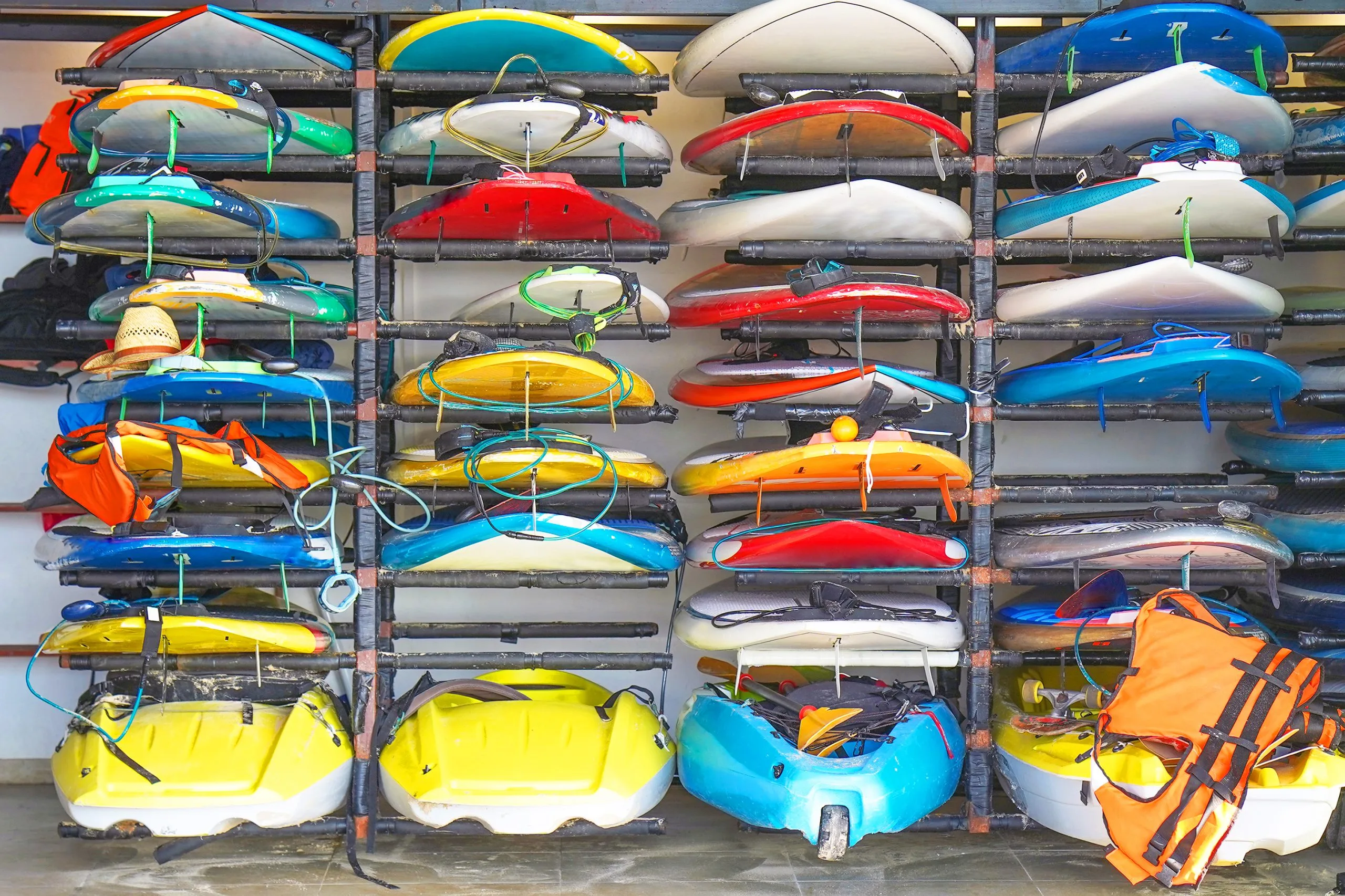
Singapore’s surfing equipment market is evolving as a niche but promising segment within the country’s broader leisure and sports ecosystem. Despite limited natural surfing conditions, the city-state’s strong coastal infrastructure, water sports culture, and high disposable income are supporting steady growth. Artificial wave parks, offshore surf trips, and regional travel to nearby surf destinations are further fueling demand. Globally, the surfing equipment market is expected to reach USD 6.32 billion with a 6.5% CAGR, and Singapore is benefiting from this trend through premium consumer demand. As urban consumers increasingly prioritize fitness, experiences, and outdoor recreation, the market is carving out a distinct position in the country’s lifestyle economy.
Key Forces Powering Singapore’s Surfing Equipment Market
Rising Interest in Lifestyle Sports and Wellness
Singapore’s consumers are increasingly embracing lifestyle-driven sports that combine fitness, recreation, and mental well-being. Surfing, even in a non-traditional environment, is viewed as an aspirational activity linked to travel and global trends. The country’s high per capita income and spending on premium leisure activities support demand for quality surfboards, wetsuits, and accessories. Fitness-driven lifestyles and an emphasis on work-life balance are encouraging more people to explore activities like surfing, particularly among millennials and Gen Z.
Growth of Surf Travel and Regional Connectivity
While Singapore lacks large natural waves, its strategic location in Southeast Asia provides easy access to surfing destinations like Indonesia and Malaysia. Many consumers purchase equipment locally for use during international surf trips. This travel-driven demand creates a unique market dynamic, where equipment purchases are influenced by outbound tourism. Surf retailers benefit from customers preparing for trips, investing in durable and high-performance gear suited to global surfing conditions.
Emergence of Artificial Wave Parks and Training Facilities
Artificial surf parks and wave simulators are gradually gaining traction, providing controlled environments for beginners and enthusiasts. These facilities lower the barrier to entry by allowing users to learn surfing without traveling abroad. As participation increases through these platforms, demand for beginner-friendly surfboards, apparel, and accessories is expected to grow. This trend also encourages repeat engagement, strengthening long-term market potential.
Singapore’s Surfing Equipment Market Supported by Sports and Recreation Initiatives
Singapore’s government has consistently promoted sports participation and active lifestyles through initiatives such as Sport Singapore programs and infrastructure investments. Efforts to develop recreational spaces, water sports facilities, and coastal attractions indirectly support niche activities like surfing. Additionally, tourism campaigns promoting experiential and adventure-based travel help build awareness around water sports. While surfing is not a primary focus, the broader push toward wellness, recreation, and international connectivity continues to create a favorable environment for the surfing equipment market to grow steadily.
Competitive Landscape of Singapore Surfing Equipment Market
The Singapore surfing equipment market is characterized by a mix of international premium brands, specialty sports retailers, and online platforms. With consumers prioritizing quality and performance, global brands hold a strong presence in the market. E-commerce plays a significant role, offering a wide range of products and competitive pricing. Retailers often differentiate through personalized services, expert advice, and curated product offerings. This premium-focused and service-driven market structure supports consistent growth despite its niche size.
Key Challenges Limiting Singapore’s Surfing Equipment Market Expansion
High Cost of Equipment and Niche Audience
Surfing equipment is typically premium-priced, which may deter casual users. Additionally, the sport appeals to a relatively niche audience, making market expansion slower compared to mainstream recreational activities.
Future Outlook
The future of Singapore’s surfing equipment market lies in its ability to leverage lifestyle trends, regional connectivity, and innovation in recreational infrastructure. As artificial wave parks expand and surf tourism continues to grow, the market is expected to witness steady demand. Global growth in the surfing equipment industry further reinforces long-term opportunities, particularly for high-quality and travel-friendly gear. Singapore’s role as a regional hub also positions it as a key retail and distribution center for Southeast Asia. Overall, while the market may remain niche, its alignment with premium lifestyles, wellness trends, and travel-driven consumption ensures a stable and evolving growth trajectory in the years ahead.
Consultants at Nexdigm, in their latest publication “Singapore Surfing Equipment Market Outlook to 2035” analyze the sector By End User (Professional Surfes, Amateur Surfes), By Distribution Channel (Direct Sales, Retail Outlets, E-Commerce).
Nexdigm suggests that businesses should write market‑relevant context by combining data‑driven insights on industry trends, consumer behavior, and competitive dynamics to support informed and strategic decision‑making.
To take the next step, simply visit our Request a Consultation page and share your requirements with us.
Harsh Mittal
+91-8422857704