
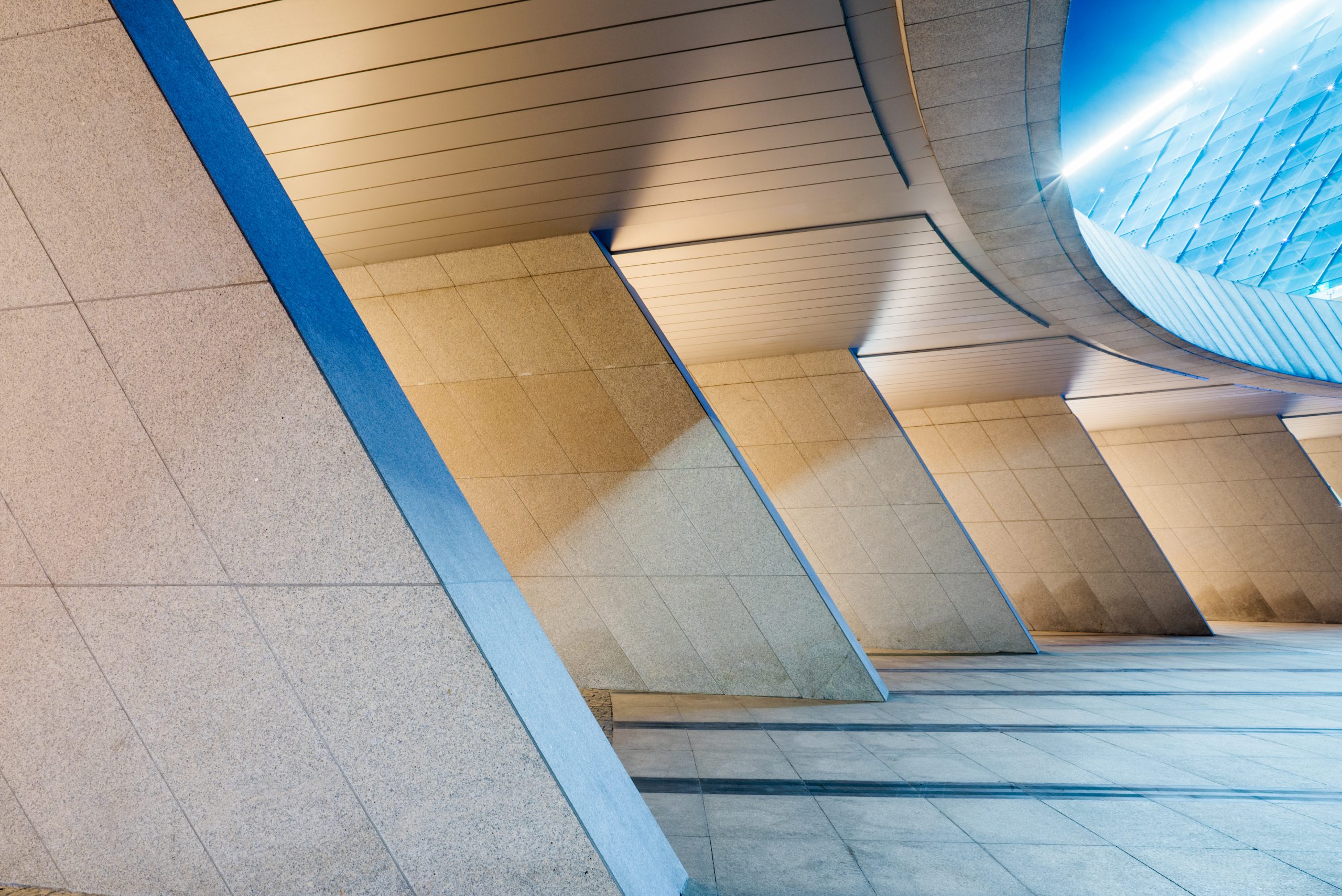
Singapore translucent concrete market is emerging as a niche yet innovative segment within the construction and architectural materials industry. Combining the strength of concrete with light-transmitting properties, translucent concrete is increasingly being adopted in premium commercial buildings, public infrastructure, and sustainable construction projects. Singapore’s construction demand expanded from S$33.8 billion to S$44.2 billion over recent years, creating favorable conditions for advanced building materials. Growing emphasis on modern architecture, energy-efficient structures, and visually distinctive building designs is further supporting the adoption of translucent concrete solutions across the city-state.
Market Drivers Supporting Singapore Translucent Concrete Industry
Rising Demand for Premium Architectural Designs
Singapore reputation for iconic urban developments has encouraged architects and developers to explore innovative construction materials. Translucent concrete offers a unique blend of aesthetics and functionality, allowing natural light to penetrate building surfaces while maintaining structural integrity. Major business districts such as Marina Bay and Downtown Core continue to witness investments in high-end commercial and mixed-use developments, increasing demand for visually appealing construction materials.
Growing Focus on Sustainable Construction
Sustainability remains a major priority in Singapore’s construction sector. Translucent concrete contributes to energy efficiency by enhancing daylight penetration and potentially reducing dependence on artificial lighting during daytime hours. As developers seek solutions that support green building certification requirements, demand for advanced architectural materials is expected to rise. The integration of daylighting technologies aligns well with Singapore’s broader environmental and energy conservation goals.
Expansion of Construction and Infrastructure Activities
The steady expansion of the construction industry is creating opportunities for specialized construction materials. Construction demand increased from S$33.8 billion to S$44.2 billion, while construction output reached approximately S$38.4 billion during the latter period. Ongoing investments in commercial complexes, transportation projects, hospitality developments, and smart-city infrastructure are likely to stimulate market growth. Local innovations such as Pan-United’s translucent concrete solutions further strengthen the market by demonstrating the viability of domestically developed technologies.
Government Initiatives Supporting Singapore Translucent Concrete Sector
Singapore government actively promotes sustainable and innovative construction through various green building frameworks and urban development initiatives. The Green Mark certification program encourages the adoption of energy-efficient building materials and technologies. Additionally, government land sales, smart-city development strategies, and investments in modern infrastructure indirectly support the demand for innovative materials such as translucent concrete that enhance both sustainability and architectural value.
Competitive Landscape of Singapore Translucent Concrete Industry
The market remains relatively specialized, with competition driven by construction material manufacturers, architectural solution providers, and innovative concrete producers. Local players such as Pan-United have demonstrated capabilities in developing translucent concrete products tailored to Singapore’s urban environment. International suppliers and specialty material providers also contribute to market development by introducing advanced technologies and customized applications for commercial and infrastructure projects.
Challenges Affecting Singapore Translucent Concrete Growth
High Material and Installation Costs
Translucent concrete requires specialized manufacturing processes and light-transmitting components, resulting in significantly higher costs than conventional concrete. This cost factor may limit adoption primarily to premium projects and landmark developments.
Limited Market Awareness
Despite its advantages, translucent concrete remains a relatively new concept in many construction applications. Developers and contractors may hesitate to adopt the material due to limited familiarity, technical knowledge gaps, and concerns regarding return on investment compared to traditional building materials.
Future Outlook
The future of Singapore translucent concrete market appears promising as demand for sustainable, aesthetically advanced, and technologically innovative building solutions continues to grow. Increasing urban redevelopment projects, smart-city initiatives, and green construction practices are expected to support wider adoption. As manufacturing technologies improve and costs gradually become more competitive, translucent concrete could move beyond niche architectural projects into broader commercial and public infrastructure applications. Continued innovation by local manufacturers and collaborations with architectural firms are likely to accelerate market expansion in the coming years.
Consultants at Nexdigm, in their latest publication “Singapore Translucent Concrete Market Outlook to 2035,” analyze the sector By Product Form (Market definition and scope, Singapore translucent Concrete Market Classification, Light-Transmitting Concrete Technology Mapping, Optical-Fiber-Embedded Concrete Assessment, PMMA Optical Fiber Concrete Evaluation).
Nexdigm suggests that businesses in the Singapore Translucent Concrete Industry focus on meeting the demand for innovative, sustainable, and visually appealing construction materials. Companies should collaborate with architects and developers, invest in advanced manufacturing capabilities, and target high-end commercial and smart building projects to strengthen their competitive position.
To take the next step, simply visit our Request a Consultation page and share your requirements with us.
Harsh Mittal
+91-8422857704