
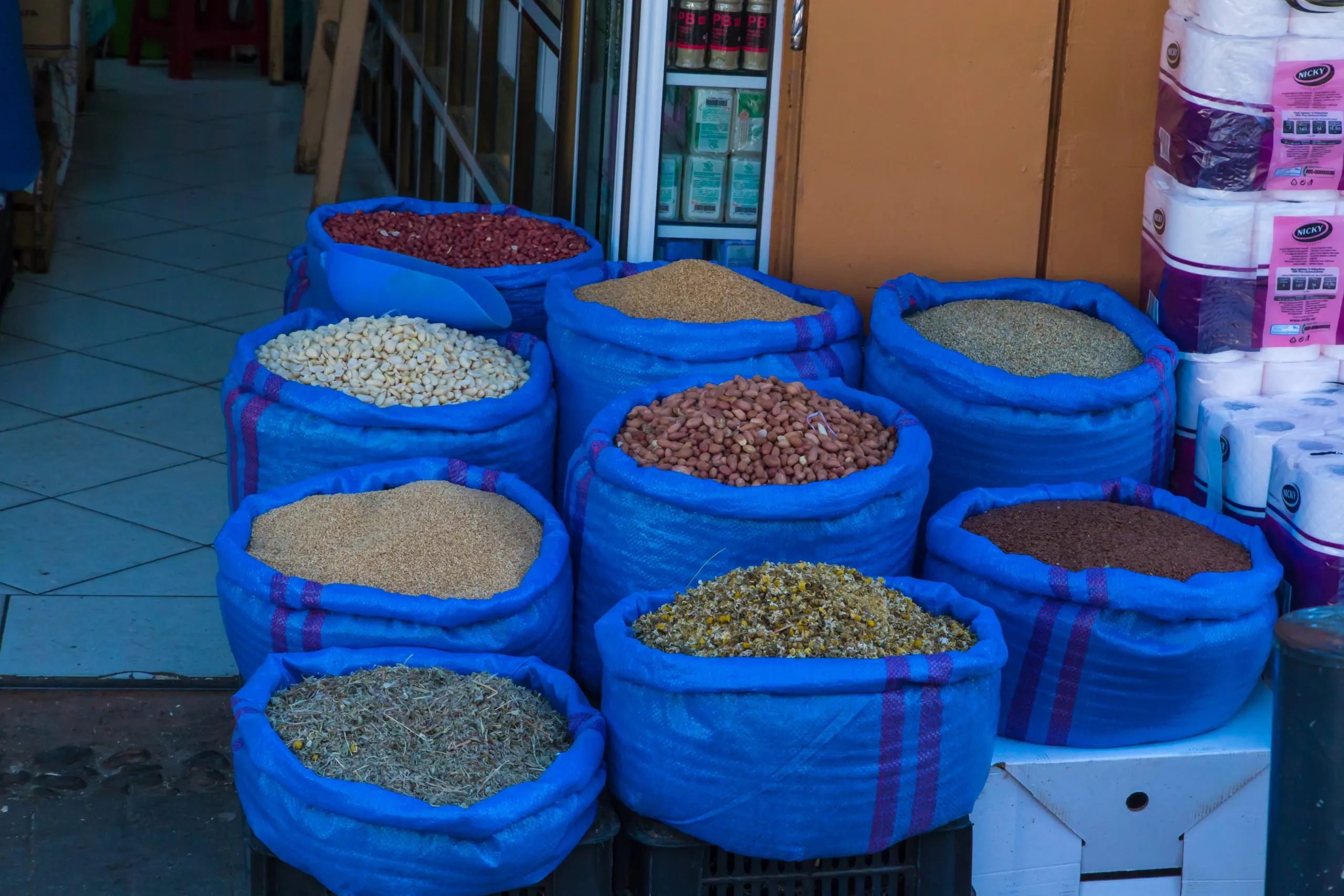
The Singapore vegetable seed market is evolving rapidly as the nation strengthens its commitment to food security and sustainable urban agriculture. With Singapore importing more than 90% of its food supply, there is a growing focus on increasing local food production through hydroponics, vertical farming, rooftop cultivation, and other innovative agricultural systems. The market is valued at approximately USD 65.15 million and is projected to reach USD 146.46 million, reflecting strong growth potential. Rising demand for high-quality vegetable seeds, particularly hybrid varieties suited for controlled-environment farming, is helping shape the future of Singapore’s agricultural landscape.
Key Growth Drivers in the Singapore Vegetable Seed Market
Rising Adoption of Vertical and Indoor Farming
One of the primary growth drivers in the Singapore vegetable seed market is the rapid expansion of vertical farming and indoor cultivation systems. Due to severe land constraints, growers are increasingly adopting space-efficient farming technologies that can maximize crop output in limited areas. These systems require high-performance vegetable seeds with strong germination rates, short crop cycles, and consistent yields. Leafy greens such as lettuce, kale, spinach, and Asian vegetables are particularly popular because they perform exceptionally well in hydroponic and controlled-environment settings. As more urban farms emerge, demand for specialized seed varieties is expected to increase significantly.
Growing Focus on Food Security and Local Production
Food security remains a key national priority for Singapore. The country’s reliance on imported food has encouraged investments in local agricultural production to build supply chain resilience. More efficient farming systems are creating demand for vegetable seeds that can deliver reliable harvests and maximize productivity. Vegetable farm productivity has already improved from 227.2 tonnes per hectare to 231.4 tonnes per hectare annually, demonstrating how advanced cultivation methods and improved seed technologies are supporting agricultural efficiency.
Increasing Preference for Hybrid and Premium Seed Varieties
Hybrid vegetable seeds continue to gain popularity because they offer superior yield potential, enhanced disease resistance, and greater adaptability to Singapore’s controlled growing environments. Local growers and commercial farms are increasingly prioritizing premium seeds that can produce high-quality vegetables for supermarkets, restaurants, and consumers. The growing popularity of herbs, microgreens, specialty vegetables, and pesticide-free produce is also encouraging seed companies to introduce innovative varieties tailored for urban farming applications. These trends are creating attractive opportunities across the seed value chain.
Government Support Enhancing the Singapore Vegetable Seed Market
Government initiatives continue to play a major role in supporting the Singapore vegetable seed market. More than USD 60 million has been allocated to over 100 Agri-Food Cluster Transformation projects aimed at strengthening local food production capabilities. Additionally, agricultural zones such as Lim Chu Kang and Sungei Tengah are receiving continued support for advanced vegetable cultivation. These investments are helping farms adopt innovative technologies, improve productivity, and increase demand for high-quality vegetable seeds suited to hydroponic and vertical farming systems. Government backing remains a key enabler of long-term market growth.
Competitive Landscape of the Singapore Vegetable Seed Market
The Singapore vegetable seed market consists of international seed companies, regional suppliers, agri-tech firms, and specialized distributors serving controlled-environment agriculture. Competition is largely driven by seed quality, productivity, climate adaptability, and suitability for vertical farming systems. Companies are increasingly investing in research and development to create varieties optimized for hydroponic cultivation, indoor farming, and premium retail markets. Strategic collaborations with urban farms and agri-tech operators are becoming an important competitive advantage within the industry.
Key Challenges Facing the Singapore Vegetable Seed Market
Limited Agricultural Land Availability
Singapore’s limited land area remains one of the biggest challenges for agricultural expansion. Although vertical farming and indoor cultivation help address this issue, scaling food production still requires significant investment in technology, infrastructure, and specialized seed varieties.
Heavy Dependence on Imported Seeds
The market relies heavily on imported vegetable seeds, particularly hybrid varieties designed for advanced farming systems. This dependence can expose growers to supply chain disruptions, pricing fluctuations, and international trade uncertainties. Strengthening local seed innovation capabilities remains an important long-term objective.
Future Outlook
The future of the Singapore vegetable seed market appears exceptionally promising, with the market projected to grow at a CAGR of approximately 9.4% and reach nearly USD 146.5 million in value. Growth will be driven by expanding urban agriculture, rising food security initiatives, and greater adoption of advanced farming technologies. As vertical farms, hydroponic facilities, and indoor agriculture projects continue to scale, demand for premium vegetable seed varieties will increase. Innovation in seed genetics, controlled-environment agriculture, and sustainable food production systems is expected to create significant opportunities for both seed suppliers and agricultural technology providers in the years ahead.
Consultants at Nexdigm, in their latest publication “Singapore Vegetable Seed Market Outlook to 2035,” analyze the sector By Crop Family (Leafy Green Seeds, Asian Green Seeds, Herb Seeds, Microgreen Seeds, Tomato Seeds), By Distribution Channel (Direct-to-Farm Sales, Seed Importers and Local Distributors, Hydroponic Solution Providers, Farm Technology Suppliers).
Nexdigm suggests that businesses should focus on developing high-performance seed varieties designed for hydroponic and vertical farming systems, strengthen partnerships with urban agriculture operators, and leverage Singapore’s food security initiatives to capitalize on the growing opportunities within the Singapore vegetable seed market.
To take the next step, simply visit our Request a Consultation page and share your requirements with us.
Harsh Mittal
+91-8422857704