
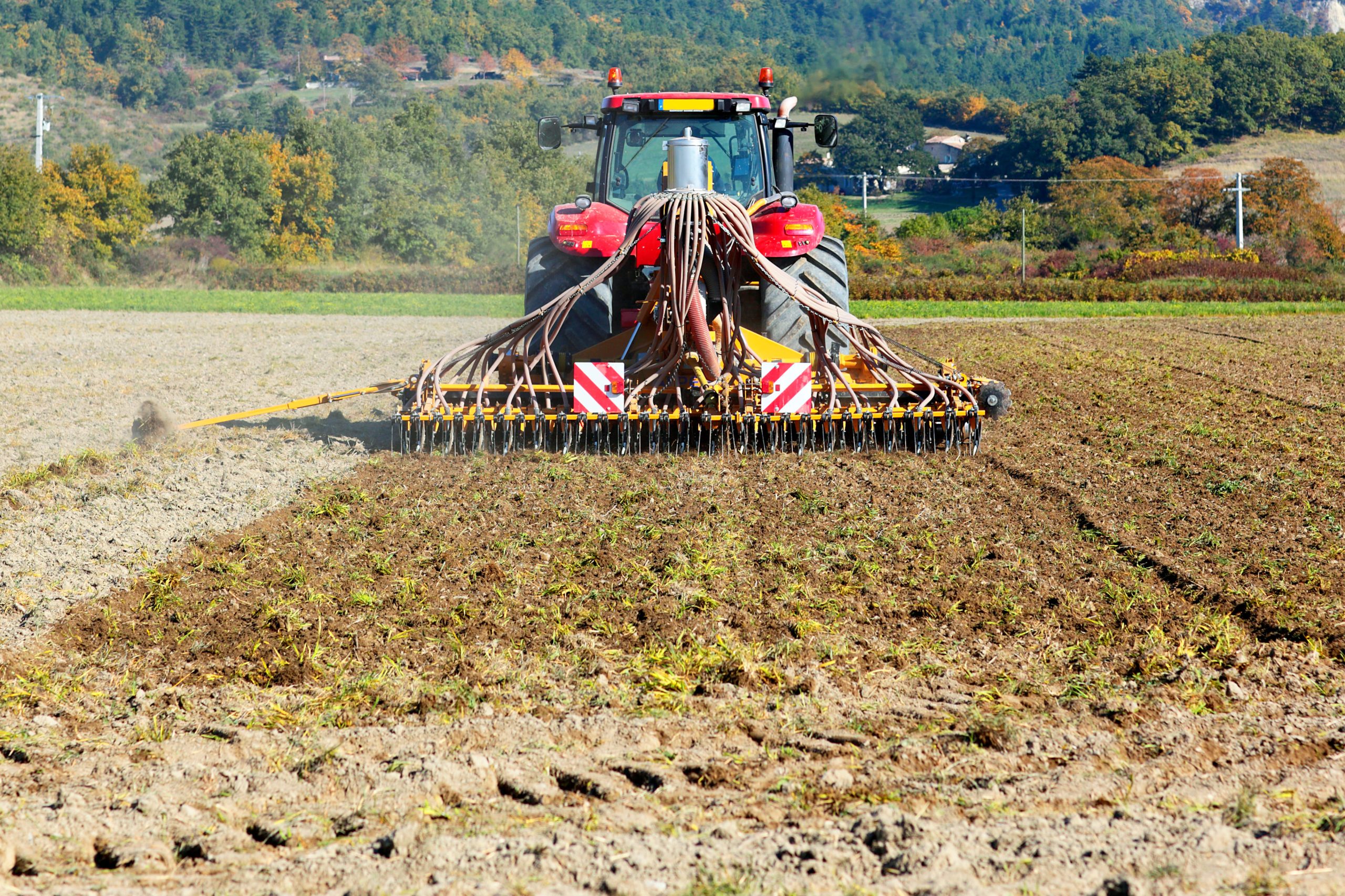
The South Africa agricultural equipment market is witnessing steady evolution as the country balances large-scale commercial farming with emerging smallholder development. As of 2026, South Africa remains one of Africa’s most mechanized agricultural economies, supported by advanced farming practices in maize, citrus, wine grapes, and sugarcane production. However, rising input costs, climate variability, and aging machinery fleets are reshaping equipment demand patterns. While the country has a relatively developed agricultural ecosystem compared to other Sub-Saharan markets, it continues to rely heavily on imported high-value machinery and precision farming technologies. Over the next decade, mechanization upgrades, replacement cycles, and technology integration are expected to drive structured growth in the market through 2035.
What’s Driving the Agricultural Equipment Market in South Africa?
Expansion of Commercial Farming and Export-Oriented Agriculture
South Africa’s strong export orientation in citrus, table grapes, apples, and wine is pushing farms to improve productivity and operational efficiency. Large commercial farms are increasingly investing in higher horsepower tractors, combine harvesters, and advanced spraying systems to optimize yields and meet international quality standards. The need to maintain global competitiveness is encouraging farmers to replace aging fleets with fuel-efficient and technologically advanced equipment. Additionally, consolidation of farmland into larger units is accelerating mechanization intensity per hectare.
Adoption of Precision Agriculture and Smart Technologies
The integration of GPS-guided tractors, telematics, variable-rate application systems, and data-driven farm management platforms is gradually gaining traction. Farmers are adopting precision agriculture to reduce input waste, manage water scarcity, and improve soil health. This shift is particularly relevant in drought-prone regions such as the Western Cape and parts of the Free State. Smart irrigation systems and climate-resilient equipment are becoming critical investments as weather volatility increases. Over time, technology-enabled machinery is expected to account for a growing share of new equipment sales.
Growth in Mechanization Among Emerging Farmers
Government-supported land reform programs and financing initiatives are encouraging mechanization among small and medium-scale farmers. While affordability remains a constraint, demand for compact tractors and multi-purpose implements is rising. Equipment-sharing models, contractor services, and pre-owned machinery are playing a key role in expanding access to mechanization in rural provinces such as Limpopo, Eastern Cape, and Mpumalanga.
Government-Led Initiatives Supporting Agricultural Modernization
The South African government continues to prioritize agricultural development as part of its rural economic strategy. Programs under the Department of Agriculture, Land Reform and Rural Development (DALRRD) are aimed at improving farmer productivity and supporting emerging producers with grants and blended finance models. Public-private partnerships are also being explored to improve irrigation infrastructure and climate adaptation measures. Additionally, incentives for renewable energy adoption on farms—such as solar-powered irrigation systems—are indirectly influencing machinery upgrades, particularly for energy-efficient and hybrid-powered equipment. Over time, sustainability-linked financing and green investment frameworks are expected to shape capital allocation within the agricultural equipment sector.
Market Competition and Distribution Landscape
The South Africa agricultural equipment market is moderately consolidated, with global OEMs maintaining strong dealership networks across major farming regions. Key players include John Deere, CNH Industrial (New Holland and Case IH), AGCO Corporation (Massey Ferguson and Fendt), and Kubota Corporation. These companies operate through authorized dealers offering sales, financing, parts distribution, and after-sales services. Local assembly operations for certain tractor models provide partial cost advantages, but high-value components and advanced machinery are still largely imported. Competition is intensifying in the mid-horsepower tractor segment, where affordability and financing flexibility are critical decision factors. The rise of digital marketplaces and auction platforms is also improving price transparency in the secondary equipment segment.
Climate Volatility and Financing Constraints
South Africa’s agriculture sector remains highly vulnerable to drought cycles, erratic rainfall, and water supply constraints. These uncertainties directly affect farmers’ capital expenditure decisions, often delaying machinery purchases during weak harvest seasons. Moreover, high interest rates and limited access to affordable credit for small-scale farmers restrict broader mechanization adoption. Currency fluctuations also impact equipment prices, given the market’s reliance on imports. This exposes farmers to exchange rate risks and increases overall machinery acquisition costs.
Future Outlook
The South Africa agricultural equipment market is expected to grow steadily through 2035, driven by replacement demand, precision farming adoption, and gradual mechanization of emerging farms. By 2035, higher penetration of GPS-enabled tractors, automated harvesting solutions, and water-efficient irrigation machinery is anticipated across commercial farming clusters. The market is also likely to witness greater adoption of leasing models, equipment pooling, and performance-based financing structures to improve affordability. Sustainability considerations—such as reduced fuel consumption and carbon footprint—will increasingly influence procurement decisions. While structural challenges such as climate risk and financing gaps will persist, South Africa is expected to maintain its position as one of Africa’s most advanced agricultural machinery markets. With continued modernization, the country is poised to serve as a regional benchmark for mechanized farming and agri-tech integration across Sub-Saharan Africa.
Consultants at Nexdigm, in their latest publication “South Africa Agricultural Equipment Market Outlook to 2035”, analyzed the market by Equipment Type (Tractors, Combine Harvesters, Planting Equipment, Irrigation Systems, Sprayers), By Horsepower (Below 50 HP, 50–100 HP, Above 100 HP), By Application (Commercial Farming, Emerging Farmers, Horticulture, Plantation Crops), and By Distribution Channel (Authorized Dealers, Independent Distributors, Online Platforms, Auctions). Nexdigm believes that businesses should prioritize precision-enabled equipment, flexible financing solutions, and strong after-sales service networks to capture long-term growth opportunities in South Africa’s evolving agricultural landscape.
To take the next step, simply visit our Request a Consultation page and share your requirements with us.
Harsh Mittal
+91-8422857704