
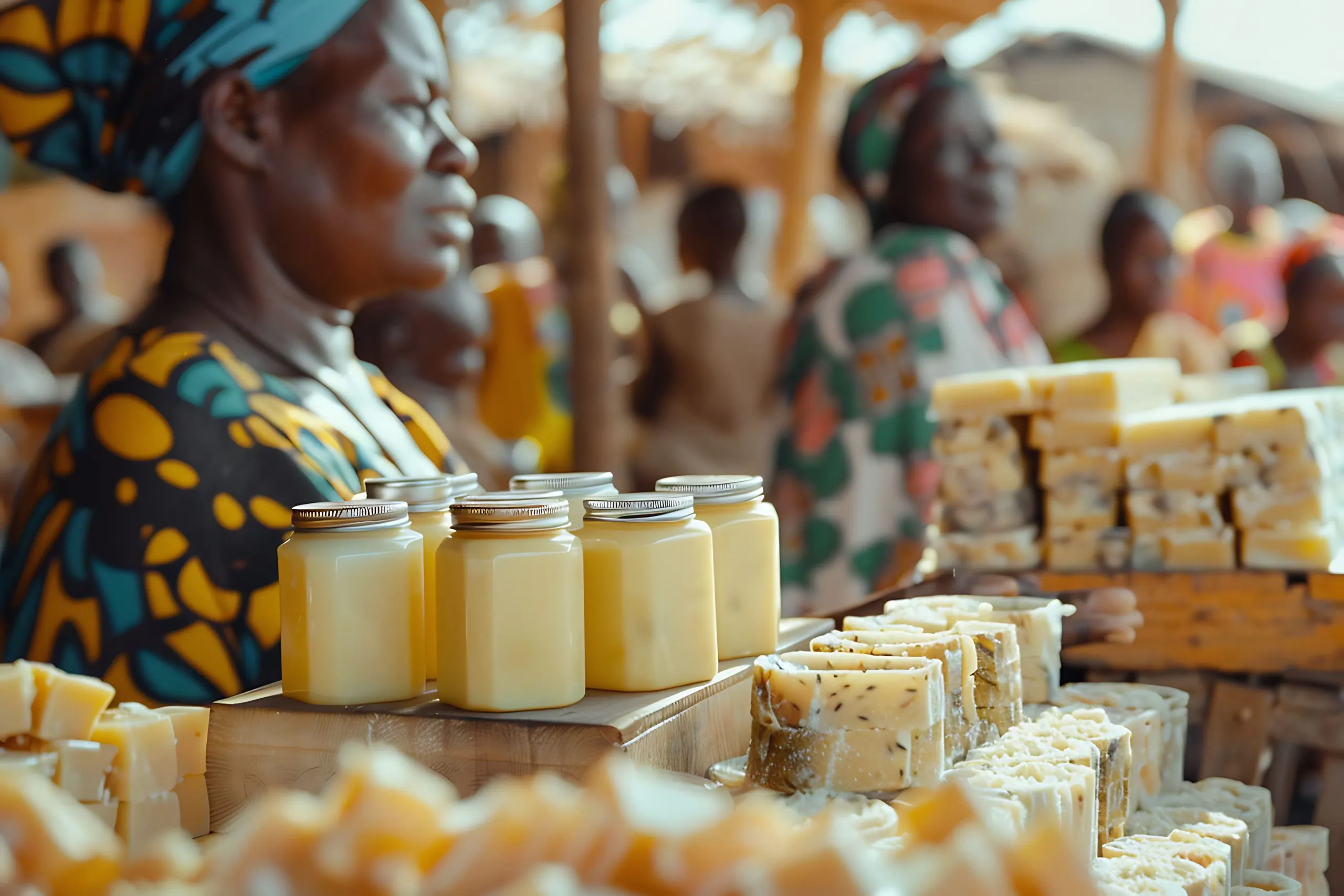
The South Africa Almond Milk Market is steadily gaining momentum as consumers increasingly seek healthier, dairy-free, and plant-based beverage alternatives. Valued at approximately USD 160 million, the market is projected to reach nearly USD 420 million, reflecting strong long-term growth potential. Rising awareness of lactose intolerance, growing interest in vegan and flexitarian diets, and increasing focus on personal wellness are encouraging consumers to incorporate almond milk into their daily routines. From breakfast cereals and smoothies to coffee beverages and baking applications, almond milk is becoming a preferred choice among health-conscious South Africans looking for nutritious and sustainable alternatives to conventional dairy products.
Key Growth Drivers Shaping the South Africa Almond Milk Market
Rising Consumer Preference for Healthier Dairy Alternatives
Health and wellness trends are significantly influencing the South Africa Almond Milk Market. Consumers are becoming more mindful of their dietary choices and are actively looking for beverages that support healthier lifestyles. Almond milk is increasingly favored due to its lactose-free composition, lower calorie content, and nutritional benefits such as vitamin E and antioxidant content. As awareness of digestive health grows, many consumers are replacing traditional dairy products with plant-based alternatives. This trend is particularly strong among younger demographics, fitness enthusiasts, and consumers managing lactose intolerance or dietary sensitivities. The shift is helping almond milk gain a stronger foothold in everyday consumption habits.
Expanding Vegan and Flexitarian Lifestyles
The increasing adoption of vegan, vegetarian, and flexitarian diets is another major driver of the South Africa Almond Milk Market. Consumers are becoming more conscious of environmental sustainability, animal welfare, and the long-term impact of food choices, encouraging greater interest in plant-based products. Almond milk aligns well with these evolving preferences by offering a versatile dairy-free option suitable for a wide range of applications. As plant-based eating becomes more mainstream, almond milk is finding increased acceptance across households, cafés, restaurants, and foodservice venues. This trend is expected to continue supporting category growth over the coming years.
Product Innovation and Expanding Availability
Innovation is creating exciting opportunities within the South Africa Almond Milk Market. Manufacturers are introducing fortified products, organic variants, flavored options, and clean-label offerings that appeal to diverse consumer groups. Unsweetened almond milk is emerging as one of the fastest-growing product categories as consumers increasingly seek low-sugar beverage alternatives. In addition, wider availability across supermarkets, hypermarkets, specialty health stores, cafés, and e-commerce platforms is improving accessibility and consumer awareness. Stronger distribution networks are helping manufacturers reach new customer segments while supporting overall market expansion.
Government and Sustainability Efforts Supporting the South Africa Almond Milk Market
Government initiatives promoting healthier lifestyles, improved nutrition, and sustainable food systems are indirectly benefiting the South Africa Almond Milk Market. Growing public awareness around wellness and environmental responsibility is encouraging consumers to consider plant-based alternatives as part of a balanced diet. At the same time, industry participants are investing in sustainable packaging, product fortification, and responsible sourcing practices. These efforts not only support environmental goals but also strengthen consumer confidence in plant-based beverage products. As sustainability becomes increasingly important, almond milk manufacturers are positioning themselves to meet evolving market expectations.
Competitive Landscape of the South Africa Almond Milk Market
The South Africa Almond Milk Market is becoming increasingly competitive, with both international and regional brands competing for market share. Leading players are focusing on product innovation, flavor diversification, nutritional enhancement, and premium positioning to attract health-conscious consumers. Competition is also intensifying across retail and digital platforms, where brands are investing in consumer engagement, promotional campaigns, and strategic partnerships. Companies that offer clean-label ingredients, functional benefits, and competitive pricing are likely to strengthen their position in this growing market.
Key Challenges Facing the South Africa Almond Milk Market
Premium Pricing and Consumer Affordability
One of the key challenges facing the South Africa Almond Milk Market is the relatively higher cost of almond milk compared to conventional dairy products. Premium ingredients, specialized production processes, and imported raw materials can result in higher retail prices. For price-sensitive consumers, affordability may limit regular consumption. Manufacturers will need to balance premium product positioning with value-oriented offerings to broaden market penetration.
Supply Chain and Raw Material Constraints
The market also faces challenges related to almond sourcing and supply chain stability. Dependence on imported almonds and fluctuations in global commodity prices can lead to increased production costs and supply uncertainty. To address these challenges, companies are focusing on supply chain optimization, strategic sourcing partnerships, and operational efficiencies that help ensure consistent product availability and cost management.
Future Outlook
The future of the South Africa Almond Milk Market appears highly promising, with market value projected to grow from USD 160 million to approximately USD 420 million over the forecast period. Growth will be supported by rising health awareness, increasing demand for plant-based nutrition, and continued expansion of vegan and flexitarian lifestyles. Emerging trends such as fortified almond milk, functional beverages, clean-label formulations, and sustainable packaging are expected to create new opportunities for manufacturers. As consumers continue to prioritize nutrition, wellness, and environmental responsibility, almond milk is likely to become an increasingly important segment within South Africa’s broader plant-based beverage landscape.
Consultants at Nexdigm, in their latest publication “South Africa Almond Milk Market Outlook to 2035,” analyze the sector By Product Type (Unsweetened Almond Milk, Sweetened Almond Milk, Flavored Almond Milk, Barista Almond Milk, Functional/Fortified Almond Milk), By Packaging Type (Cartons, PET Bottles, Glass Bottles, Tetra Packs, Bulk Foodservice Packaging).
Nexdigm suggests that manufacturers should focus on affordable innovation, stronger retail and e-commerce partnerships, sustainable sourcing strategies, and consumer education initiatives to capitalize on the growing opportunities within the South Africa Almond Milk Market
To take the next step, simply visit our Request a Consultation page and share your requirements with us.
Harsh Mittal
+91-8422857704