
South Africa’s industrial automation market is expanding rapidly as sectors like manufacturing, logistics, and energy embrace digital transformation. With increasing demands for efficiency, quality, and sustainability, automation technologies such as robotics, IoT, and artificial intelligence (AI) are becoming essential for businesses seeking to stay competitive. The market is expected to grow over USD 176 billion in the upcoming years, reflecting a growing interest in automation solutions. This shift is not only improving operational productivity but also driving innovation across South Africa’s industrial landscape.
Factors Driving Automation Growth in South Africa
Embracing Industry 4.0 and Smart Manufacturing
The adoption of Industry 4.0 technologies, such as AI, IoT, and cloud computing, is driving South Africa’s move toward smart manufacturing. These technologies help factories operate more efficiently by enabling real-time monitoring, predictive maintenance, and automated decision-making. Industry leaders are integrating automation to improve productivity and reduce operational costs. As South Africa’s manufacturing base continues to evolve, companies are looking for ways to stay ahead of the curve, adopting cutting-edge technologies that deliver significant performance gains while reducing human error and downtime.
Growth in Key Industries and Robotics
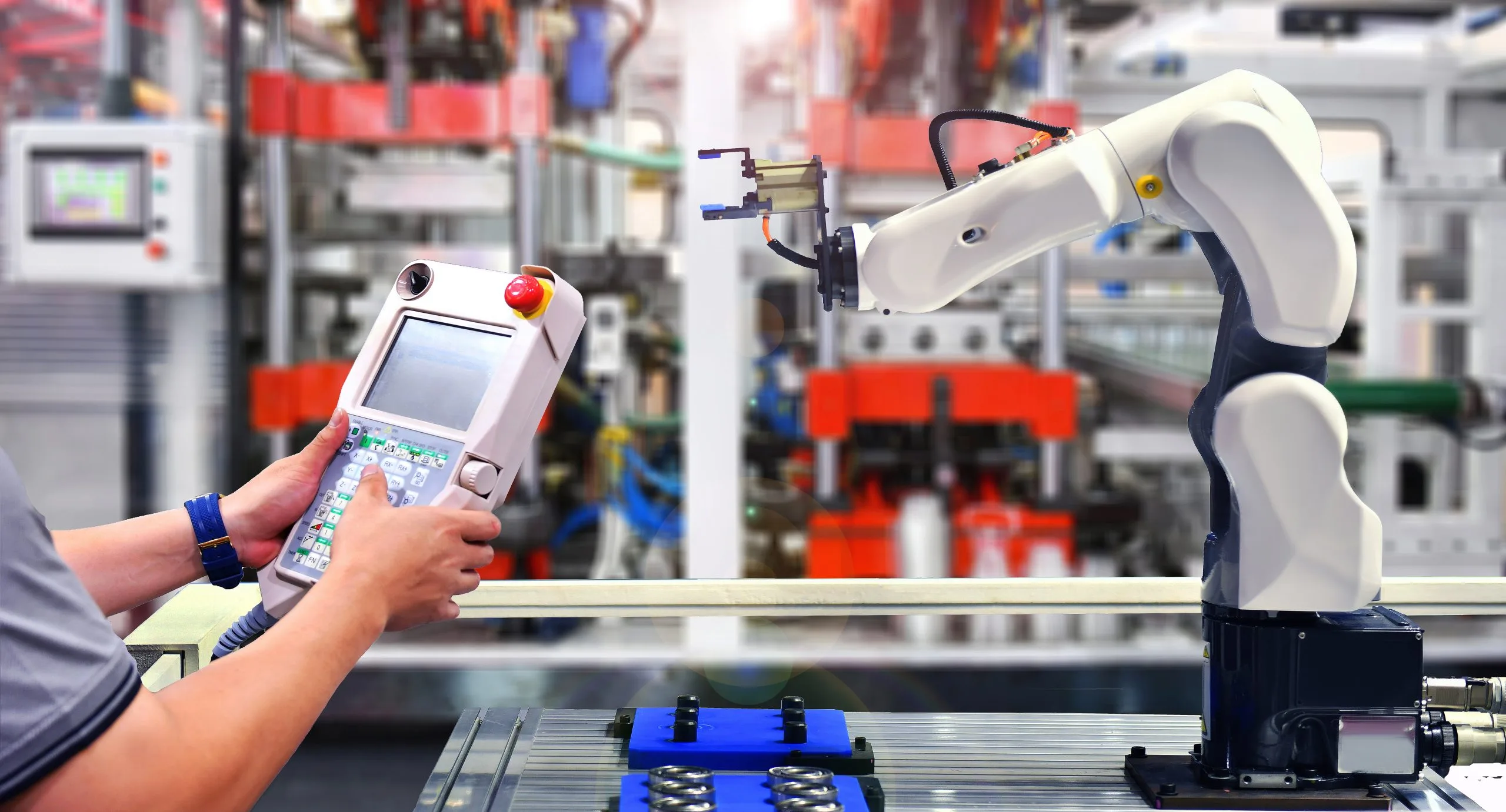
South Africa’s key industries such as automotive, chemicals, and food processing are experiencing a surge in automation adoption. For instance, the industrial robotics market, valued at about USD 333 million last year, is forecasted for rapid growth, driven by the need for faster, more precise production processes that can handle repetitive tasks. Robots are increasingly deployed in tasks ranging from material handling to process control, boosting efficiency, and safety in manufacturing environments. Similarly, the logistics sector is embracing warehouse automation, with the market projected to grow significantly as the demand for streamlined, high-efficiency operations continue to rise.
Sustainability and Operational Efficiency
South Africa’s industrial sectors are under pressure to meet sustainability targets and reduce their environmental footprint. Automation technologies play a key role in achieving these goals by optimizing energy use, reducing waste, and improving the overall resource management in factories. As industries increasingly focus on green manufacturing, automation enables tighter control over processes and energy consumption, allowing businesses to meet regulatory standards while enhancing their operational efficiency. These sustainability benefits are further driving the adoption of automation systems across sectors such as energy, automotive, and food processing.
Government Policy Framework supporting Automation Adoption in South Africa
The South African government has recognized the importance of automation and technology in boosting industrial performance. Through policies like the Industrial Policy Action Plan (IPAP), the government is actively supporting the adoption of automation technologies in manufacturing. Additionally, initiatives to develop a skilled workforce, encourage research and development, and provide incentives for technology upgrades are fostering an environment conducive to automation. These policies align with the broader national goal of enhancing South Africa’s competitiveness on a global scale, helping local industries remain at the forefront of technological advancements.
Competitive Landscape of South Africa’s Automation Industry
South Africa’s industrial automation market is a mix of global technology providers and local service integrators. Major international players like Siemens, ABB, and Rockwell Automation are leading the charge in providing hardware and software solutions for industries ranging from manufacturing to energy. On the local side, companies such as Altron and Azoteq are driving innovation through custom solutions, helping businesses navigate the complexities of automation adoption. The synergy between global expertise and local knowledge is helping South Africa build a competitive edge in the automation space, particularly in industries such as mining, automotive, and agriculture.
Market Challenges affecting South Africa’s Automation Adoption
Infrastructure and Skills Shortages
Despite the promising growth, there are significant challenges hindering widespread automation adoption. One of the biggest barriers is the lack of a robust infrastructure, particularly in more remote areas. Additionally, there is a shortage of skilled workers who can design, implement, and maintain advanced automation systems. As automation technologies become more complex, the demand for highly trained personnel in fields such as robotics, control systems, and artificial intelligence will continue to rise. Addressing these skills gaps and infrastructure issues will be crucial for the long-term success of automation in South Africa.
High Initial Investment Costs
The cost of acquiring and implementing automation technologies can be prohibitively high for many small and medium-sized enterprises (SMEs). While the long-term savings and efficiency gains are clear, the upfront investment required for automation equipment, integration, and maintenance can be a deterrent. For many businesses, securing financing or navigating the complex process of implementing automation is a significant hurdle. However, as the technology becomes more accessible and affordable over time, these barriers may begin to lessen, paving the way for broader adoption across industries.
Future Outlook
South Africa’s industrial automation market will continue to evolve as industries strive for greater efficiency, safety, and sustainability. The ongoing push toward smart manufacturing, powered by AI and IoT, will revolutionize production processes across sectors like automotive, chemicals, and agriculture. The country’s ability to overcome current barriers such as skills shortages and high initial costs will determine how quickly it can scale automation adoption. With strong government support, a growing skilled workforce, and the continued investment in technology, South Africa is poised to become a regional leader in industrial automation, driving growth and innovation across the continent. In the coming years, South Africa’s industrial automation market will not only help local industries thrive but also position the country as a key player in the global automation landscape.
Consultants at Nexdigm, in their latest publication South Africa Industrial Automation Market Outlook to 2035 analyze the sector by System Type (PLC Type, SCADA System, DCS System, Industrial Robots, Safety Instrumented Systems), by End User segment (Automotive Industry, Electronics and Semi-Conductors, Oil and Gas, Food and Beverage, Pharmaceuticals).
Nexdigm suggests that businesses in South Africa must embrace digital transformation by investing in advanced technologies like automation, AI, and IoT. This shift is essential to improve operational efficiency, enhance competitiveness, and align with global industry standards. Adopting these innovations will drive growth and sustainability in a rapidly evolving market.
To take the next step, simply visit our Request a Consultation page and share your requirements with us.
Harsh Mittal
+91-8422857704