
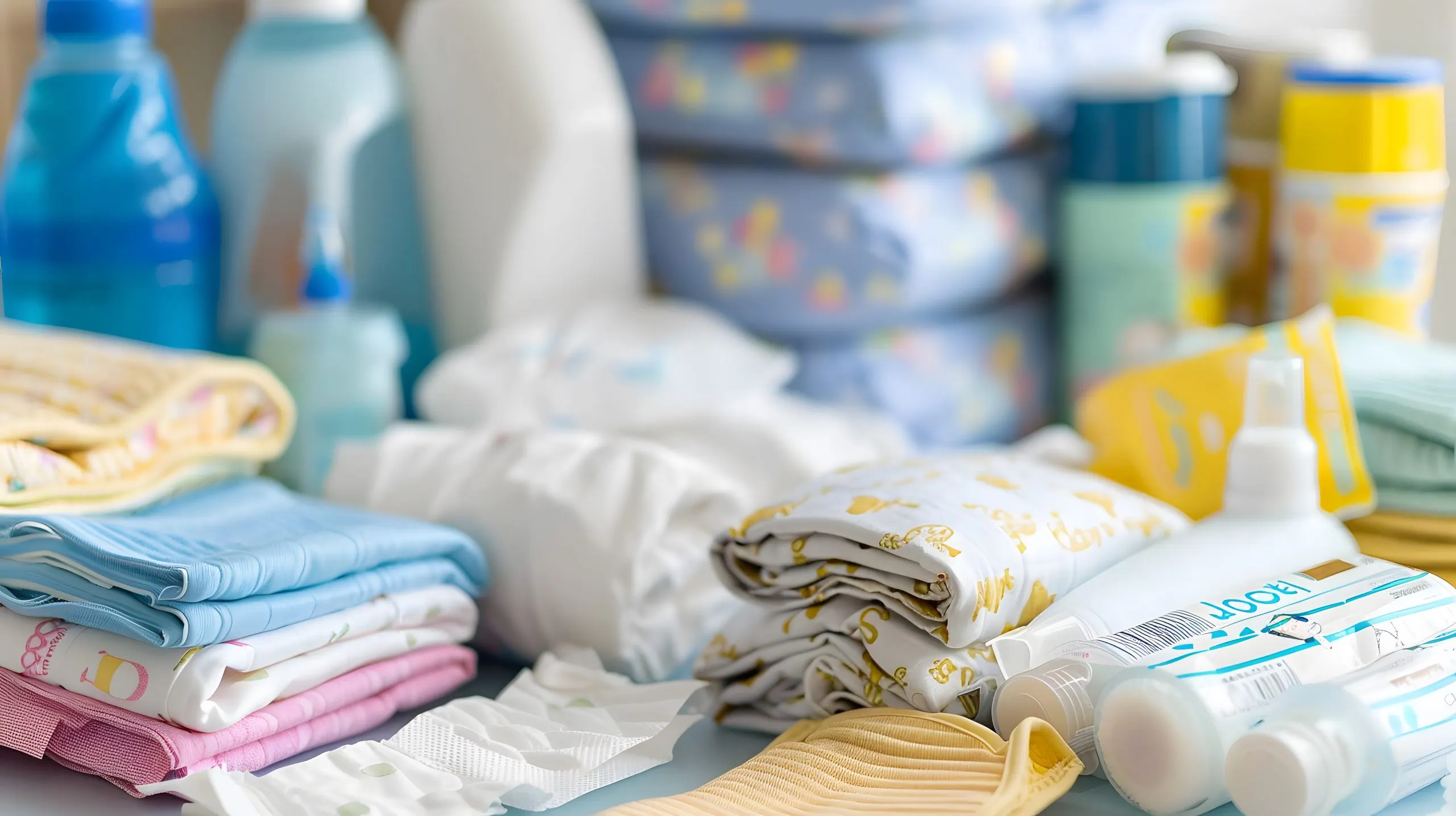
The South Africa baby diapers market is growing steadily, supported by rising awareness of infant hygiene and a gradually expanding middle-class population. With a population exceeding 60 million and a consistent number of annual births, demand for baby care products remains stable. Parents are increasingly choosing convenience-driven solutions, with disposable diapers becoming a household necessity. Urbanization and improved retail access are also making these products more widely available, ensuring both affordability and variety for different income groups across the country.
Key Drivers Shaping the South Africa Baby Diapers Market
Growing Awareness of Infant Hygiene
Awareness around infant health and hygiene has significantly increased in South Africa over the years. Parents are becoming more conscious of maintaining cleanliness and preventing infections, which has led to higher adoption of disposable diapers. Studies suggest that hygiene product usage has grown by nearly 6–7 percent annually in urban areas. Educational campaigns and healthcare initiatives are further encouraging parents to prioritize quality baby care products. This shift is not just about convenience—it reflects a deeper commitment to child well-being.
Expanding Middle Class and Urbanization
The growth of the middle-income population has played a key role in boosting diaper demand. As more families gain access to higher disposable incomes, they are willing to invest in reliable and comfortable baby products. Urban areas, in particular, are witnessing around 8 percent growth in diaper consumption due to better access to supermarkets and retail outlets. This trend is helping brands reach new customers and expand their market footprint across regions.
Rising Demand for Affordable and Premium Options
South Africa’s market uniquely balances both affordability and premiumization. While a large portion of consumers prefers cost-effective diapers, there is also a growing segment willing to pay more for comfort and quality. Premium diapers are seeing growth of approximately 7 percent annually, driven by features such as better absorbency and skin protection. This dual demand is pushing manufacturers to diversify their product portfolios to cater to varied consumer needs.
Government Support for South Africa Baby Diapers Market
Government efforts to improve maternal and child healthcare are indirectly supporting the growth of the baby diapers market. Public health programs emphasize hygiene and early childhood care, encouraging the use of safe and reliable products. Initiatives focused on improving healthcare access and education also contribute to better awareness among parents. These measures, combined with efforts to reduce infant mortality, are reinforcing the importance of proper hygiene practices, including diaper usage.
Competitive Landscape of South Africa Baby Diapers Market
The South Africa baby diapers market is highly competitive, featuring a mix of global giants and local players. Companies such as Procter & Gamble, Kimberly-Clark, and Unicharm dominate the market with strong brand loyalty and extensive distribution networks. Local and private-label brands are also gaining traction by offering affordable alternatives tailored to regional needs. Retail expansion and e-commerce platforms are further intensifying competition by improving accessibility and pricing options for consumers.
Challenges Impacting South Africa Baby Diapers Market Growth
Price Sensitivity and Income Disparities
A significant challenge in the market is the high level of price sensitivity among consumers. Many families, particularly in rural areas, may find premium diapers unaffordable and opt for lower-cost alternatives. This limits the adoption of high-end products and creates a need for cost-effective solutions.
Environmental Concerns Around Disposable Waste
The environmental impact of disposable diapers is becoming a growing concern in South Africa. Increasing awareness about waste management is prompting some consumers to seek eco-friendly alternatives. However, such products are often more expensive, which restricts their widespread adoption.
Future Outlook
The future of the South Africa baby diapers market appears promising, with steady growth expected in the coming years. Demand is likely to increase at around 6 percent annually, supported by population growth and improved awareness. Innovations such as biodegradable diapers and enhanced absorbency technologies are expected to gain traction. Additionally, e-commerce is projected to contribute an increasing share of sales, potentially exceeding 15–20 percent in some segments. As accessibility, affordability, and innovation improve, the market is set to evolve into a more inclusive and dynamic space.
Consultants at Nexdigm, in their latest publication “South Africa Baby Diapers Market Outlook to 2035,” analyze the sector By Product Type (Disposal Baby Diapers, Cloth Baby Diapers), By Distribution Channel (Supermarkets and Hypermarkets, Online Channels).
Nexdigm suggests that businesses should prioritize affordability, strengthen distribution in underserved areas, and introduce eco-friendly diaper solutions to effectively address diverse consumer needs in the South Africa baby diapers market.
To take the next step, simply visit our Request a Consultation page and share your requirements with us.
Harsh Mittal
+91-8422857704