
South Africa’s beauty and personal care products market has moved far beyond basic cosmetics and hygiene essentials. Consumers today are paying closer attention to ingredients, product quality, and brand identity, particularly in urban centres such as Johannesburg, Cape Town, and Durban. By 2026, the country remains one of Africa’s most influential beauty markets, supported by a young population, growing internet penetration, and rising interest in self-care routines. Social media has also changed how products are discovered. A skincare recommendation on TikTok or Instagram now shapes buying decisions almost as much as traditional advertising. At the same time, the market is not without contradictions. Premium beauty brands continue to attract affluent shoppers, yet affordability remains a major factor for a large section of consumers. In practice, many buyers mix premium skincare with budget-friendly daily essentials. This balance between aspiration and price sensitivity defines much of the South African beauty industry today.
What’s Driving the Beauty and Personal Care Products Market in South Africa?
Natural and Inclusive Beauty Products Gain Attention
South African consumers are becoming more selective about what goes into their beauty products. Demand for sulfate-free shampoos, vegan skincare, and botanical-based formulations has grown steadily over the last few years. Local brands focusing on African ingredients such as rooibos, marula oil, and aloe ferox are receiving stronger shelf presence in pharmacies and retail chains. There is also a noticeable shift toward inclusive beauty. International brands that once offered limited shade ranges are now adapting products to suit a wider variety of African skin tones and hair textures. That adjustment is not just a marketing move. On the ground, consumers increasingly expect brands to reflect local realities rather than simply importing global product lines unchanged.
Online Retail and Influencer Culture Reshape Buying Habits
Beauty retail in South Africa no longer depends entirely on shopping malls and physical stores. E-commerce platforms, beauty subscription services, and social commerce channels have changed purchasing behaviour, especially among younger consumers. A product review from a local content creator often carries more influence than a traditional celebrity endorsement. Online platforms have also opened doors for smaller beauty entrepreneurs. Independent skincare labels can now reach national audiences without investing heavily in physical distribution. Still, logistics and delivery reliability remain uneven outside major cities, which occasionally limits online retail growth in smaller towns.
Male Grooming and Premium Skincare Expand the Market
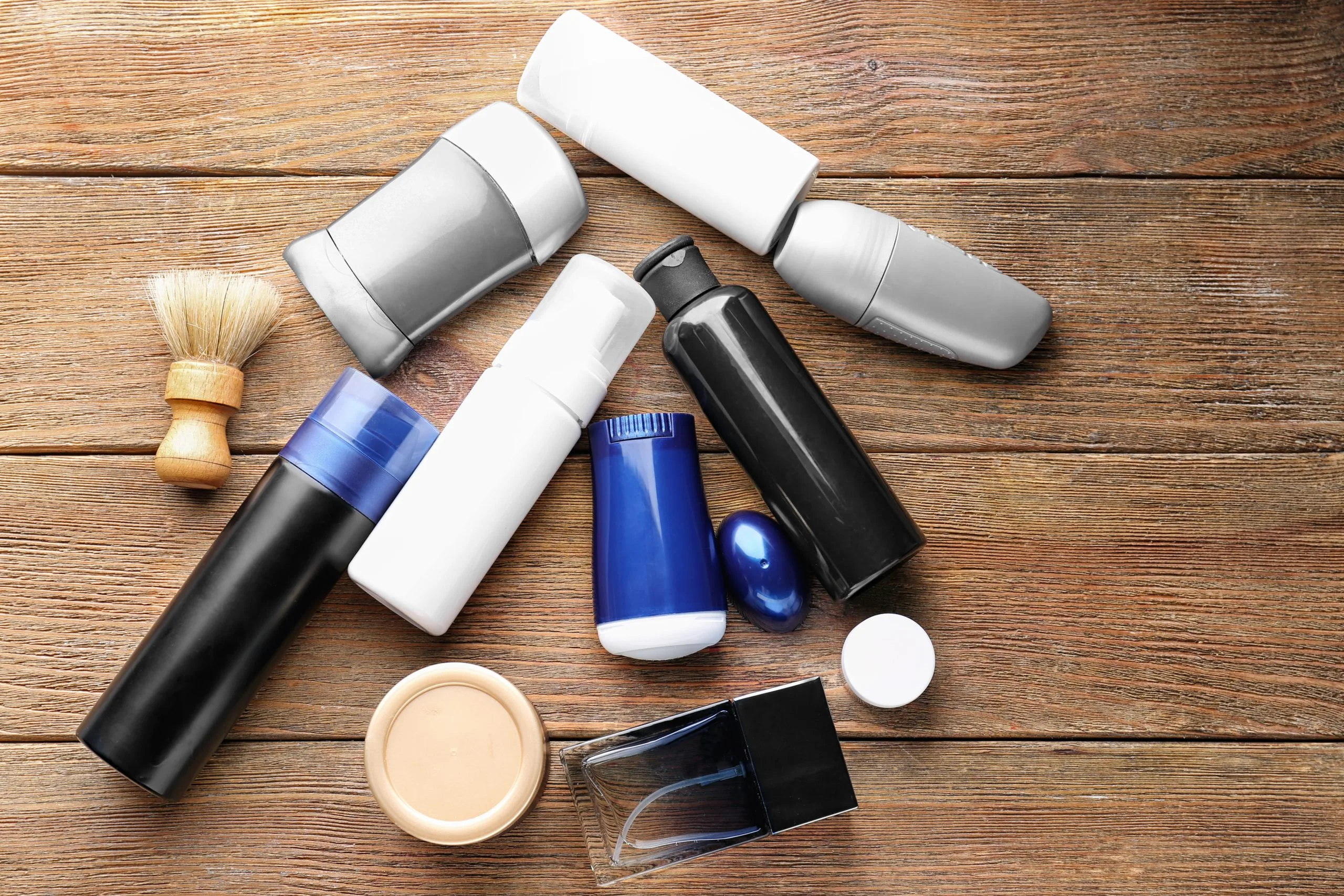
The male grooming category has quietly become one of the more interesting segments in the market. Beard care products, facial cleansers, anti-aging creams, and fragrance collections aimed at male consumers are appearing more frequently across retail shelves. Grooming is no longer viewed as a niche urban trend. Many brands now market these products as part of professional appearance and lifestyle maintenance. Premium skincare is also attracting attention from middle and upper-income households. Consumers are spending more on serums, dermatologically tested creams, and targeted treatments for pigmentation or acne. Yet there is a trade-off here. Premium products often depend on imported ingredients and packaging, making prices vulnerable to exchange rate fluctuations.
Government Regulations and Industry Support
South Africa has tightened oversight around cosmetics safety, labeling standards, and counterfeit goods in recent years. Regulatory bodies are placing greater emphasis on ingredient transparency and consumer protection. This matters because unregulated beauty products, especially skin-lightening creams sold through informal channels, have raised health concerns for years. The government has also shown interest in supporting local manufacturing and small beauty enterprises. While large multinational companies still dominate many premium categories, local brands are slowly gaining visibility through partnerships with retailers and online marketplaces.
Market Competition
The market remains fairly competitive, with global giants such as L’Oréal, Unilever, Procter & Gamble, and Beiersdorf maintaining a strong retail presence. Local players, meanwhile, often compete through affordability and products tailored for African consumers. One noticeable trend is the rise of hybrid retail strategies. Beauty companies are combining pharmacy partnerships, online stores, and influencer-led campaigns rather than relying on a single sales channel. That flexibility has become necessary in a market where consumer preferences shift quickly.
High Import Dependency and Pricing Pressure
A common challenge in South Africa’s beauty industry is its reliance on imported raw materials, packaging components, and premium finished goods. Currency volatility can quickly raise retail prices, particularly for skincare and fragrance products sourced from Europe or Asia. Counterfeit products also remain a concern. Informal retail channels sometimes sell imitation cosmetics at lower prices, creating pressure on legitimate brands while raising safety risks for consumers. In many cases, shoppers are not fully aware of the quality differences until adverse skin reactions occur.
Future Outlook
The South Africa beauty and personal care products market will likely continue evolving toward digital retail, personalization, and ingredient transparency through 2035. AI-based skincare analysis tools and customized beauty recommendations are already appearing in premium retail segments. Over time, these services may become more mainstream as technology costs fall. Local manufacturing is also expected to gain momentum, particularly for haircare and skincare categories tailored to African consumers.
Consultants at Nexdigm, in their latest publication “South Africa Beauty and Personal Care Products Market Outlook to 2035,” note that brands focusing on localized formulations, sustainable packaging, and stronger online engagement are likely to gain an advantage as consumer expectations continue to evolve.
To take the next step, simply visit our Request a Consultation page and share your requirements with us.
Harsh Mittal
+91-8422857704