
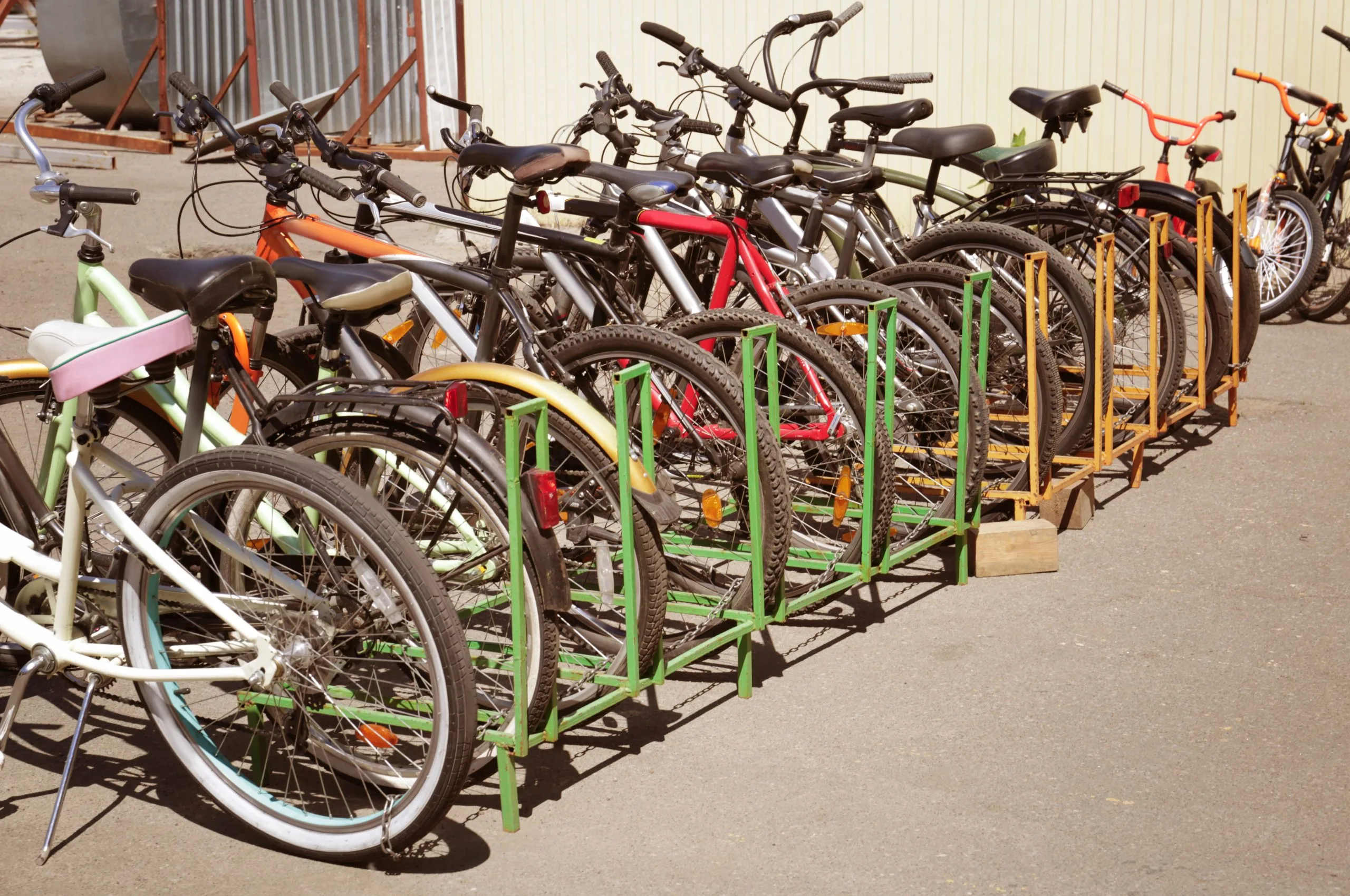
The South Africa bicycle market is expected to grow rapidly as cycling becomes more relevant for fitness, recreation, commuting, tourism, and affordable mobility. The market is growing at a 5.85% CAGR value. E-bikes are also gaining attention, with the South Africa e-bike market expected to reach USD 8.74 million in the coming years. Rising fuel costs, health awareness, and interest in sustainable transport are supporting long-term demand. This shows that bicycles are becoming useful not only for leisure but also for practical, everyday movement.
What Is Driving Growth in South Africa’s Bicycle Market?
Fitness, Recreation, and Outdoor Lifestyles Are Supporting Demand
Cycling is strongly linked with fitness, recreation, and outdoor activity in South Africa. Mountain biking, road cycling, leisure riding, and family cycling continue to support demand across different consumer groups. The country’s outdoor culture, scenic routes, and cycling events also encourage consumers to invest in better bicycles, accessories, and maintenance services. As more people look for healthier routines and active leisure options, bicycles are likely to remain relevant across both entry-level and premium segments. This creates opportunities for brands offering mountain bikes, hybrids, road bikes, children’s bicycles, and performance models. Cycling communities and organized events can also help keep consumer interest active throughout the year.
E-Bikes Are Making Cycling More Practical for Urban Users
E-bikes are gradually reshaping the market by making cycling more practical for commuting, delivery use, and longer-distance travel. South Africa’s e-bike market is growing rapidly. Demand is being supported by rising fuel prices, interest in low-emission mobility, and the need for flexible transport in urban areas. E-bikes can also attract riders who may not prefer conventional bicycles due to distance, terrain, or fitness limitations. As models become more reliable and service support improves, e-bikes could reach a wider group of everyday users. They may also become more useful for last-mile delivery, short commutes, and mixed transport journeys.
Affordable and Sustainable Mobility Is Creating New Use Cases
Bicycles remain relevant as cost-effective mobility tools, especially for short-distance travel. In a market where transport costs can pressure household budgets, bicycles provide a low-maintenance alternative for selected commuting and local trips. Sustainable mobility is also gaining policy attention, with non-motorized transport seen as a way to improve air quality and reduce emissions in South African cities. For students, workers, and local commuters, bicycles can offer practical value when routes are safe and accessible. This makes cycling relevant across both economic and environmental priorities. As cities focus more on inclusive mobility, bicycles can play a stronger role in short-distance transport planning.
Government Support Is Encouraging Active Mobility in South Africa
Government and city-level initiatives support bicycle adoption through non-motorized transport planning. South Africa’s Department of Forestry, Fisheries and the Environment notes that non-motorized transport infrastructure is a basic requirement for encouraging people to walk or cycle, while also contributing to improved air quality and lower urban emissions. UNEP also highlights Cape Town’s vision to increase cycling and walking through safer bicycle and pedestrian networks. These initiatives can help improve rider confidence, support active mobility, and create stronger long-term demand for bicycles and related services. Better infrastructure can also make cycling more practical for lower-income commuters who need affordable transport options. Over time, safer and more connected routes could help shift cycling from recreation toward regular mobility.
Competitive Landscape of South Africa’s Bicycle Market
The South Africa bicycle market includes international brands, domestic distributors, specialty bike shops, mass retailers, e-bike companies, component suppliers, and service providers. Competition is shaped by price, durability, performance, product range, and after-sales support. Mountain bikes, commuter bicycles, children’s bikes, road bikes, and e-bikes serve different consumer needs. Premium brands focus on performance, lightweight materials, and specialist retail support, while value brands compete on affordability and accessibility. As e-bike demand grows, battery reliability, warranty support, and service networks will become stronger than differentiators. Brands that offer trusted products with accessible service are likely to build stronger customer loyalty.
Challenges facing the South Africa’s Bicycle Market
Safety and Infrastructure Gaps Remain a Barrier
Safety remains a key barrier to wider bicycle adoption in South Africa. Many urban areas still lack connected, protected, and well-maintained cycling infrastructure. Traffic risks, theft concerns, limited secure parking, and uneven road conditions may discourage regular bicycle commuting. Without safer routes and better integration with public transport, cycling may remain more recreational than mobility-led in many cities. Consumers need confidence that cycling is safe, convenient, and practical for daily travel. Investments in protected lanes, secure parking, and road safety awareness will be important for wider adoption.
Affordability and Service Constraints Can Limit Adoption
While bicycles can be affordable transport tools, quality bicycles and e-bikes can be expensive for many households. Imported components, currency movements, battery costs, and maintenance needs can increase ownership costs. E-bike adoption may also be slowed by limited-service support, spare parts availability, and consumer concerns around battery life. Brands will need practical pricing and reliable after-sales networks to build trust. Financing options and entry-level models may help make better-quality bicycles more accessible. Without affordable ownership and dependable servicing, growth may remain concentrated among recreational and higher-income riders.
Future Outlook
Looking ahead, South Africa’s bicycle market is expected to become more diverse, with demand across fitness cycling, recreation, commuter bicycles, e-bikes, tourism, and affordable mobility solutions. Growth will depend on safer cycling infrastructure, better urban planning, product affordability, and stronger service networks. E-bikes are likely to grow gradually as consumers seek cleaner and more flexible transport options. Conventional bicycles will continue to serve recreation, youth, sport, and cost-conscious mobility needs. Brands that combine durability, accessible pricing, safety, product variety, and reliable after-sales service will be better positioned for long-term growth. As mobility and lifestyle needs evolve, bicycles can become a more visible part of South Africa’s transport and recreation landscape.
Consultants at Nexdigm, in their latest publication South Africa Bicycle Market Outlook to 2035,” analyzed the market by Product Type (Road, Mountain, Hybrid, Electric, Gravel, Kids Bicycle), by Price Range (Mass Market, Mid-Range, Premium Range), by Distribution Channels (Direct Sales, Online Retailers, Departmental Stores)
Nexdigm believes businesses bicycle industry must align product strategies with changing mobility and lifestyle needs. Companies should prioritise electric bicycles, commuter-friendly designs, safety features, financing options, and strong service networks to serve riders across fitness, recreation, tourism, and everyday transport.
To take the next step, simply visit our Request a Consultation page and share your requirements with us.
Harsh Mittal
+91-8422857704