
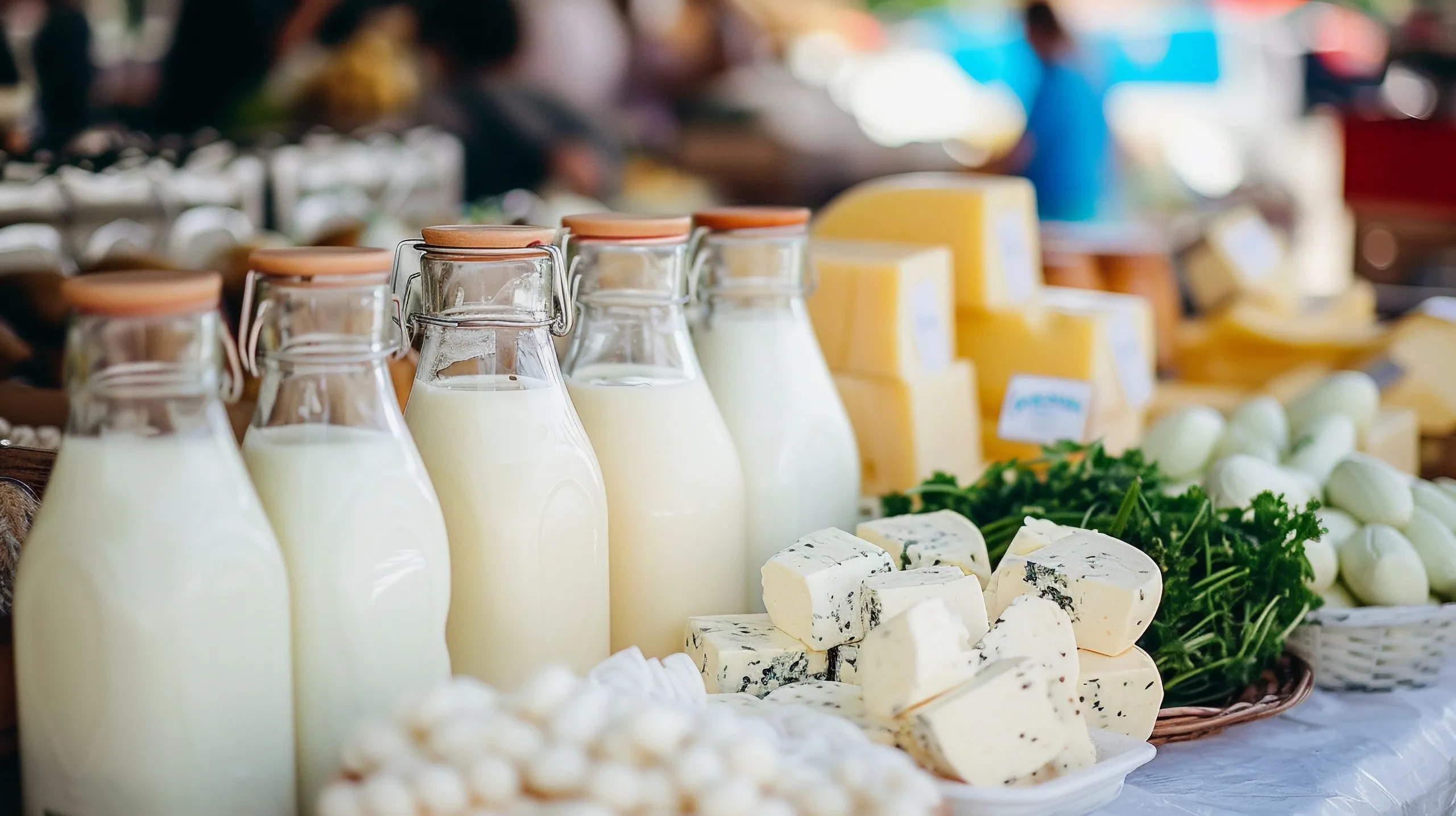
The South Africa dairy alternatives market is rapidly evolving as consumers shift toward healthier and more sustainable dietary choices. Products like almond, soy, and oat milk are becoming increasingly popular, particularly in urban centers such as Johannesburg and Cape Town. The market is already valued at over USD 565 million and is projected to grow significantly, potentially surpassing USD 1.7 billion in the coming years. This strong growth reflects changing consumer preferences, driven by lifestyle shifts, rising lactose intolerance, and increased exposure to global plant-based trends. What was once considered a niche category is now steadily becoming part of everyday consumption habits.
Key Growth Drivers of the South Africa Dairy Alternatives Market
Rising Health Awareness and Lactose Intolerance
One of the primary drivers of the South Africa dairy alternatives market is the growing awareness around health and nutrition. Consumers are increasingly opting for plant-based products that are perceived to be lower in cholesterol, lighter on digestion, and rich in essential nutrients. The demand is also supported by rising intolerance to lactose, prompting many consumers to seek dairy-free options. Fortified plant-based products—enriched with calcium, vitamin D, and protein—are making it easier for consumers to transition without compromising on nutrition. This shift reflects a broader move toward preventive healthcare and mindful eating habits.
Growing Vegan and Flexitarian Lifestyle Trends
The rise of vegan and flexitarian lifestyles is another major growth driver. Increasing awareness of environmental sustainability, animal welfare, and ethical consumption is encouraging consumers to reduce their reliance on traditional dairy. Urban populations, particularly younger consumers, are embracing plant-based alternatives as part of a modern lifestyle. The influence of global food trends, social media, and plant-based advocacy groups has helped mainstream these choices. This shift is evident in the growing presence of dairy alternatives across cafes, restaurants, and retail outlets, making them more accessible and socially accepted.
Expanding Retail and Product Availability
Retail expansion is significantly contributing to the growth of the South Africa dairy alternatives market. Supermarkets, health food stores, and e-commerce platforms are actively promoting plant-based products, improving accessibility across regions. Plant-based milk remains the dominant segment, with the overall market expected to grow at a CAGR of over 13%, indicating strong future potential. Additionally, innovations in flavors, formulations, and packaging are enhancing consumer appeal and encouraging repeat purchases, further strengthening the category.
Government Support Encouraging the South Africa Dairy Alternatives Market
Government and advocacy initiatives are gradually supporting the adoption of plant-based diets in South Africa. Campaigns promoting sustainability, healthier lifestyles, and food diversification are creating awareness among consumers. Organizations and industry groups are also working to highlight the environmental and nutritional benefits of dairy alternatives. While direct subsidies may be limited, these efforts are encouraging innovation and helping local producers explore plant-based opportunities within the food sector.
Competitive Landscape of the South Africa Dairy Alternatives Market
The South Africa dairy alternatives market is becoming increasingly competitive, with both international and local players entering the space. Global brands such as Danone and Oatly coexist with regional companies focusing on locally sourced ingredients and affordability. Companies are investing heavily in product innovation to improve taste and nutritional value, making plant-based alternatives more comparable to traditional dairy. Strategic partnerships with retailers and foodservice chains are further helping brands strengthen their market presence and expand reach.
Market Challenges in the South Africa Dairy Alternatives Market
Pricing Barriers and Affordability
Despite strong growth, pricing remains a major challenge. Dairy alternatives are often more expensive than conventional dairy products, limiting their adoption among price-sensitive consumers. This cost disparity is particularly noticeable in rural and low-income segments, where affordability plays a crucial role in purchasing decisions.
Limited Awareness Beyond Urban Areas
While urban areas are witnessing rapid adoption, rural regions still lag in terms of awareness and accessibility. Limited distribution networks and lower exposure to plant-based trends restrict market penetration. Addressing this gap through education and expanded retail presence will be critical to unlocking the market’s full potential.
Future Outlook
The future of the South Africa dairy alternatives market looks highly promising, with strong growth expected across all product categories. The market is projected to grow at a robust CAGR of over 13%, reflecting sustained consumer interest in plant-based diets. Innovation in product offerings, including fortified and functional foods, will continue to attract a wider audience. Additionally, increasing investment in local production and supply chains may help address pricing challenges over time. As awareness grows and accessibility improves, dairy alternatives are set to transition from a niche segment to a mainstream dietary choice, reshaping South Africa’s food and beverage landscape for years to come.
Consultants at Nexdigm, in their latest publication “South Africa Dairy Alternatives Market,” analyze the sector By Product Type (Almond Milk, Soy Milk, Oat Milk, Coconut Milk), By Formulation Type (Sugar Content, Fortification Level, Organic Penetration, Clean Label Preference).
Nexdigm suggests that businesses should focus on improving affordability, strengthening local supply chains, and expanding distribution networks to capture growth in the South Africa dairy alternatives market, while aligning products with rising health awareness, urban demand, and the increasing shift toward plant-based and sustainable consumption.
To take the next step, simply visit our Request a Consultation page and share your requirements with us.
Harsh Mittal
+91-8422857704