
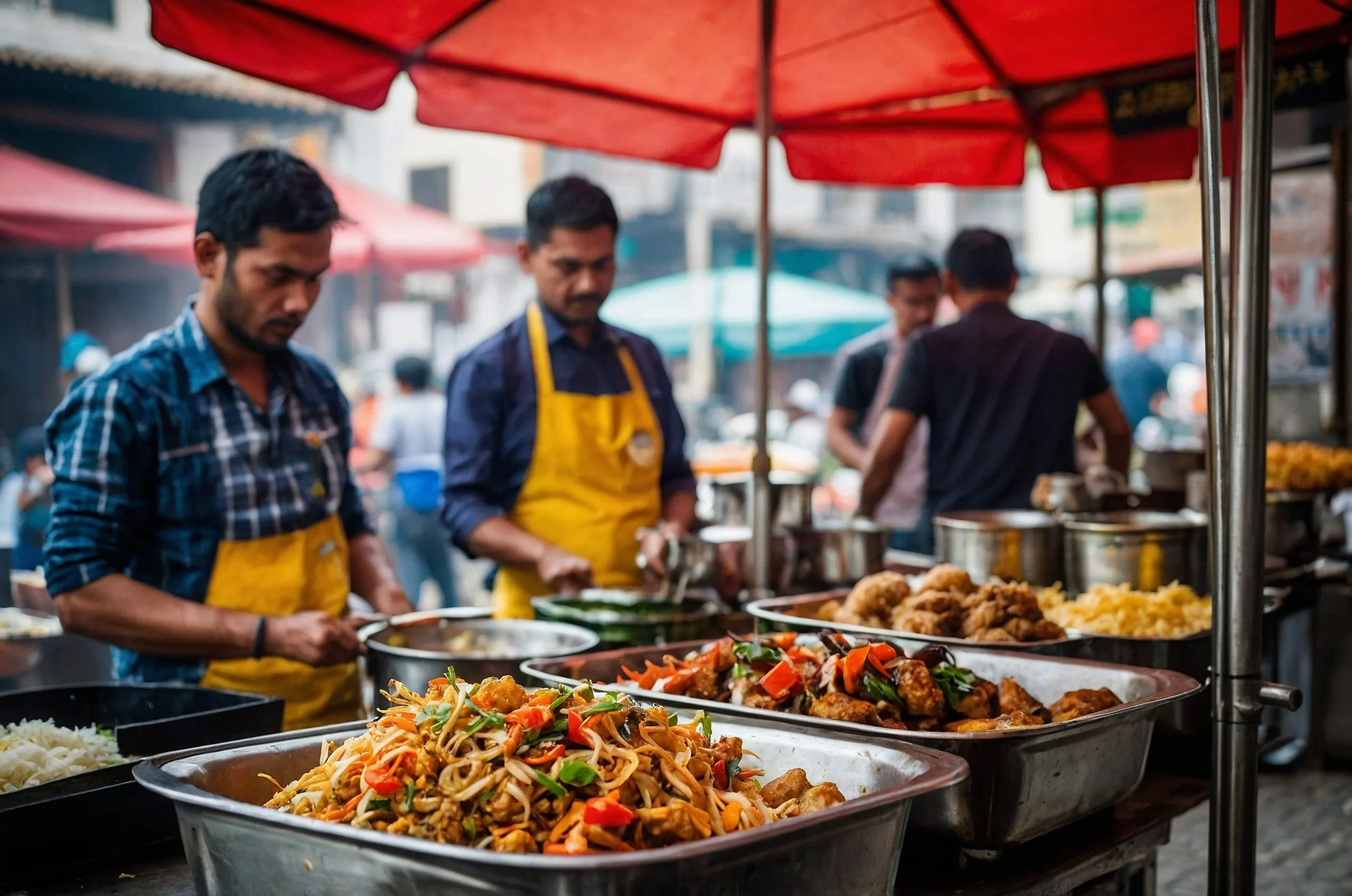
The South Africa foodservice market is gaining momentum as consumers increasingly turn to quick-service restaurants, takeaway meals, cafés, casual dining, and online food delivery. Busy urban lifestyles, tourism recovery, and demand for affordable prepared meals are reshaping how people eat and spend on food. The market is estimated at around USD 10.16 billion in 2025 and is projected to reach USD 20.11 billion by 2030. As consumer expectations evolve, foodservice operators are focusing on convenience, value, digital access, and consistent dining experiences.
Key market drivers are supporting South Africa’s foodservice expansion
Quick-service restaurants are gaining from value-focused consumers
Quick-service restaurants are one of the strongest growth areas in South Africa’s foodservice market. Many consumers are looking for affordable, convenient, and familiar meal options, especially in a cost-sensitive environment. QSR brands benefit from standardized menus, faster service, promotional pricing, and strong delivery integration. Chicken, burgers, pizza, coffee, and snack-based formats continue to attract demand across both urban and suburban areas. As consumers balance convenience with affordability, operators that offer value meals, combo options, and consistent quality are likely to maintain strong customer loyalty.
Digital ordering and delivery are becoming everyday habits
Online food delivery has become an important part of South Africa’s dining ecosystem. The country’s online food delivery services market generated about USD 3.26 billion in 2024 and is expected to reach USD 5.03 billion by 2030. App-based ordering, mobile payments, real-time tracking, and delivery promotions have made restaurant meals more accessible to consumers. This trend is also supporting cloud kitchens, delivery-first brands, and restaurants that want to reach customers beyond their physical outlets. Digital platforms are helping operators improve visibility and attract younger, tech-savvy consumers.
Tourism recovery and urban dining are adding growth opportunities
Tourism and urban dining are also supporting market growth, particularly in cities such as Cape Town, Johannesburg, Durban, and Pretoria. Restaurants, cafés, hotels, and entertainment-linked foodservice outlets benefit from domestic and international visitors. Local cuisine, casual dining, and experiential food concepts are gaining attention from both tourists and residents. As travel, events, and leisure activities continue to recover, foodservice operators in high-footfall locations are expected to benefit from stronger demand.
Government support and initiatives are improving sector participation
Government initiatives aimed at supporting small businesses, tourism, employment, and township economies can benefit South Africa’s foodservice sector. Support for SMEs and local entrepreneurship helps independent restaurants, cafés, catering businesses, and informal food vendors improve participation in the market. Tourism promotion also supports restaurants and hospitality-linked foodservice outlets in key destinations. In addition, food safety and business compliance frameworks are encouraging operators to improve hygiene, quality standards, and consumer trust.
Competitive landscape is becoming more value and delivery focused
South Africa’s foodservice market includes global chains, domestic QSR brands, independent restaurants, cafés, cloud kitchens, delivery platforms, and informal food vendors. Competition is strong as brands compete on pricing, convenience, quality, and location. Large operators are investing in digital ordering, delivery partnerships, loyalty programs, and menu innovation. Local and independent players often differentiate through regional flavors, personal service, and affordability. As the market expands, value positioning and operational consistency are becoming key competitive advantages.
Market challenges continue to affect restaurant profitability
Cost pressures are shaping pricing decisions
Foodservice operators in South Africa face pressure from rising food costs, electricity expenses, rent, labour, packaging, and delivery commissions. Power supply disruptions can also affect operations and increase reliance on backup energy solutions. These factors make margin management difficult, especially for smaller restaurants.
Price sensitivity can limit premium spending
Many consumers remain highly price conscious due to broader economic pressures. This can limit frequent dining out or spending on premium restaurant formats. Operators need to balance affordability, quality, and profitability while keeping menus attractive to a wide consumer base.
Future outlook
The future outlook for the South Africa foodservice market remains positive, supported by QSR expansion, online delivery growth, tourism recovery, and rising demand for convenient meal options. The market is projected to reach USD 20.11 billion by 2030, reflecting strong long-term potential. Opportunities are expected across quick-service restaurants, cloud kitchens, cafés, casual dining, and delivery-first formats. Businesses that focus on value, digital engagement, menu innovation, supply chain efficiency, and reliable service will be better positioned to capture future growth.
Consultants at Nexdigm, in their latest publication “South Africa foodservice market outlook to 2035,” analyze the sector By Service Type (Outlet Density, Average Ticket Size, Throughput Capacity), By Cuisine Type (Menu Diversity, Consumer Preference Index, Average Spend Per Visit)
Nexdigm suggests that businesses in the South Africa foodservice market should focus on value-driven menus, digital ordering, and delivery efficiency to serve price-conscious and convenience-seeking consumers.
To take the next step, simply visit our Request a Consultation page and share your requirements with us.
Harsh Mittal
+91-8422857704