
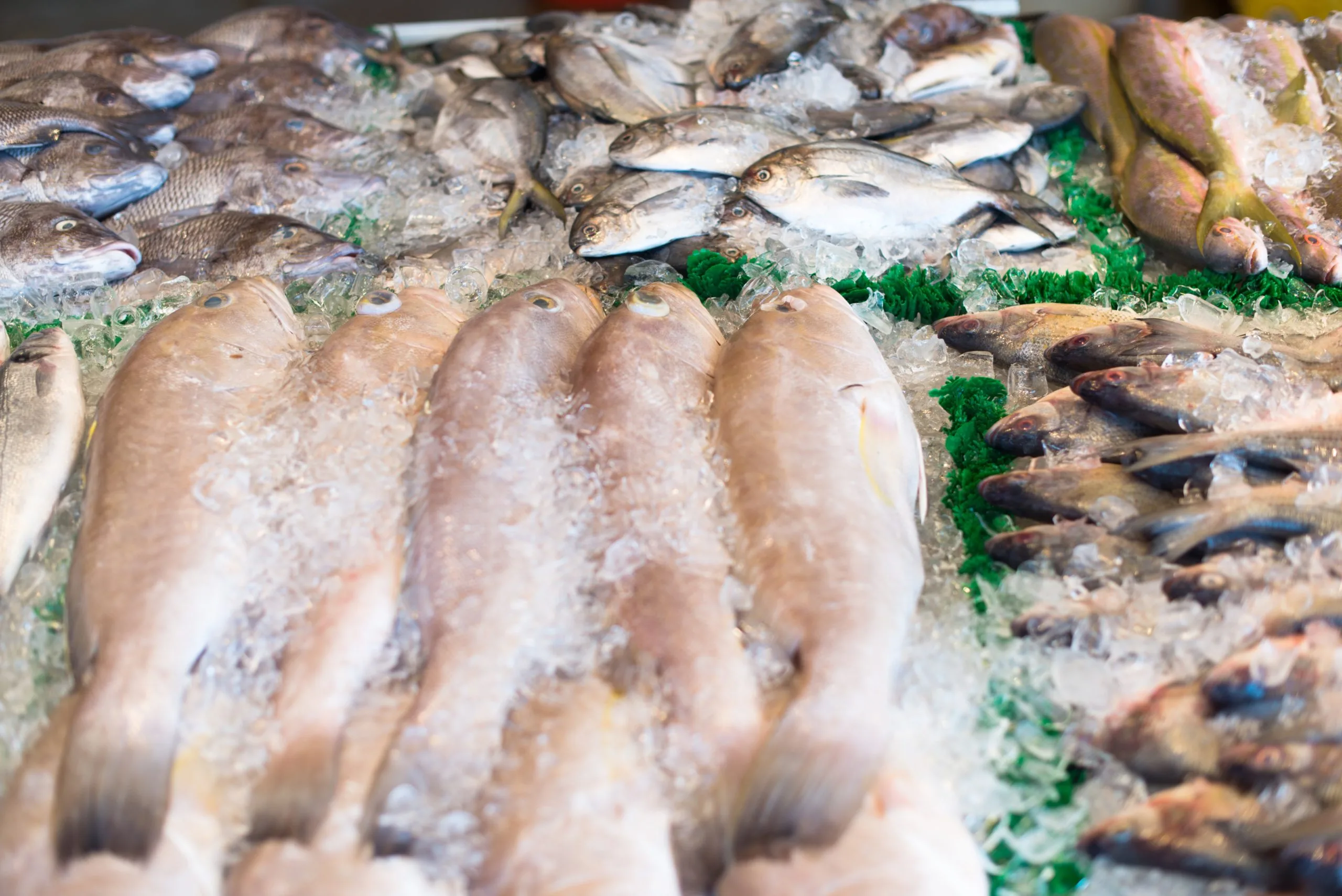
The South Africa Frozen Seafood Market is witnessing steady growth, driven by changing consumer preferences and the increasing need for affordable protein sources. The market is valued at over 500 million USD and continues to expand at a healthy pace due to strong retail demand. Despite relatively low per capita seafood consumption of around 5.5 kg, the market shows promising potential for growth. Frozen seafood has become a popular choice among households due to its convenience, affordability, and extended shelf life. Beyond the numbers, shifting urban lifestyles and evolving dietary patterns are gradually making frozen seafood more mainstream across South Africa.
Key Drivers Accelerating the South Africa Frozen Seafood Market Growth
Affordable Protein Demand and Changing Consumption Patterns
The South Africa Frozen Seafood Market is largely driven by the growing demand for cost-effective protein alternatives. Seafood, especially frozen fish, offers an economical option compared to other protein sources such as meat and poultry. With per capita consumption at approximately 5.5 kg, there is significant room for growth as consumer awareness increases. Frozen formats make seafood more accessible to a wider audience, especially in price-sensitive segments. Changing consumer habits, influenced by urbanization and global food trends, are also encouraging households to explore diverse seafood options. Over time, these shifts are expected to boost overall consumption levels.
Expansion of Retail and Supermarket Channels
Retail expansion plays a crucial role in the growth of the South Africa Frozen Seafood Market. Supermarkets and hypermarkets dominate the distribution landscape, offering a wide variety of frozen seafood products. The increasing presence of organized retail outlets ensures product availability and improves consumer trust. Promotions, private labels, and improved packaging are further enhancing sales. In addition, e-commerce platforms are gradually gaining traction, making it easier for consumers to access frozen seafood products. This growing accessibility is reshaping purchasing behavior across urban and semi-urban areas.
Strong Import Supply and Trade Networks
Imports play a vital role in meeting domestic demand in the South Africa Frozen Seafood Market. Key suppliers such as Namibia, China, and Morocco collectively account for nearly 48 percent of imports. These established trade relationships ensure a consistent supply of seafood products throughout the year. Frozen seafood, in particular, benefits from these networks due to its longer storage capabilities. The availability of diverse imported products also introduces consumers to a wide variety of seafood, further driving market expansion and diversification.
Government Support Influencing the South Africa Frozen Seafood Market
The South African government has been focusing on strengthening the fisheries sector through sustainable practices and regulatory measures. Policies aimed at marine conservation and responsible fishing are helping protect long-term supply. Efforts to support local fishing communities and improve infrastructure are also contributing to sector development. While large-scale aquaculture development is still evolving, ongoing initiatives are laying the groundwork for future growth. These measures are gradually enhancing market stability and encouraging responsible industry practices.
Competitive Dynamics in the South Africa Frozen Seafood Market
The South Africa Frozen Seafood Market is moderately competitive, with a mix of domestic players and international suppliers. Retail chains, wholesalers, and importers form the core of the competitive ecosystem.Brands compete on price, quality, and product variety, with frozen fish being the most dominant segment. Companies are also focusing on packaging innovations and product diversification to attract consumers. As competition intensifies, businesses are increasingly emphasizing value and convenience to maintain customer loyalty.
Key Challenges Affecting the South Africa Frozen Seafood Market
Low Consumption Levels and Awareness Gaps
A major challenge for the South Africa Frozen Seafood Market is relatively low seafood consumption compared to global averages. With per capita intake around 5.5 kg, consumer awareness remains limited. This creates a need for education and awareness campaigns to promote the benefits of seafood consumption. Overcoming this barrier is essential for unlocking the market’s full potential.
Price Fluctuations and Import Dependency
Dependence on imports exposes the market to price volatility and global supply disruptions. Changes in international trade conditions and logistics costs can directly impact local pricing. These factors create uncertainty for both businesses and consumers. Addressing supply chain vulnerabilities is therefore critical for long-term stability.
Future Outlook
The South Africa Frozen Seafood Market is expected to grow steadily, with projections indicating a CAGR of around 6.9 percent in the coming years. Rising urbanization, expanding retail infrastructure, and increasing demand for affordable protein will continue to drive market growth. Frozen seafood is likely to gain further traction due to its convenience and accessibility. Looking ahead, increased awareness, improved supply chains, and growing product innovation will shape the market’s evolution. With the right strategic focus, the industry holds strong potential to expand its footprint and meet the needs of a broader consumer base.
Consultants at Nexdigm, in their latest publication “South Africa Frozen Seafood Market Outlook to 2035,” analyze the sector By Species Type (Cape Hake, Horse Mackerel, Pilchards, Shrimps, Squid), By Product Form (Whole Fish, Fillets, Loins, Steaks).
Nexdigm suggests that businesses should align their strategies with the evolving dynamics of the South Africa Frozen Seafood Market by focusing on affordable product offerings, strengthening retail partnerships, and optimizing import sourcing to ensure consistent supply.
To take the next step, simply visit our Request a Consultation page and share your requirements with us.
Harsh Mittal
+91-8422857704