
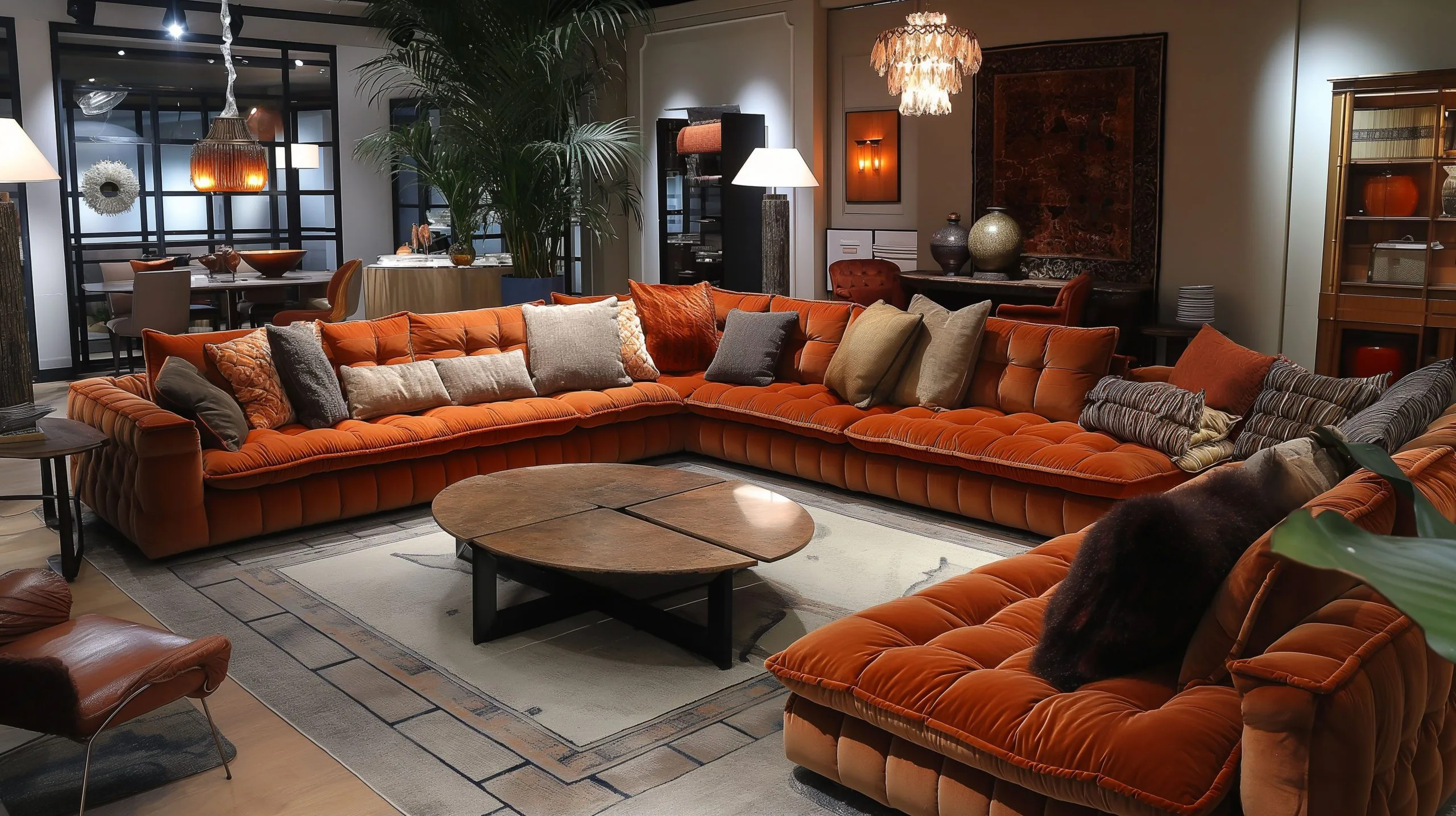
The South Africa furniture and home furnishing market is expanding as consumers invest in practical, comfortable, and better-designed living spaces. The market includes sofas, beds, wardrobes, tables, chairs, cabinets, mattresses, lighting, rugs, curtains, décor items, outdoor furniture, and furnishing accessories used across homes, offices, hospitality spaces, and commercial interiors. South Africa’s home furnishing market generated USD 6.50 billion in 2024 and is expected to reach USD 11.00 billion by 2030, growing at 9.2% CAGR. As households prioritize comfort, affordability, and functionality, furniture and furnishings remain important lifestyle purchases.
Key market drivers are strengthening furniture and furnishing demand in South Africa
Home improvement and replacement demand are supporting steady purchases
Home improvement activity is a key driver of furniture and home furnishing demand in South Africa. Consumers are upgrading living rooms, bedrooms, dining spaces, kitchens, home offices, and outdoor areas with furniture that improves daily comfort and usability. Replacement demand is also supported by wear and tear, moving homes, changing décor preferences, and the desire to make existing spaces more organized. Demand is rising for sofas, beds, storage units, mattresses, lighting, textiles, and affordable décor. Retailers that offer value pricing, durable products, room-based collections, and reliable delivery can better serve households across income groups.
Urban living and compact homes are shaping product preferences
Urbanization, apartment living, and changing household structures are increasing demand for space-efficient furniture. Consumers are looking for modular storage, sofa beds, compact dining sets, foldable desks, multifunctional tables, and practical wardrobes that help maximize limited space. This is especially relevant for young professionals, renters, students, and urban families. South Africa’s luxury furniture market generated USD 420.3 million in 2024 and is expected to reach USD 508.9 million by 2030, showing that premium interiors are also gaining traction among higher-income consumers. The market is therefore developing across both value and premium segments.
E-commerce and lifestyle-led retail are improving market access
Online platforms, digital catalogs, social media, and omnichannel retail are changing how South African consumers discover and buy furniture. Many shoppers compare prices, styles, financing options, delivery terms, and reviews online before visiting stores or completing purchases digitally.
Government initiatives and housing development are supporting market growth
Government housing programs, urban development plans, infrastructure investment, and support for local manufacturing indirectly support South Africa’s furniture and home furnishing market. New housing, rental moves, township upgrades, and residential renovation activity create demand for essential furniture, mattresses, storage products, and household furnishings. Policies that support small businesses and domestic production can also help local furniture makers improve market participation. At the same time, sustainability expectations and responsible sourcing practices are encouraging businesses to consider certified wood, recyclable materials, and efficient production.
Competitive landscape is becoming more value focused and digitally enabled
The South Africa furniture and home furnishing market includes large furniture chains, home décor retailers, department stores, e-commerce platforms, local manufacturers, informal furniture makers, premium brands, and independent stores. Competition is shaped by price, durability, design, financing, delivery speed, customization, warranties, and after-sales service. Value retailers serve price-conscious households, while premium and lifestyle brands target consumers seeking modern interiors and differentiated designs. Digital channels are becoming more important as consumers research products online before making purchase decisions.
Market challenges continue to affect affordability and supply planning
Household budget pressure can delay large purchases
Furniture and furnishing products are often discretionary purchases. Inflation, electricity costs, rent pressure, and household income constraints can cause consumers to delay upgrades or select lower-priced products.
Logistics and material costs can pressure margins
Furniture requires warehousing, transportation, delivery, and return handling. Changes in wood, fabric, foam, metal, fuel, and freight costs can affect retailer and manufacturer profitability.
Future outlook
The future outlook for the South Africa furniture and home furnishing market remains positive, supported by home improvement demand, urban living, digital retail growth, outdoor living trends, and interest in personalized interiors. Opportunities are expected across affordable furniture, modular storage, mattresses, home office furniture, outdoor furniture, lighting, décor accessories, sustainable materials, and premium interior products. As the market moves toward USD 11.00 billion by 2030, businesses that combine affordability, durability, localized design, financing options, omnichannel convenience, and efficient logistics will be better positioned to capture long-term growth.
Consultants at Nexdigm, in their latest publication “South Africa furniture and home furnishing market outlook to 2035,” analyze the sector By Product Category (Living Room Furniture, Bedroom Furniture, Dining and Kitchen Furniture, Office and Home Furniture), By Room Type (Living Room, Bedroom, Dining Room)
Nexdigm suggests that businesses in the South Africa furniture and home furnishing market should focus on affordable, durable, and space-efficient products that address home improvement, urban living, and lifestyle-led interior needs.
To take the next step, simply visit our Request a Consultation page and share your requirements with us.
Harsh Mittal
+91-8422857704