
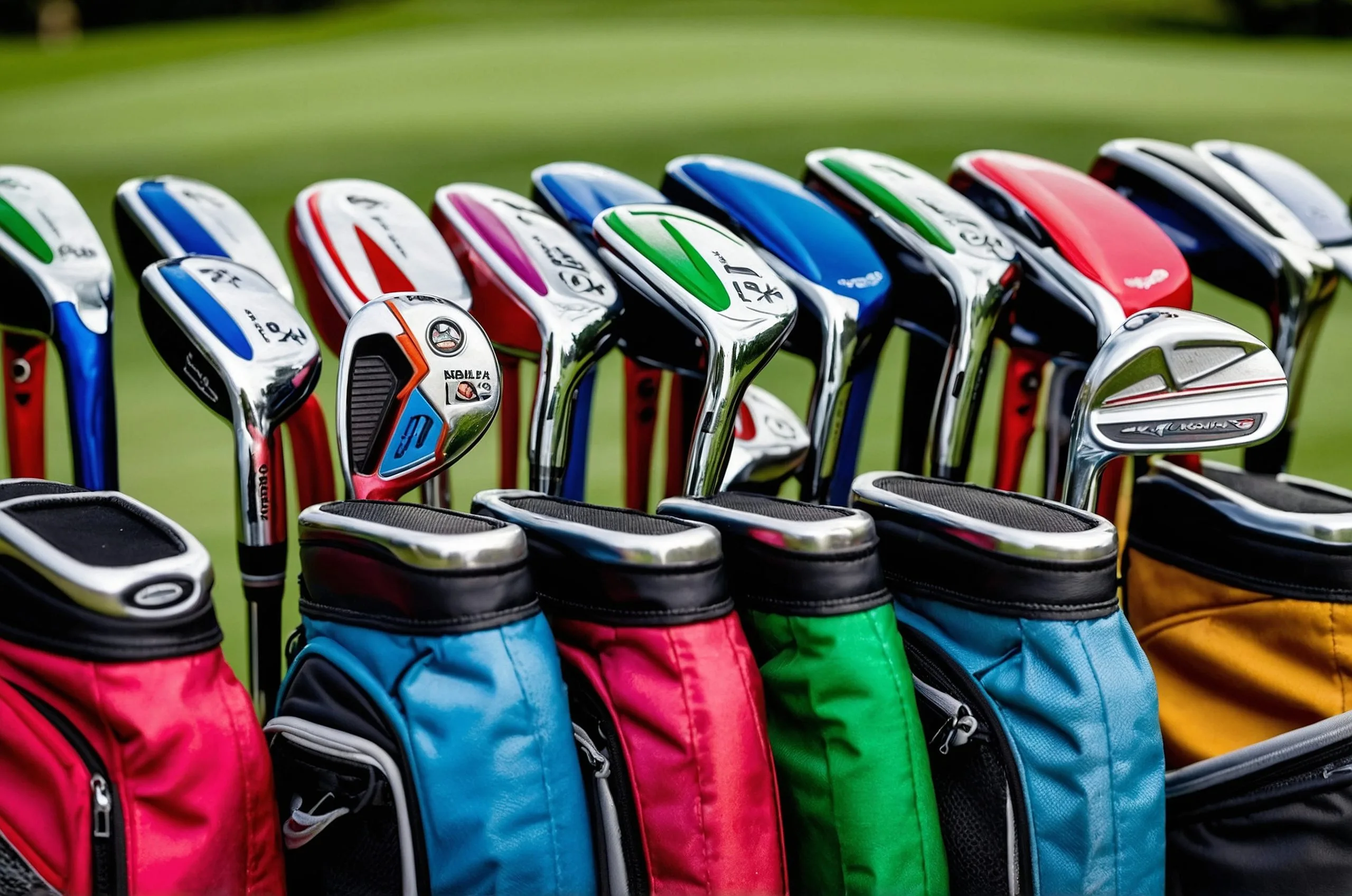
South Africa’s golf equipment market is moving into a steady growth phase, supported by the country’s long-standing golf culture, strong club network, and appeal as a golf tourism destination. Golf is no longer limited to traditional private clubs; it is gradually gaining interest among younger players, corporate professionals, estate communities, and recreational golfers. GolfRSA data shows that affiliated golfers increased from 129,118 to 145,635 in the last year, while the country had 437 affiliated clubs. This creates a strong base for demand across golf clubs, balls, bags, footwear, gloves, apparel, and training accessories. As participation widens and consumers seek better-performing products, the market is expected to see more consistent spending in the coming years.
What Is Driving Demand in the South Africa Golf Equipment Market
Growing Participation Across Clubs and Recreational Golf
One of the strongest drivers of the South Africa golf equipment market is the gradual rise in active and affiliated golfers. With more than 145,000 affiliated golfers recorded in last year, demand for replacement clubs, balls, gloves, shoes, and apparel is likely to remain consistent. Golf is also popular among corporate professionals, retirees, tourists, and estate-based communities, which supports spending on both premium and mid-range equipment. Many players also upgrade equipment as their skill level improves, creating repeat demand beyond first-time purchases. The presence of hundreds of clubs across the country gives brands and retailers a broad distribution network and creates regular demand through pro shops, tournaments, coaching academies, and club-level events.
Golf Tourism and Premium Course Experiences
South Africa is known for high-quality golf courses located in major tourism regions such as the Western Cape, KwaZulu-Natal, Gauteng, and the Garden Route. Golf tourism supports equipment rentals, branded merchandise, travel bags, accessories, and performance apparel. International and domestic visitors often purchase golf balls, gloves, caps, shoes, and other accessories during travel. Premium estates and resort-style courses also strengthen demand for high-end clubs, customized fitting services, and performance technology, particularly among affluent golfers. As travel-linked sports spending increases, golf venues are likely to become important sales points for equipment and accessories.
Technology-Led Upgrades and Premium Product Demand
Innovation is reshaping how golfers choose and buy equipment. Golfers are increasingly interested in lightweight clubs, distance-enhancing balls, smart wearables, launch monitors, swing analyzers, and custom-fitted equipment. Globally, the golf equipment market is projected to grow rapidly, reflecting growing demand for advanced products. In South Africa, this trend is likely to benefit international brands, specialty retailers, e-commerce platforms, and golf academies offering data-driven fitting and coaching services. Better product awareness is also encouraging amateur golfers to invest in equipment that improves comfort, distance, consistency, and overall playing experience.
Role of Development Programmes in South Africa’s Golf Equipment Industry
Golf development initiatives are helping broaden the sport beyond traditional consumer groups. The South African Golf Development Board works to make golf more accessible to learners and talented players from underprivileged communities. It operates through national coaching programmes and has capacity to coach around 2,500 children per week across 10 regions. These programmes are important because they introduce new players to the sport at an early age and help create long-term participation. Support from sports bodies, golf associations, and development boards can gradually expand the future consumer base for entry-level equipment, junior clubs, balls, shoes, and training aids.
Competitive Environment in South Africa’s Golf Equipment Industry
The market includes global golf equipment brands, local distributors, pro shops, sporting goods retailers, online platforms, and second-hand equipment sellers. Leading international names such as Titleist, Callaway, TaylorMade, Ping, Mizuno, Wilson, Srixon, and Cobra compete across clubs, balls, bags, gloves, and accessories. Competition is shaped by product quality, brand reputation, pricing, custom fitting, sponsorships, club partnerships, and availability through both physical stores and e-commerce channels. As buyers become more value-conscious, retailers offering product advice, bundle deals, trade-ins, and after-sales support are likely to gain stronger customer loyalty.
Barriers Affecting the Growth of South Africa’s Golf Equipment Market
High Cost of Golf Equipment and Participation
Golf remains a relatively expensive sport, and the high cost of clubs, shoes, balls, apparel, coaching, and club memberships can limit adoption among younger and lower-income consumers. Premium imported equipment is especially vulnerable to exchange-rate fluctuations, import duties, and logistics costs, which may raise retail prices. For many beginners, the upfront cost of a full equipment set can delay entry into the sport. This makes affordability a key issue for brands and retailers trying to expand beyond established golfers.
Uneven Access to Golf Facilities and Starter Equipment
Although development programmes are expanding participation, golf is still concentrated among specific income groups and regions. Access to courses, coaching, and affordable starter kits remains uneven, especially outside major urban and tourism-linked areas. This could restrict faster growth unless brands, clubs, and associations invest in affordable equipment bundles, junior programmes, and community-based facilities. Wider access to practice ranges, rental equipment, and beginner-friendly coaching could help convert more first-time players into regular equipment buyers.
Future Outlook
The South Africa golf equipment market is expected to grow steadily supported by participation gains, tourism, premium golf estates, junior development, and technology-led product upgrades. Demand is likely to be strongest for golf clubs, balls, shoes, gloves, bags, and performance apparel. E-commerce and custom fitting services will become more important as consumers compare prices and seek personalized equipment. While affordability remains a constraint, broader development initiatives and growing interest in recreational sports should create long-term opportunities for both premium and entry-level golf equipment brands. In the coming years, brands that combine innovation, accessibility, and strong retail support are likely to be best positioned in the market.
Consultants at Nexdigm, in their latest publication “South Africa Golf Equipment Market Outlook to 2035” analyze the sector by Product Type (Golf Clubs, Golf Balls, Apparel, Accessories), by Distribution Channel (Online Platform Channels, Retail Stores), by End User Segment (Individual Golfers, Golf Courses and Clubs, Corporate and Institutional Users, Leisure).
Nexdigm suggests that businesses should focus on making golf equipment more accessible through affordable product bundles, junior kits, rental options, and wider availability across online and offline channels. Companies should also invest in custom fitting, technology-led products, and partnerships with golf clubs, academies, and tourism venues to capture both recreational and premium consumer demand.
To take the next step, simply visit our Request a Consultation page and share your requirements with us.
Harsh Mittal
+91-8422857704