
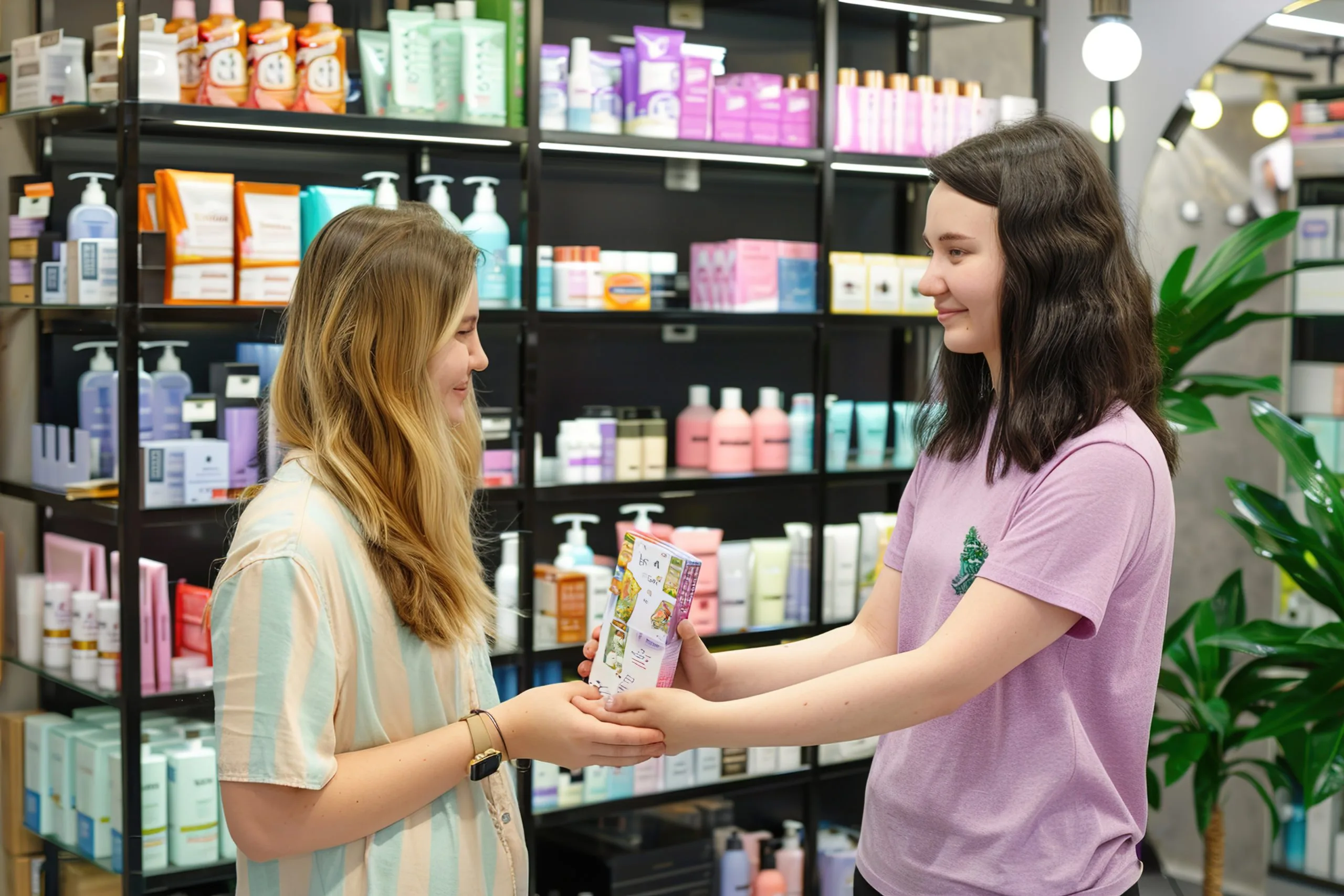
The South Africa hair care market is growing steadily as consumers become more focused on hair health, grooming, and products that match their specific hair needs. Hair care in the country is closely linked to texture, styling habits, climate, affordability, and cultural identity. Consumers are increasingly looking beyond basic shampoos and conditioners and choosing products that support moisture, strength, scalp care, curl definition, and protection from breakage. The market is projected to grow to USD 741.46 million in the coming years. This growth is expected to continue as demand rises for textured hair care, natural ingredients, and affordable premium products. South Africa’s diverse consumer base also gives brands room to develop solutions for different hair textures, lifestyles, and grooming routines.
Growth Drivers of the South Africa Hair Care Market
Rising Demand for Textured and Natural Hair Solutions
Textured hair care is one of the strongest growth areas in South Africa. A large share of consumers need products designed for curly, coily, kinky, and protective hairstyles. Market reporting indicates that 59.4% of South Africa’s population has kinky hair, creating strong demand for deep conditioners, leave-in creams, hair oils, curl-defining products, styling gels, edge-control products, and breakage-repair treatments. The natural hair movement is also influencing purchasing decisions. Many consumers are moving away from harsh chemical treatments and looking for gentler products with ingredients such as shea butter, coconut oil, castor oil, marula oil, baobab oil, aloe vera, and botanical extracts. Brands that understand moisture retention, scalp comfort, and curl care are better placed to build long-term consumer trust.
Growing Beauty Awareness and Everyday Grooming Needs
Beauty and grooming are becoming more important in everyday consumer spending across South Africa. Consumers are more informed about hair routines, ingredient safety, protective styling, scalp health, and damage repair. Social media, salons, beauty influencers, and online product reviews help shoppers understand which products work best for their hair type and concerns. The wider South Africa cosmetics and personal care products market is also expanding, supporting growth in hair care and creating more opportunities for brands across mass, premium, salon-grade, and natural hair care segments.
Expansion of E-Commerce and Organized Retail
E-commerce is changing how consumers discover and buy hair care products in South Africa. Online platforms allow shoppers to compare prices, read reviews, check ingredients, and access niche or international brands that may not be available in nearby stores. This is especially useful for consumers looking for specialized textured hair products or natural formulations. Supermarkets, pharmacies, beauty stores, salons, and online marketplaces are all helping improve such product availability. This wider access is making it easier for consumers to experiment with new brands while still choosing products based on affordability and visible results.
Government Regulations Shaping the Hair Care Industry in South Africa
Government support for local manufacturing, small business development, consumer protection, and product standards is helping strengthen South Africa’s broader personal care industry. These measures are important for local hair care brands, especially those developing products for textured hair, natural ingredients, and affordable daily-use solutions. Product safety, labeling, and quality standards also help build trust among consumers. Support for entrepreneurship and local enterprise development gives smaller beauty brands a chance to compete with established international players. As more homegrown brands enter the market, consumers are gaining access to products that better reflect local hair textures, climate conditions, cultural preferences, and price expectations.
Competitive Scenario in the South Africa Hair Care Market
The South Africa hair care market is highly competitive, with global, regional, and local brands competing across shampoos, conditioners, relaxers, oils, treatments, styling creams, and scalp care products. Companies compete through pricing, product quality, ingredients, distribution of reach, brand trust, and claims around moisture, repair, curl definition, and hair strengthening. Local brands are gaining attention by focusing on textured hair, natural ingredients, and culturally relevant messaging. International brands continue to benefit from strong availability across supermarkets, pharmacies, salons, beauty stores, and e-commerce platforms. However, consumers are becoming more selective and often choose products based on hair-type suitability, peer reviews, affordability, and visible performance rather than brand name alone.
Barriers Affecting South Africa Hair Care Market Growth
Affordability and Price Sensitivity
Affordability remains one of the biggest challenges in South Africa’s hair care market. While consumers are showing interest in premium, natural, and salon-grade products, many still prioritize price, pack size, and value for money. This creates pressure on brands to offer effective products at accessible price points. Frequent promotions and discount-led buying can also affect brand loyalty. Consumers may switch between products depending on price, availability, and recommendations, making it important for companies to combine affordability with consistent performance.
Product Suitability and Consumer Trust
Consumers with textured hair often need products that provide moisture, strength, slip, scalp comfort, and protection from breakage. Products that do not match specific hair textures or fail to deliver on claims may struggle to gain repeat purchases. Clear labeling and honest product positioning are becoming increasingly important. Counterfeit, low-quality, or overly harsh products can also reduce consumer confidence. As shoppers become more ingredient-aware, brands need to be transparent about formulas, benefits, usage, and suitability for different hair types.
Future Outlook
The South Africa hair care market is expected to maintain healthy growth in the coming years, supported by textured hair care demand, natural product innovation, e-commerce expansion, and rising awareness of scalp and hair health. Products such as deep conditioners, leave-in treatments, sulfate-free shampoos, curl creams, anti-dandruff products, hair oils, scalp treatments, and protective styling solutions are likely to see stronger demand. Brands that combine affordability, local relevance, clean ingredients, and proven performance will be better positioned for long-term growth. As consumers continue to seek products that match their hair texture, lifestyle, and budget, South Africa will remain an important market for inclusive and specialized hair care solutions.
Consultants at Nexdigm, in their latest publication South Africa Hair Care Market Outlook to 2035,” analyzed the market by Product Type (Shampoo, Conditioner, Hair Masks, Dry Shampoo, Hair Colorants, Hair Styling Products, Hair Growth and Anti Thinning Products), by Price Tier (Mass, Masstige, Prestige, Luxury Salon, Professional).
Nexdigm believes businesses in the hair care industry must focus on building trusted brands, creating effective products, and responding to evolving consumer preferences. By supporting regulatory, operational, tax, accounting, and compliance needs, Nexdigm helps companies simplify complexity and stay focused on sustainable growth and market expansion.
To take the next step, simply visit our Request a Consultation page and share your requirements with us.
Harsh Mittal
+91-8422857704