
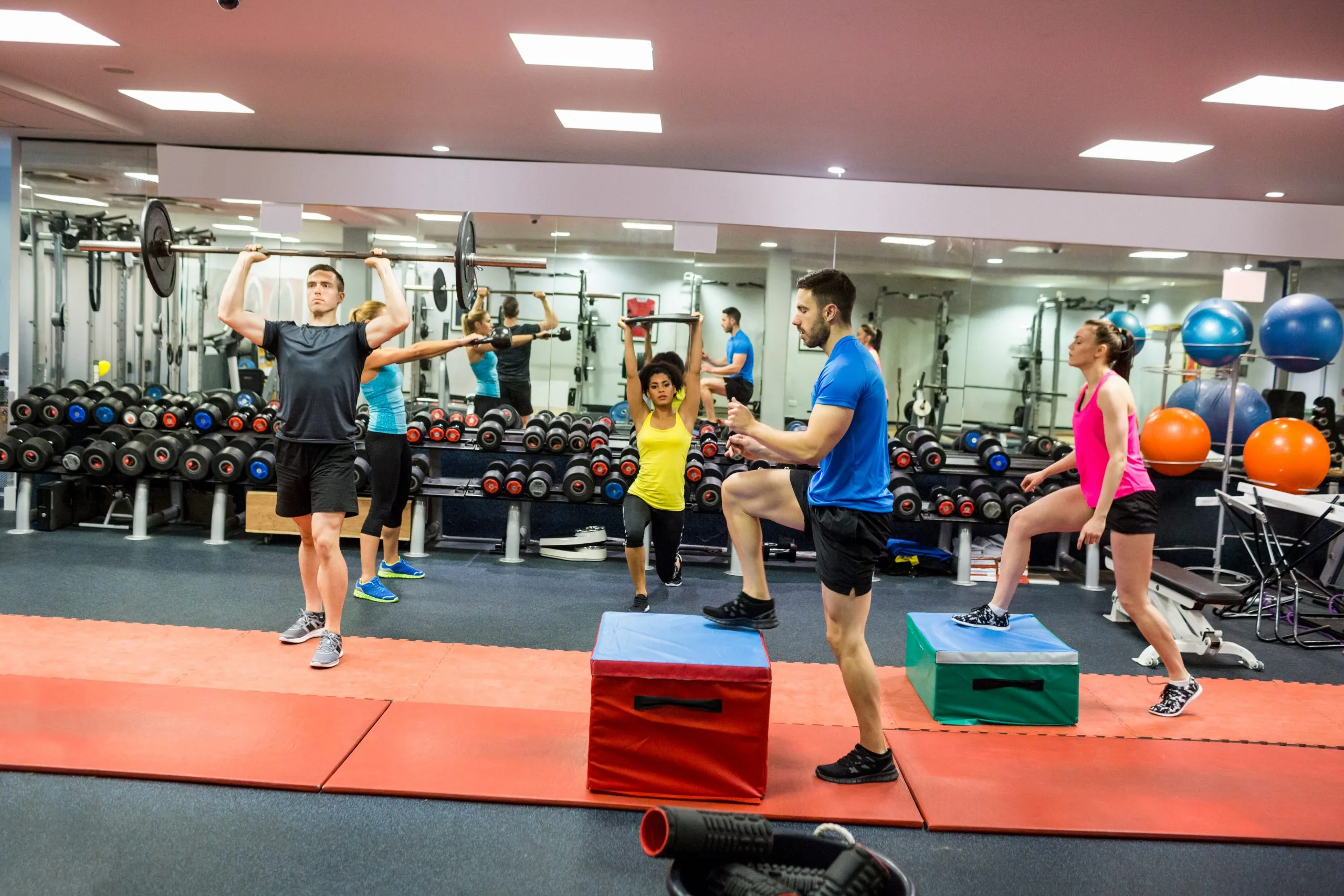
The South Africa health and fitness club market is experiencing steady growth as wellness and active lifestyles gain popularity across all age groups. With over 1.5 million fitness club members and around 3,500 gyms and studios nationwide, the market is becoming more accessible and diverse. Urban residents, particularly Johannesburg, Cape Town, and Durban, are driving demand for structured workouts, boutique classes, and hybrid fitness models. Consumers are increasingly looking for clubs that offer not just equipment but also guidance, social engagement, and holistic wellness experiences. Digital platforms and app-based workouts complement in-club sessions, providing flexibility for busy schedules. Fitness is evolving from a niche activity into a lifestyle choice that promotes physical, mental, and social wellbeing.
Key Factors Driving Fitness Club Growth in South Africa
Rising Health Awareness and Preventive Wellness
South Africans are becoming more health-conscious, with preventive wellness emerging as a major motivator for gym memberships. Regular exercise is increasingly seen as essential for managing weight, boosting energy, reducing stress, and preventing chronic conditions like diabetes and hypertension. Fitness clubs offer structured environments, professional guidance, and goal tracking that help members achieve long-term results. Group classes, personalized training, and functional fitness programs are becoming especially popular among young professionals and health-conscious adults. As wellness awareness spreads, gyms are transitioning into community hubs where people not only exercise but also learn about nutrition, recovery, and lifestyle habits.
Urban Lifestyles and Expanding Middle-Class Participation
Urbanization and rising disposable income are fueling fitness adoption in South Africa’s major cities. Professionals, students, and families value convenience, class variety, and quality facilities that fit their busy routines. Boutique studios offering specialized formats like yoga, cycling, Pilates, and HIIT are attracting lifestyle-driven consumers who prioritize social interaction alongside exercise. Middle-class households increasingly view memberships as investments in long-term health rather than luxury expenses. Fitness spending is becoming a lifestyle choice, and clubs that offer flexible memberships, engaging classes, and community experiences are building strong member loyalty. The trend is also encouraging expansion into tier-II and smaller cities.
Hybrid Fitness Models and Digital Integration
Technology is transforming how South Africans engage with fitness. Many clubs now offer hybrid models that combine in-club sessions with app-based or virtual workouts. Wearable fitness trackers, online classes, and performance monitoring tools help members stay connected and accountable. Hybrid fitness allows users to maintain routines from home or while traveling, increasing engagement and retention. Clubs that integrate technology and personalized coaching can attract tech-savvy members and create more tailored fitness experiences. This approach also opens opportunities for clubs to reach a wider audience and offer scalable, flexible services.
Government Initiatives Encouraging Active Lifestyle in South Africa
South Africa’s public health initiatives support active lifestyles and complement private fitness clubs. Programs promoting school sports, community fitness events, and outdoor activity spaces aim to embed physical activity into everyday life. Municipal investments in parks, walking trails, and public fitness equipment make exercise more accessible to the general population. By fostering health-conscious habits, these initiatives expand the potential market for gyms and wellness centers. Government campaigns also emphasize preventive care, raising awareness about long-term benefits of exercise. Together, these efforts help cultivate a population that values fitness as part of daily life.
Competitive Landscape of Fitness Clubs in South Africa
South Africa’s fitness market includes large national chains, local gyms, boutique studios, and digital-first platforms. International operators compete on facilities, professional training, and comprehensive services, while local gyms focus on affordability, community engagement, and location convenience. Boutique studios attract niche audiences with yoga, HIIT, cycling, and functional training formats. Digital services, such as app-based classes and virtual coaching, are increasingly integrated to retain members. Partnerships with corporate and wellness programs are expanding market reach. Clubs that combine premium services with community experiences and digital engagement are best positioned to stand out in a competitive environment.
Challenges Facing the South Africa’s Fitness Clubs
Price Sensitivity and Membership Value
While demand is growing, many South Africans are price-sensitive when it comes to fitness memberships. Membership fees are sometimes seen as discretionary spending, particularly among younger adults and students. Fitness clubs need to offer flexible pricing, tiered plans, and loyalty programs to attract and retain members. Clear communication of the value, such as results of tracking, wellness guidance, and social engagement, is crucial.
Retention and Long-Term Engagement
Maintaining consistent attendance is a challenge, as some members drop out once short-term goals are achieved. Clubs must focus on habit formation through personalized coaching, progress tracking, interactive classes, and community-building events. Hybrid and digital access can support members outside the club and enhance long-term engagement. Creating a welcoming and motivating environment helps ensure members stay committed to their fitness journey.
Future Outlook
The South Africa health & fitness club market is expected to evolve into a mature, diversified, and technology-enabled ecosystem. Growth will be driven by rising health awareness, urban lifestyle changes, corporate wellness programs, and increasing participation across demographics. Fitness clubs will expand into smaller cities, offering hybrid memberships, boutique experiences, and wellness-focused programs. Operators that prioritize personalized coaching, digital engagement, flexible memberships, and community-driven experiences are likely to gain the largest market share. Fitness will continue to become a core part of everyday life, shaping healthier lifestyles for millions of South Africans.
Consultants at Nexdigm, in their latest publication South Africa Health & Fitness Club Market Outlook to 2035,” analyzed the market by Club Type (Commercial Gyms, Budget Gyms, Health Clubs and Wellness Centers, Yoga and Pilates Studio, Sports and Athletic Clubs), by Service Offering (Cardio and Strength Training, Personal, Functional Training, Yoga and Pilates Studio, HIIT and Bootcamp, Cycling Studios, Aquatics and Sports Facilities).
Nexdigm believes businesses in the fitness care industry must focus on enhancing member experiences through personalized training, hybrid models, and digital engagement. Leveraging technology, wellness programs, and data insights allows operators to retain members, expand reach, and respond to changing consumer demands in preventive health, active lifestyles, and boutique fitness trends.
To take the next step, simply visit our Request a Consultation page and share your requirements with us.
Harsh Mittal
+91-8422857704