
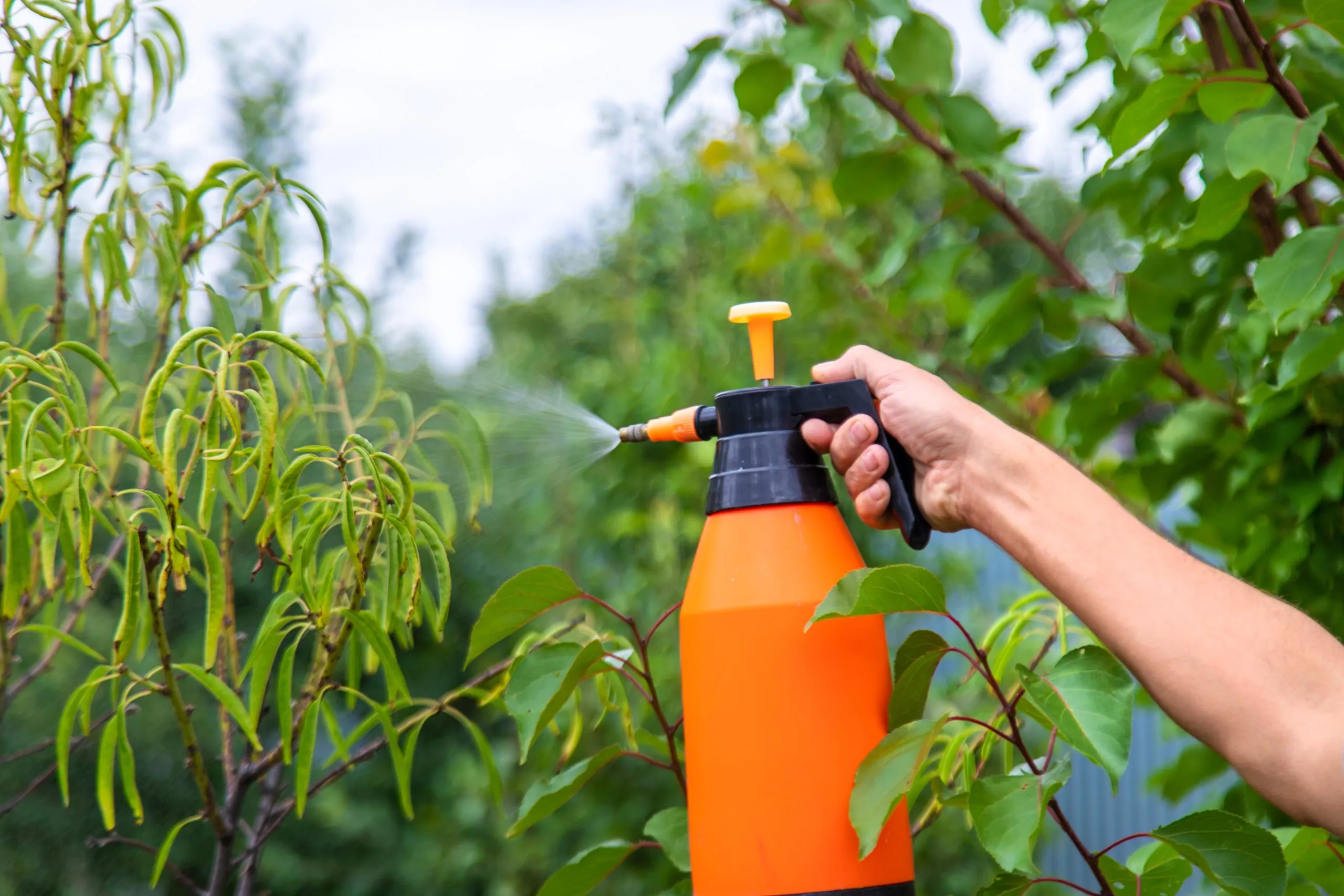
The South Africa herbicide market is expanding as farmers seek reliable weed control solutions to protect yields, improve farm efficiency, and support large-scale agricultural production. Herbicides are used across maize, wheat, sugarcane, citrus, grapes, vegetables, oilseeds, pastureland, and turf to manage weeds that compete for nutrients, water, sunlight, and space. South Africa accounted for 13.6% of Africa’s crop protection chemicals market in 2025 and is projected to grow at the fastest regional CAGR of 5.1% from 2026–2031. Demand is shaped by commercial farming, export crops, herbicide resistance, and precision agronomy.
Key market drivers are strengthening herbicide demand in South Africa
Commercial crop production is supporting consistent herbicide usage
South Africa has a well-established agricultural base, with maize, wheat, sugarcane, citrus, grapes, vegetables, oilseeds, and pastureland creating steady demand for weed control products. Herbicides help farmers manage weeds during critical crop growth stages, reduce manual labor dependency, and improve harvesting efficiency. In commercial farming systems, even moderate weed pressure can affect yield, quality, and profitability, making timely herbicide application important. The South Africa agrochemicals market was valued at USD 2.3 billion in 2025 and is forecast to reach USD 2.88 billion by 2031, growing at 3.8% CAGR. This broader agrochemical demand supports continued herbicide adoption across row crops, orchards, vineyards, and grazing systems.
Weed resistance is increasing demand for integrated programs
Weed resistance is becoming a more important issue where repeated use of similar active ingredients reduces product effectiveness. Farmers are increasingly using herbicide rotation, tank mixes, residual products, crop rotation, mechanical control, and integrated weed management to protect long-term performance. This shift is creating demand for technical advisory services, field-level support, and product stewardship. Companies that help growers select the right mode of action, timing, dosage, and application method can build stronger trust and reduce the risk of ineffective weed control.
Precision agriculture is improving application efficiency
GPS-guided equipment, calibrated sprayers, digital field mapping, drones, and variable-rate application are helping South African growers improve herbicide accuracy. These tools can reduce waste, improve coverage, and support more responsible chemical use.
Government regulations and agricultural priorities are shaping market growth
Government regulations influence South Africa’s herbicide market through pesticide registration, product labeling, residue standards, environmental rules, worker safety requirements, and import controls. Agricultural priorities around food security, export competitiveness, sustainable farming, and climate resilience also support demand for efficient crop protection tools. Extension services, research institutions, and industry stewardship programs encourage responsible herbicide use and integrated weed management. While compliance can increase costs for suppliers, it also improves product accountability, supports safer use, and strengthens confidence among farmers, regulators, and export buyers.
Competitive landscape is becoming more advisory and distribution focused
The South Africa herbicide market includes multinational agrochemical companies, domestic crop protection suppliers, generic herbicide producers, distributors, cooperatives, agronomy advisors, and precision agriculture service providers. Competition is shaped by product efficacy, crop compatibility, price, availability, regulatory approval, resistance-management support, and technical service quality. Commercial growers increasingly expect more than product supply; they need practical field advice and reliable application guidance. Companies with strong distribution networks, agronomic expertise, and stewardship programs are better placed to retain customers.
Market challenges continue to affect effective weed control
Resistant weeds can raise farm management costs
Herbicide-resistant weeds can reduce product effectiveness and force farmers to use more complex weed control programs. This increases input costs and creates demand for better rotation and integrated weed management.
Climate variability can complicate application timing
Irregular rainfall, drought conditions, and changing weed emergence patterns can affect herbicide performance. Farmers need flexible programs, correct timing, and climate-aware agronomic guidance.
Future outlook
The future outlook for the South Africa herbicide market remains positive, supported by commercial farming, export-oriented crops, weed resistance management, precision agriculture, and demand for higher farm productivity. Opportunities are expected across residual herbicides, pre-emergence products, pastureland weed control, orchard and vineyard applications, digital weed mapping, drone-based spraying, and integrated weed management services. As the South Africa agrochemicals market moves toward USD 2.88 billion by 2031, businesses that combine efficacy, affordability, regulatory compliance, farmer education, and precision application support will be better positioned to capture long-term growth.
Consultants at Nexdigm, in their latest publication “South Africa herbicide market outlook to 2035,” analyze the sector By Active Ingredient (Glyphosate, Glufosinate, Dicamba, Atrazine), By Crop Type (Corn, Soybean, Cotton, Wheat and Small Grains)
Nexdigm suggests that businesses in the South Africa herbicide market should focus on effective, compliant, and crop-specific weed control solutions that support maize, wheat, sugarcane, citrus, grapes, vegetables, oilseeds, and pastureland.
To take the next step, simply visit our Request a Consultation page and share your requirements with us.
Harsh Mittal
+91-8422857704