
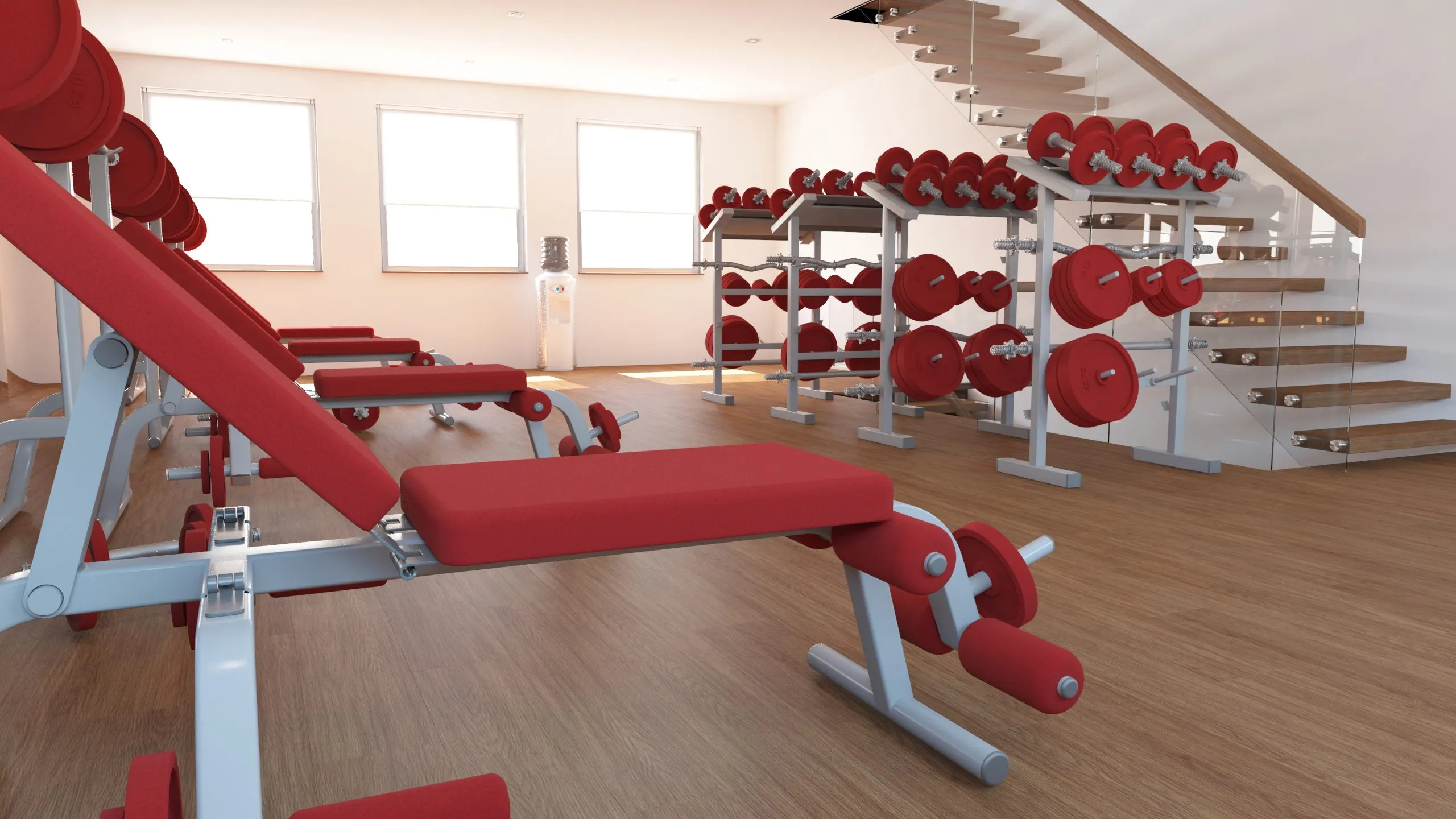
Home fitness is no longer just a trend in South Africa it is becoming a key part of daily routines. With busy urban lifestyles, rising health awareness, and an increased focus on preventive wellness, more households are investing in home fitness equipment such as treadmills, stationary bikes, adjustable dumbbells, and compact strength systems. The broader South Africa fitness equipment market is projected to reach around USD 830 million in the coming years. The demand is rising not only for basic home equipment but also for smart and connected solutions that integrate with digital apps, virtual coaching, and performance tracking. Urban residents are increasingly combining home workouts with gym memberships, blending convenience and flexibility.
Key Drivers of South Africa’s Home Fitness Adoption
Health and Wellness Take Center Stage
South Africans are becoming increasingly aware of lifestyle-related health issues, including obesity, diabetes, and cardiovascular conditions. Regular exercise is no longer optional but a preventive measure, and home fitness equipment allows consumers to maintain consistent routines without depending on gyms. Products like treadmills, resistance bands, dumbbells, and stationary bikes are gaining popularity, while multifunctional home gym systems offer complete workout options in compact spaces. Awareness campaigns on active lifestyles, nutrition, and wellness are driving interest in home-based exercise as a sustainable, long-term solution.
Convenience and Urban Lifestyles
Urban living and longer work hours in cities like Johannesburg, Cape Town, and Durban make gym visits less feasible for many residents. Home fitness equipment allows people to exercise at their convenience, whether early mornings, lunch breaks, or evenings. Foldable, compact, and multifunctional machines are particularly appealing for apartments and smaller homes. The flexibility to fit workouts around work and family schedules improves adherence to fitness routines. Convenience, time efficiency, and privacy have become the key motivators for adopting home fitness solutions in urban South Africa.
Digital and Connected Fitness Trends
Connected fitness equipment and app-enabled devices reshape home workouts. Products that track performance, offer guided workouts, and integrate with wearables make exercising more interactive and motivating. Smart treadmills, interactive bikes, and connected strength systems allow users to participate in gamified challenges and virtual classes. These technologies encourage consistent engagement, create measurable progress, and enhance the overall user experience. Digital integration is now a central driver for growth in the South Africa home fitness market.
Government Initiatives boosting South Africa Home Fitness Market
South African authorities and community programs are promoting physical activity and wellness through awareness campaigns, school initiatives, and community-based fitness programs. These initiatives aim to reduce lifestyle-related diseases and encourage a culture of preventive health. Although direct subsidies for home fitness equipment are limited, public campaigns highlighting obesity prevention, cardiovascular health, and active living are influencing consumer habits. Schools, workplaces, and community organizations increasingly support programs that encourage daily movement and healthy routines, indirectly boosting demand for home fitness solutions.
Competitive Landscape of South Africa’s Home Fitness Market
The South African market includes international fitness brands, local manufacturers, and e-commerce platforms offering products ranging from basic gear to premium connected systems. Competition is driven by quality, price, digital features, and after-sales service. Retailers that combine durable equipment with digital content, app integration, and financing options are gaining traction. E-commerce channels make products accessible beyond major urban centers. Brands providing engaging user experiences, reliable service, and localized support are best positioned to capture market share.
Market Challenges affecting Home Fitness Demand in South Africa
Cost and Affordability Challenges
Premium home fitness equipment, such as smart treadmills, interactive bikes, and connected strength systems, can be expensive. Subscription fees for digital content add ongoing costs, making adoption difficult for price-sensitive households. This may lead some consumers to choose budget equipment, second-hand options, or free online fitness programs. Flexible payment plans, mid-range products, and bundled packages are critical strategies to attract a wider audience.
Space Limitations and Long-Term Engagement
Many South African homes, especially apartments, have limited space, making bulky equipment impractical. Consumers prefer compact, foldable, and multifunctional machines that are easy to store. Maintaining consistent use is another challenge. Without progress tracking, engaging content, or community interaction, motivation can wane over time. Incorporating virtual coaching, gamified challenges, and reminders can improve adherence and maximize the value of home fitness equipment.
Future Outlook
The South Africa home fitness equipment market is expected to continue growing steadily in the upcoming years as health awareness, urban lifestyles, and digital adoption increase. Connected and smart equipment will play a central role, offering personalized workouts, progress tracking, and interactive content. Compact and affordable solutions for various household sizes will drive wider adoption. The integration of technology, convenience, and preventive health will define the market’s future. Brands that prioritize digital engagement, accessibility, and measurable results are best positioned to thrive in South Africa’s evolving home fitness landscape.
Consultants at Nexdigm, in their latest publication “South Africa Home Fitness Equipment Market Outlook to 2035” analyze the sector by Product Category (Cardiovascular Equipment, accessories and Support, Strength and Resistant Equipment, Smart Devices), by Price Category (Mass/Economy Tier, Mid-range Products, Premium Tier Equipment).
Nexdigm suggests that businesses should focus on offering affordable, space-efficient, and digitally connected home fitness solutions tailored to the target consumers. Companies should combine interactive apps, personalized workout programs, subscription-based content, flexible financing options, and strong after-sales support to drive engagement, customer loyalty, and sustainable growth in the South Africa home fitness equipment market.
To take the next step, simply visit our Request a Consultation page and share your requirements with us.
Harsh Mittal
+91-8422857704