
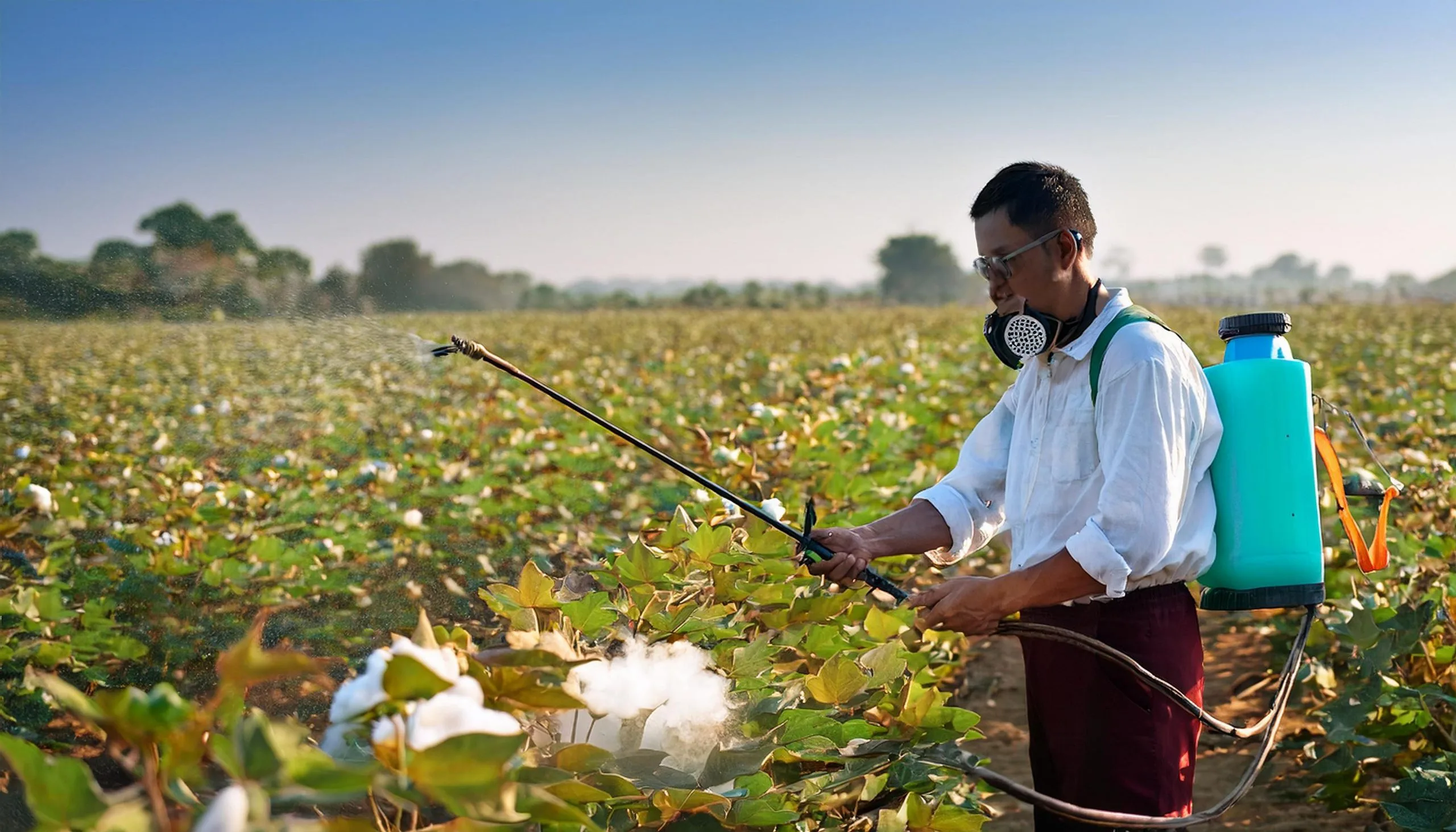
The South Africa insecticide market is expanding as farmers, households, pest control companies, and public health agencies seek reliable solutions to manage insect pressure across agriculture, residential, commercial, and community settings. Insecticides are used to protect maize, cereals, citrus, grapes, vegetables, sugarcane, turf, ornamental crops, stored products, homes, and public spaces. South Africa led the Africa insecticide market with 14.96% share in 2025 and is projected to grow at 5.24% CAGR through 2031. Demand is increasingly shaped by food production needs, export quality standards, pest resistance, and more responsible application practices.
Key market drivers are strengthening insecticide demand in South Africa
Commercial farming and export crops are supporting agricultural usage
Agriculture remains a major demand base for insecticides in South Africa, particularly across maize, grains, citrus, grapes, vegetables, sugarcane, and high-value horticulture. These crops are important for domestic food supply, farmer income, and export earnings. Pest outbreaks can reduce yields, damage product quality, and affect market access, especially where buyers require consistent quality and residue compliance. In Africa’s insecticide market, grains and cereals accounted for 43.02% share by crop type, reflecting the importance of staple crop protection. South African growers continue to rely on foliar sprays, seed treatments, biologicals, and integrated pest management to reduce crop losses.
Foliar treatments and seed treatments are driving product demand
Foliar application remains a key insecticide usage method because it allows farmers to respond quickly to active pest pressure during the growing season. Across Africa, foliar treatments accounted for 57.35% of insecticide usage, showing the importance of field-level pest control. Seed treatment demand is also gaining attention as farmers look for early-stage crop protection and better plant establishment. These solutions help protect crops during vulnerable growth stages while supporting more targeted pesticide use. Suppliers that can offer crop-specific recommendations and reliable field support can build stronger grower relationships.
Urban pest control and public health needs are widening applications
Insecticides are also used in households, food facilities, hospitality spaces, warehouses, schools, hospitals, and municipal programs. Mosquitoes, termites, cockroaches, ants, flies, and stored-product insects continue to support demand for professional and consumer pest control solutions.
Government regulations and agricultural programs are supporting responsible market growth
Government oversight in South Africa influences the insecticide market through pesticide registration, product labeling, food safety standards, residue limits, worker protection, and environmental regulations. Agricultural programs, extension support, and pest monitoring initiatives help promote more responsible pesticide use among growers. Export-oriented crops such as citrus and grapes also require compliance with strict buyer and destination-market standards, encouraging better application practices. While compliance can increase costs for suppliers and farmers, it supports safer products, stronger traceability, and greater confidence across domestic and export markets.
Competitive landscape is becoming more technical and sustainability focused
The South Africa insecticide market includes multinational agrochemical companies, domestic crop protection suppliers, biological product developers, distributors, cooperatives, pest control service providers, and household insecticide brands. Competition is shaped by product efficacy, price, registration status, crop coverage, residue compliance, distribution reach, and technical advisory support. Large growers often require specialized solutions and agronomic guidance, while small and mid-sized farmers need affordable and accessible products. Companies that combine reliable supply, farmer education, resistance management, and sustainable formulations can strengthen market positioning.
Market challenges continue to affect adoption and long-term effectiveness
Resistance and climate variability increase pest management complexity
Repeated use of similar insecticide chemistries can increase pest resistance and reduce effectiveness over time. Climate variability can also alter pest cycles, outbreak timing, and regional pest intensity.
Compliance and affordability can pressure farmers
Export residue standards, product registration rules, and rising input costs can affect purchasing decisions. Smaller farmers may face challenges accessing advanced products, technical advice, and proper application support.
Future outlook
The future outlook for the South Africa insecticide market remains positive, supported by commercial agriculture, export crops, urban pest control, public health needs, and rising adoption of integrated pest management. Opportunities are expected across biological insecticides, seed treatments, foliar sprays, termite control, mosquito-control products, digital pest monitoring, and precision application. As South Africa continues to lead Africa’s insecticide demand, businesses that combine efficacy, compliance, farmer education, affordability, and sustainability will be better positioned to capture long-term growth.
Consultants at Nexdigm, in their latest publication “South Africa insecticide market outlook to 2035,” analyze the sector By Product Category (Pyrethroids, Neonicotinoids, Organophosphates, Carbamates), By Application Sector (Row Crops , Fruits and Vegetables, Specialty Crops)
Nexdigm suggests that businesses in the South Africa insecticide market should focus on effective, compliant, and crop-specific pest control solutions that support maize, cereals, citrus, grapes, vegetables, and horticulture needs.
To take the next step, simply visit our Request a Consultation page and share your requirements with us.
Harsh Mittal
+91-8422857704