
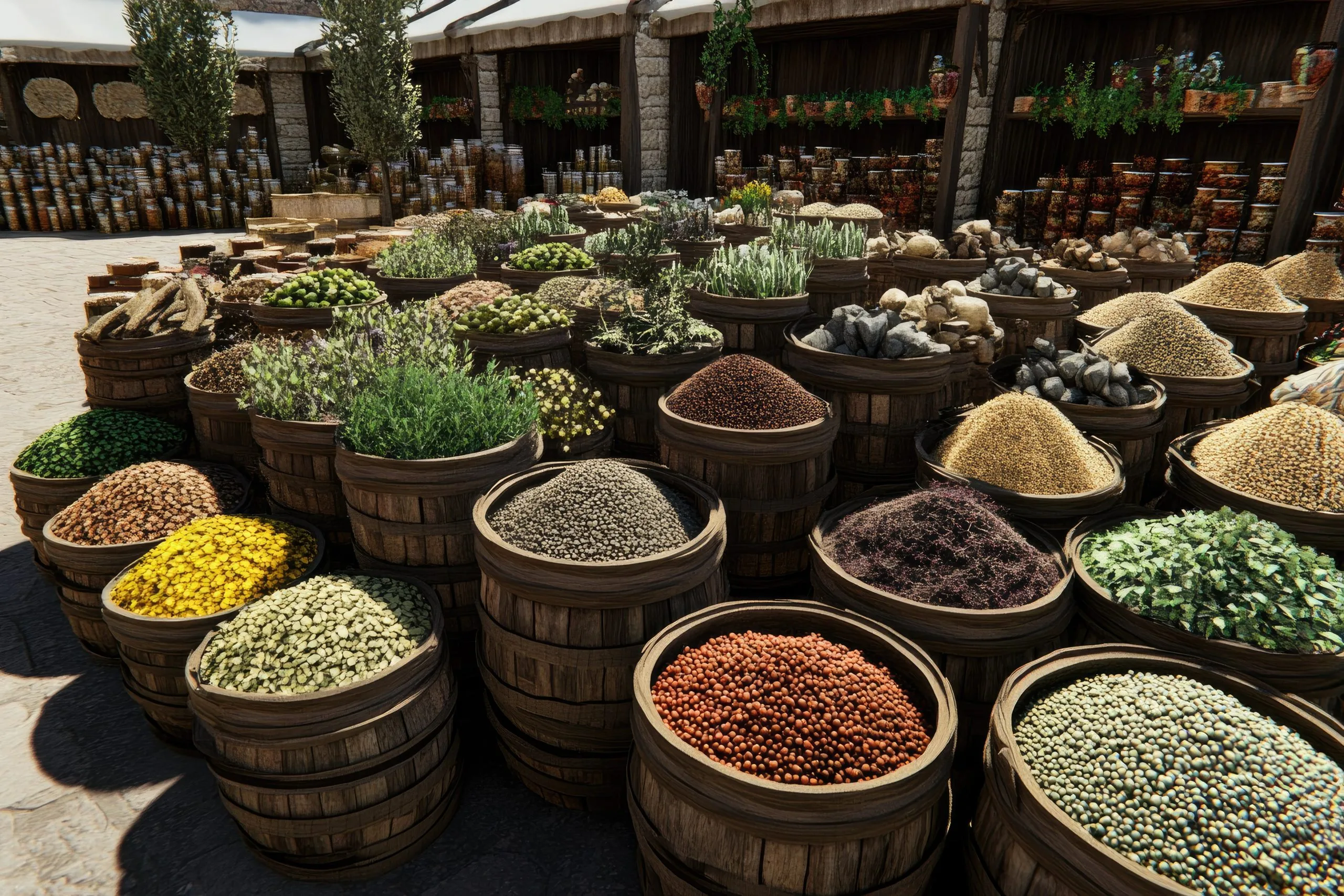
The South Africa micronutrient fertilizer market is experiencing steady growth as farmers increasingly focus on improving crop yields, soil fertility, and agricultural sustainability. Growing awareness of nutrient deficiencies in agricultural soils, particularly zinc, boron, iron, and manganese, is driving the adoption of specialized fertilizer solutions. South Africa’s commercial agriculture sector, which includes maize, citrus fruits, grapes, and sugarcane cultivation, continues to demand balanced crop nutrition programs to maximize productivity and crop quality. Additionally, the broader African micronutrient fertilizer market is projected to grow at over 7% CAGR, creating favorable conditions for market expansion across South Africa. As precision farming practices gain traction and growers seek greater returns from their land, micronutrient fertilizers are becoming an increasingly important component of modern nutrient management strategies.
Key Market Drivers Shaping the South Africa Micronutrient Fertilizer Market
Rising Demand for Higher Crop Productivity
One of the key drivers of market growth is the increasing need to improve agricultural productivity. Farmers are under pressure to maximize yields while maintaining soil health, particularly in the cultivation of major crops such as maize, citrus fruits, grapes, and sugarcane. Micronutrient deficiencies can significantly impact crop development, making balanced fertilization programs essential for sustained productivity. Commercial farming operations are increasingly adopting crop-specific nutrient management practices to optimize output and improve produce quality. As growers focus on yield enhancement and profitability, demand for micronutrient fertilizers is expected to grow steadily.
Expansion of Precision Agriculture and Soil Testing
The growing use of precision agriculture technologies is transforming nutrient management across South Africa. Farmers are increasingly utilizing soil diagnostics, nutrient mapping, and precision application systems to identify deficiencies and apply fertilizers more efficiently. Improved soil testing capabilities are helping growers better understand micronutrient requirements and adopt customized fertilizer programs. This trend is supporting the uptake of chelated and specialty micronutrient formulations that offer superior nutrient availability and crop response.
Growing Popularity of Zinc-Based Fertilization
Zinc fertilizers currently dominate the market due to widespread zinc deficiencies across South African agricultural soils. Zinc plays a critical role in enzyme activation, nutrient absorption, grain development, and overall plant growth, making it particularly important for maize, wheat, vegetables, and fruit crops. Agricultural cooperatives, agronomists, and fertilizer suppliers increasingly recommend zinc supplementation as part of integrated nutrient management programs. This has strengthened demand for zinc-based products and reinforced their leading position within the market.
Government Support Strengthening the South Africa Micronutrient Fertilizer Market
Government initiatives focused on sustainable agriculture, soil health improvement, and productivity enhancement are supporting market development. Programs promoting balanced fertilization and improved nutrient-use efficiency are encouraging farmers to adopt micronutrient fertilizers as part of broader soil management strategies. In addition, support for agricultural modernization and precision farming technologies is helping growers access better nutrient-management tools. These efforts are expected to contribute to long-term growth by improving awareness and encouraging best practices across the farming community.
Competitive Landscape of the South Africa Micronutrient Fertilizer Market
The market includes a mix of multinational fertilizer manufacturers, regional suppliers, agricultural cooperatives, and specialty nutrition providers. Competition is largely driven by product innovation, crop-specific formulations, agronomic support services, and distribution capabilities. Leading companies are focusing on chelated micronutrients, water-soluble products, and customized nutrient blends designed to improve nutrient uptake and crop performance. Partnerships with distributors and farming organizations continue to play an important role in expanding market reach and customer engagement.
Market Challenges Affecting the South Africa Micronutrient Fertilizer Market
Limited Awareness Among Smaller Farmers
While commercial growers have increasingly embraced micronutrient management, awareness levels remain lower among some smallholder farmers. Limited access to soil testing services and agronomic advice can reduce adoption rates and prevent effective nutrient management. Expanding educational initiatives and advisory programs will be essential to improve understanding of micronutrient deficiencies and their impact on crop productivity.
Higher Costs of Specialty Fertilizer Products
Chelated micronutrients and advanced fertilizer formulations often come at a premium price compared to conventional fertilizers. For cost-sensitive growers, particularly smaller farming operations, these higher costs may limit adoption despite their long-term agronomic benefits. Manufacturers must balance innovation and affordability to ensure broader market penetration and sustained growth.
Future Outlook
The future outlook for the South Africa micronutrient fertilizer market remains positive, supported by increasing adoption of precision agriculture, growing awareness of soil nutrient deficiencies, and rising demand for high-value crops. As farmers continue to prioritize yield optimization and sustainable farming practices, micronutrient fertilizers are expected to play a larger role in crop nutrition programs. Furthermore, the broader African micronutrient fertilizer industry is forecast to surpass USD 422 million and continue expanding at around 7% CAGR, creating additional growth opportunities for suppliers operating in South Africa. Companies that invest in innovation, farmer education, and crop-specific nutrient solutions will be well-positioned to capitalize on the market’s long-term potential.
Consultants at Nexdigm, in their latest publication “South Africa Micronutrient Fertilizer Market Outlook to 2035,” analyze the sector By Nutrient Type (Zinc Fertilizers, Boron Fertilizers, Manganese Fertilizers, Iron Fertilizers, Copper Fertilizers, Molybdenum Fertilizers), By Crop Type(Maize, Wheat, Citrus Fruits, Grapes, Sugarcane, Vegetables, Deciduous Fruits, Oilseeds).
Nexdigm suggests that businesses should focus on expanding crop-specific micronutrient fertilizer portfolios, strengthen soil-testing and agronomic advisory services, and leverage precision agriculture technologies to address widespread zinc and other micronutrient deficiencies. Investing in farmer education programs and affordable specialty nutrient solutions can help companies capitalize on the growing demand for yield optimization and sustainable agricultural practices across South Africa.
To take the next step, simply visit our Request a Consultation page and share your requirements with us.
Harsh Mittal
+91-8422857704