
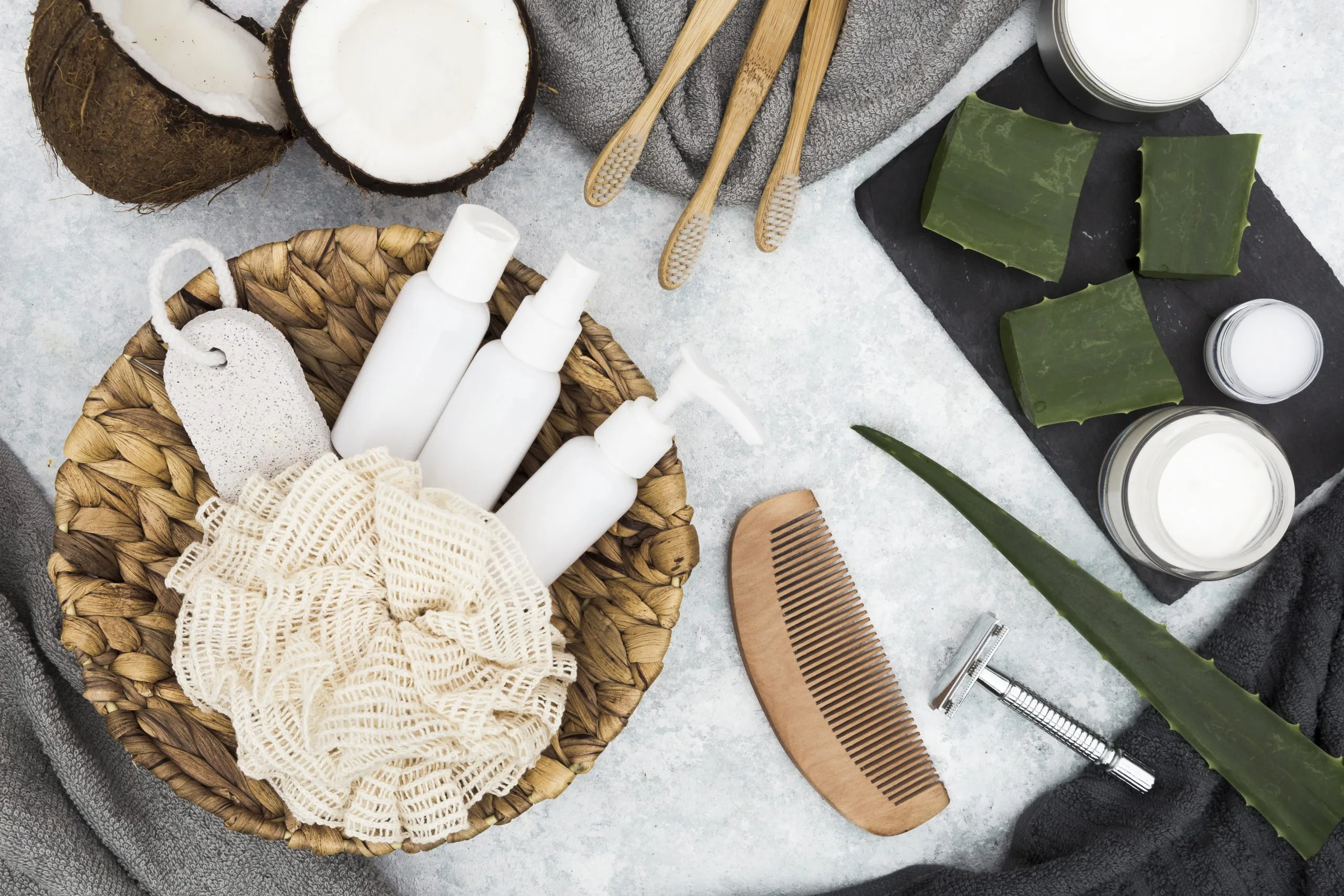
The South Africa organic personal care market is expected to grow steadily supported by rising interest in natural ingredients, skin health, sustainability, and safer daily-use beauty products. Consumers are becoming more cautious about harsh chemicals, synthetic fragrances, parabens, sulfates, and unclear product claims. While country-specific organic personal care estimates remain limited, the broader South Africa personal care products market is expected to grow at a CAGR of around 5%, while the global organic personal care market is projected to reach heights. As consumers look for products that feel safe, effective, and suitable for local beauty needs, organic personal care is gaining stronger relevance.
Factors Driving Growth in the South Africa Organic Personal Care Market
Natural Ingredients Are Becoming More Trusted by Consumers
South African consumers are becoming more ingredient-conscious, especially in skincare, haircare, body care, deodorants, and grooming products. Many shoppers are looking for products that feel safer, gentler, and suitable for everyday use. This is supporting demand for organic moisturizers, botanical oils, sulfate-free shampoos, natural soaps, body butters, and plant-based cosmetics. The trend is also linked to concerns around skin sensitivity, dryness, sun exposure, and hair texture-specific needs. Products made with aloe vera, shea butter, marula oil, rooibos, baobab, coconut oil, and other plant-based ingredients are gaining relevance because they are familiar, functional, and aligned with local beauty routines. Brands that can connect natural ingredients with visible performance benefits are likely to build stronger consumer trust.
Urban Beauty and Wellness Habits Are Expanding Demand
Urban consumers in Johannesburg, Cape Town, Durban, and Pretoria are becoming more exposed to global clean beauty, wellness, and premium personal care trends. Social media, influencers, pharmacies, specialist beauty stores, and online platforms are helping consumers discover organic and natural alternatives more easily. As beauty routines become more personalized, demand is increasing for targeted skincare, natural haircare, sun care, scalp care, and multifunctional products. This creates opportunities for brands that can combine organic positioning with practical benefits such as hydration, repair, protection, and sensitive-skin support. Consumers are also looking for products that fit South Africa’s climate, outdoor lifestyle, and diverse skin and hair profiles.
Sustainability and Ethical Choices Are Shaping Brand Preference
Sustainability is becoming more relevant in South Africa’s beauty and personal care market. Consumers are showing interest in cruelty-free claims, recyclable packaging, vegan formulas, responsibly sourced botanicals, and lower-impact production practices. This supports the growth of brands that can link natural ingredients with clear ethical and environmental value. Local sourcing can also become a competitive advantage. Brands that use South African botanicals responsibly and support community-linked supply chains may build stronger consumer trust and differentiation. Over time, ethical sourcing and transparent brand stories are likely to become more important as consumers compare both local and imported organic personal care products.
Regulatory Support for South Africa’s Organic Personal Care Market
South Africa’s cosmetics and personal care products are regulated under the Foodstuffs, Cosmetics and Disinfectants Act, with rules covering labeling, advertising, and product composition. Cosmetic products are generally intended for external use and must not make therapeutic or medical claims unless regulated under another category. These frameworks support consumer protection and product accountability. As organic personal care grows, clear labeling and responsible claims will be important for reducing confusion around natural, organic, botanical, and chemical-free positioning. Brands that communicate ingredients, usage, sourcing, and certifications clearly will be better placed to build trust with informed consumers.
Who Is Competing in the South Africa Organic Personal Care Market
The South Africa organic personal care market includes multinational companies, regional players, local natural beauty brands, pharmacy-led brands, and direct-to-consumer businesses. Key participants in the broader market include Unilever, L’Oréal, Procter & Gamble, Johnson & Johnson, Beiersdorf, Estée Lauder Companies, The Body Shop, Clicks private-label brands, Faithful to Nature, Esse Skincare, Africology, and local botanical product companies. Competition is shaped by ingredient authenticity, price, product performance, retail access, fragrance, packaging, certification, online visibility, and sustainability claims. Local brands can compete through familiarity with South African botanicals and consumer needs, while global players benefit from broader distribution, stronger brand recognition, and larger marketing budgets.
Challenges facing the South Africa Organic Personal Care Market
Premium Pricing Can Limit Wider Adoption
Organic personal care products often cost more due to certified ingredients, botanical extracts, smaller production volumes, testing, sourcing, and sustainable packaging. This can limit adoption among price-sensitive consumers, especially when conventional products are widely available at lower prices. For many shoppers, organic claims alone may not be enough to justify a higher price. Brands need to show clear value through product performance, skin or hair benefits, trusted ingredients, and pack sizes that fit different income groups.
Claim Confusion and Trust Issues Remain Barriers
Consumers may find it difficult to distinguish certified organic products from products marketed with broad terms such as natural, clean, herbal, or botanical. Without clear standards and transparent communication, vague claims can weaken trust and make shoppers more cautious. As the market becomes more competitive, brands will need to avoid exaggerated claims and support their positioning with credible labels, transparent ingredient lists, and clear sustainability information. This will be especially important for premium products that rely heavily on trust and differentiation.
Future Outlook
Looking ahead, the South Africa organic personal care market is expected to become more ingredient-led, sustainability-focused, and locally differentiated. Future demand will likely be shaped by organic skincare, natural haircare, sun care, botanical body care, refillable packaging, vegan products, and online-led product discovery. Companies that combine affordability, visible efficacy, transparent labeling, responsible sourcing, and products suited to local skin, hair, and climate needs will be better positioned to capture long-term growth. Local botanical ingredients and ethical sourcing could become key differentiators as clean beauty moves further into mainstream personal care. As consumers continue to connect beauty with wellness, safety, and environmental responsibility, organic personal care is likely to gain a stronger role in South Africa’s broader beauty and grooming industry.
Consultants at Nexdigm, in their latest publication South Africa Organic Personal Care Market Outlook to 2035,” analyzed the market by Product Type (Skin, Hair, Oral Care, Bath, Shower and Soap, Deodorants, Sun Care), by Price Tier (Mass, Masstige, Prestige, Premium Luxury Botanicals), by Distribution Channels (Natural and Specialty Retail, Club and Value Retail, E Commerce Platforms, Brand Owned DTC)
Nexdigm believes businesses in the personal care Industry must focus on ingredient transparency, product safety, and credible organic claims to build consumer trust. Companies should also invest in affordable premium products, sustainable packaging, digital-first distribution, and localized formulations that meet consumer demand for effective, natural, and environmentally responsible personal care solutions.
To take the next step, simply visit our Request a Consultation page and share your requirements with us.
Harsh Mittal
+91-8422857704