
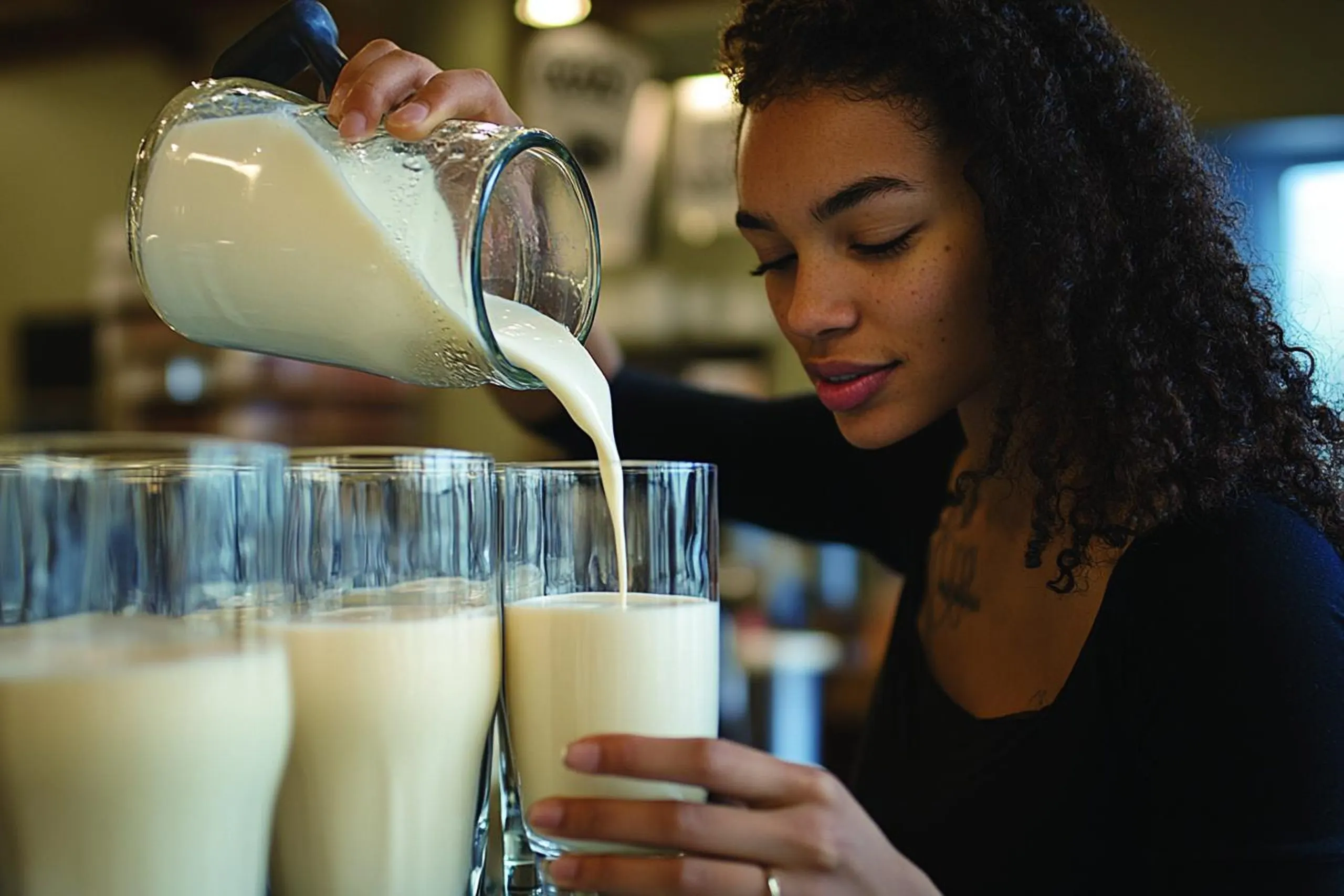
The South Africa Reconstituted Milk Market is witnessing strong growth as consumers increasingly seek affordable, convenient, and long-lasting dairy products. Reconstituted milk, produced by mixing milk powder with water, has become an important solution for addressing storage and distribution challenges while ensuring year-round dairy availability. The market generated approximately USD 4.87 billion in revenue and is projected to reach USD 9.63 billion, expanding at a CAGR of 8.9%. Growing urbanization, increasing demand for UHT milk, and the need for cost-effective dairy products are creating favorable conditions for market growth across households, institutions, and food-processing industries.
Key Growth Drivers Fueling the South Africa Reconstituted Milk Market
Rising Preference for Shelf-Stable and Affordable Dairy Products
One of the key factors driving the South Africa Reconstituted Milk Market is the growing demand for shelf-stable dairy products that offer longer storage life without refrigeration. Reconstituted and UHT milk products are increasingly preferred by consumers due to their convenience and accessibility, particularly in areas where cold-chain infrastructure remains limited. Affordability is another major advantage. UHT milk is often priced lower than fresh milk, making it an attractive option for price-sensitive consumers. As households continue to look for cost-effective nutritional options, reconstituted milk is emerging as a practical solution that balances affordability with nutritional value.
Expanding Applications Across Food Processing and Foodservice Sectors
The growing food and beverage industry is creating substantial opportunities for the South Africa Reconstituted Milk Market. Reconstituted milk is widely used in bakery products, confectionery, dairy beverages, desserts, infant nutrition products, and institutional food programs. Manufacturers value its flexibility, consistency, and ease of storage. The foodservice sector is also increasing its consumption of reconstituted milk products due to their operational efficiency and reduced wastage. As restaurants, cafés, hotels, and catering services expand, demand for shelf-stable dairy ingredients is expected to grow steadily.
Strong Utilization of Milk Powder and UHT Dairy Products
The market benefits from South Africa’s well-established dairy-processing sector. Industry data indicates that more than 131 million kilograms of unprocessed milk were utilized for full-cream milk powder production, while over 51 million kilograms were used for skimmed milk powder manufacturing. These volumes demonstrate the importance of milk powder within the country’s dairy value chain. Powder-based reconstituted milk remains the dominant segment because it supports industrial dairy applications, seasonal demand balancing, and affordable nutrition programs. Growing consumer acceptance of UHT products further strengthens market demand.
Government and Dairy Sector Support Strengthening the South Africa Reconstituted Milk Market
Government initiatives focused on food security, agricultural development, and nutrition are indirectly supporting the South Africa Reconstituted Milk Market. Continued investments in dairy farming, milk processing infrastructure, and supply chain improvements help ensure consistent dairy availability across urban and rural regions. In addition, policies supporting local food production and nutritional access encourage dairy manufacturers to improve efficiency and expand product availability. These efforts contribute to a stronger and more resilient dairy ecosystem while supporting long-term market growth.
Competitive Landscape of the South Africa Reconstituted Milk Market
The South Africa Reconstituted Milk Market is led by integrated dairy processors, UHT milk specialists, and established food companies with strong retail and distribution networks. Competition is driven by product quality, pricing, aseptic processing capabilities, powder sourcing, and nationwide distribution reach. Market participants are increasingly focusing on fortified dairy products, innovative packaging solutions, and value-driven product offerings to attract consumers. Strategic partnerships with retailers, foodservice providers, and institutional buyers are also helping companies strengthen their market positions.
Key Challenges Facing the South Africa Reconstituted Milk Market
Limited Cold-Chain Infrastructure and Supply Volatility
Although reconstituted milk benefits from limited refrigeration requirements, broader supply chain challenges can still affect market performance. Variations in milk production, logistics costs, and dairy commodity prices can influence profitability and market stability. Manufacturers must continue investing in efficient procurement and inventory management systems to ensure reliable and cost-effective product availability.
Competition from Fresh and Alternative Dairy Products
Fresh milk remains a preferred option for many consumers due to perceptions related to taste and freshness. Additionally, plant-based beverages such as almond, oat, and soy milk are gaining visibility among health-conscious and environmentally aware consumers. To remain competitive, companies need to emphasize affordability, nutritional benefits, shelf-life advantages, and product innovation while responding to changing consumer preferences.
Future Outlook
The future of the South Africa Reconstituted Milk Market looks highly promising, supported by increasing urbanization, rising dairy consumption, and growing demand for affordable nutrition. The market is projected to reach approximately USD 9.63 billion, reflecting strong long-term growth opportunities for dairy manufacturers and ingredient suppliers. Emerging trends such as fortified milk products, value-added nutrition, improved processing technologies, and wider retail penetration are expected to create additional opportunities. As consumers continue to prioritize convenience, cost-effectiveness, and long shelf life, reconstituted milk is expected to remain a vital part of South Africa’s evolving dairy industry.
Consultants at Nexdigm, in their latest publication “South Africa Reconstituted Milk Market Outlook to 2035,” analyze the sector By Product Type (Full Cream Reconstituted Milk, Low-Fat Reconstituted Milk, Fat-Free Reconstituted Milk), By End Use (Household Retail Consumption, HoReCa and Foodservice, Bakery, Confectionery and Processed Food).
Nexdigm suggests that companies should focus on affordable product innovation, supply chain optimization, fortified dairy formulations, and stronger foodservice partnerships to capitalize on the growing opportunities within the South Africa Reconstituted Milk Market.
To take the next step, simply visit our Request a Consultation page and share your requirements with us.
Harsh Mittal
+91-8422857704