
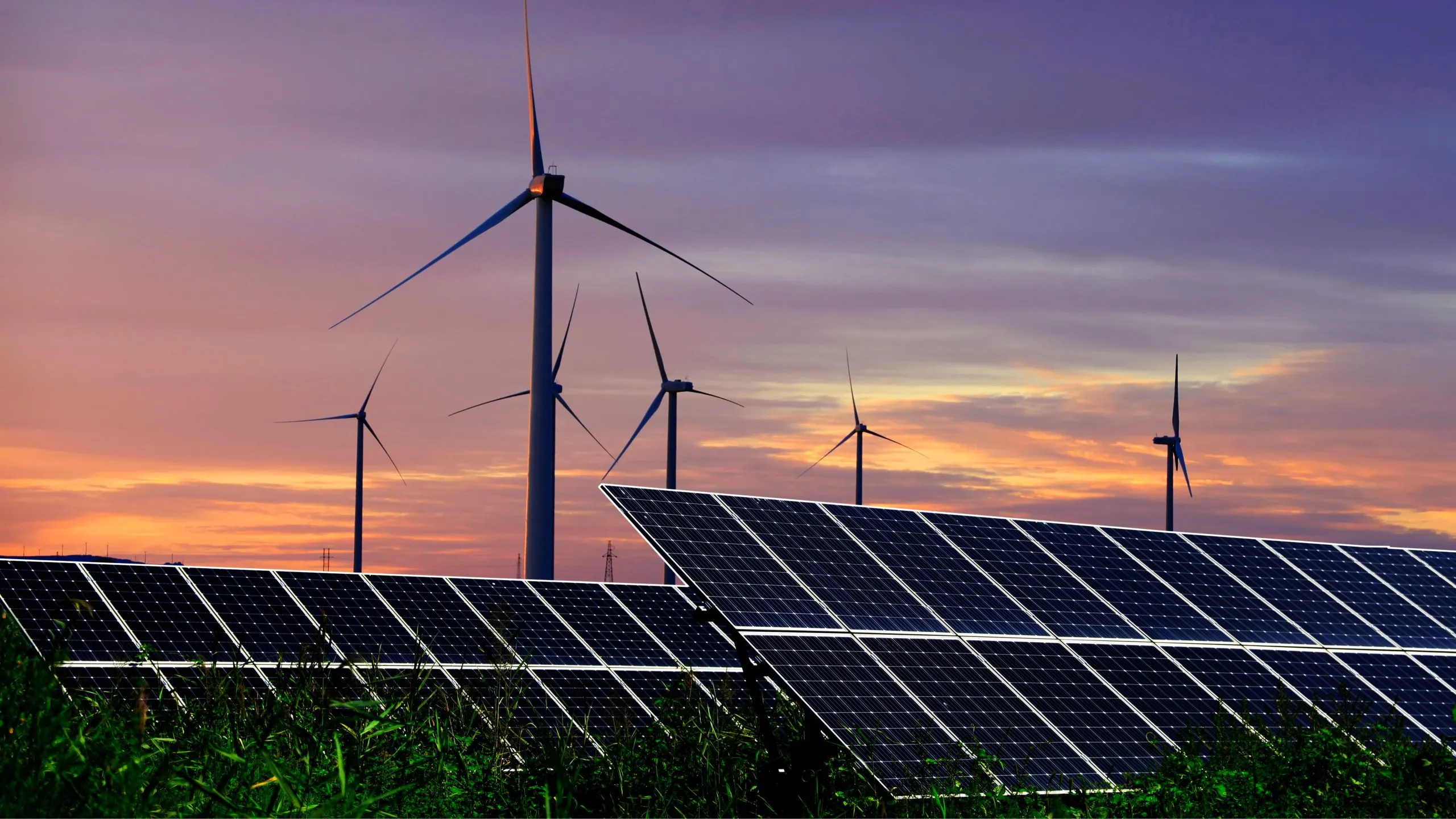
South Africa renewable energy market has moved well beyond the discussion stage and into a period of active transition. Years of rolling blackouts, rising electricity costs, and pressure to cut carbon emissions have forced both government bodies and private businesses to rethink how power is produced and consumed. Coal still dominates the country’s electricity mix, but the shift toward solar, wind, and battery storage is no longer limited to pilot projects or policy documents. By 2026, renewable energy installations are becoming a practical necessity for mines, factories, shopping centres, and even residential communities dealing with unreliable grid supply. In many parts of the country, energy security now matters as much as sustainability.
What’s Driving the Renewable Energy Market in South Africa?
Persistent Load Shedding and Industrial Pressure
Frequent electricity outages remain one of the biggest economic pain points in South Africa. Mining operations, manufacturing plants, and commercial facilities cannot afford repeated production disruptions, especially in sectors where downtime directly impacts exports and revenue. As a result, many companies have started investing in captive solar plants and hybrid power systems instead of waiting for grid stability to improve. On the ground, large industrial users are increasingly signing long-term renewable power purchase agreements to lock in predictable electricity costs. This is particularly visible in mining regions where energy-intensive operations require continuous supply. In practice, renewable energy is no longer viewed only as an environmental choice. It has become a financial and operational safeguard.
Falling Solar and Battery Costs
A few years ago, utility-scale solar and battery projects were still considered expensive for many African markets. That picture has changed quickly. Imported solar panels have become far more affordable, while battery storage systems are gradually reaching commercially workable pricing levels. South Africa also benefits from strong natural conditions for renewable generation. Northern Cape receives some of the highest solar irradiation levels globally, while Eastern Cape has favorable wind corridors suited for large wind farms. These geographic advantages make renewable projects more practical compared to many other emerging economies. Still, battery storage remains a weak spot for smaller developers because financing costs continue to be relatively high.
Rise of Private Sector Power Generation
One noticeable shift in recent years has been the growing role of private companies in electricity generation. Regulatory reforms allowing larger embedded generation projects without heavy licensing requirements opened the door for independent investments. Warehouses, retail chains, and industrial parks are increasingly installing rooftop solar systems to reduce grid dependence. There is also a growing appetite from international investors looking to fund renewable projects tied to corporate sustainability targets. Companies supplying European markets are under pressure to lower the carbon footprint of their operations, and renewable power adoption has become part of that process. In some cases, energy decisions are now being influenced as much by export requirements as by domestic electricity shortages.
Government-Led Renewable Energy Initiatives
The South African government has continued expanding the Renewable Energy Independent Power Producer Procurement Programme (REIPPPP), which remains one of the country’s most important clean energy frameworks. Through successive bidding rounds, the program has attracted both local and international developers into large-scale solar and wind projects. Beyond electricity generation, authorities are also pushing into green hydrogen development. Ports such as Durban and Coega are receiving attention for future hydrogen export infrastructure aimed at European and Asian markets. While the ambition is significant, execution may take longer than policymakers initially projected because transmission infrastructure and financing gaps remain unresolved in several regions.
Market Competition
The South Africa renewable energy market includes a mix of global developers and regional engineering firms. Companies such as Scatec, Enel Green Power, EDF Renewables, and Mainstream Renewable Power have established strong project pipelines across solar and wind segments. Competition is becoming more intense in battery-backed renewable projects, particularly where developers can offer stable supply during peak demand periods. Smaller domestic firms are also entering the market through engineering, procurement, and maintenance services. One noticeable trend is the gradual push toward local manufacturing of renewable components, though imported equipment still dominates most utility-scale developments.
Grid Infrastructure Challenges
A common challenge across the sector is grid connectivity. Some of the best renewable resource regions already face transmission congestion, making it difficult to connect new projects without major infrastructure upgrades. Eskom’s financial strain has also slowed maintenance and transmission expansion plans. Developers often secure project approvals only to face delays in grid access. In practice, this creates uncertainty for investors and increases overall project costs. Land acquisition issues and shortages of skilled technical labor add another layer of complexity, particularly for large wind projects in remote provinces.
Corporate Renewable Power Deals Gain Momentum in South Africa
South Africa renewable energy sector has recently witnessed growing collaboration between industrial companies and power producers seeking long-term clean electricity supply. In April 2026, Eskom and South32 announced discussions around renewable power solutions for the Hillside aluminium smelter, one of the largest smelters in the Southern Hemisphere. The project aims to integrate competitively priced renewable energy into the national grid before the current electricity agreement expires in 2031. At the same time, large-scale solar developments such as the 148 MW Bolobedu solar plant in Limpopo have reached commissioning stages, reflecting stronger private-sector confidence in renewable infrastructure investments across the country.
Future Outlook
South Africa renewable energy market is likely to expand steadily through 2035, though the transition may not be entirely smooth. Solar PV, wind farms, battery storage systems, and green hydrogen projects are expected to account for a much larger share of future energy investments compared to coal-based infrastructure.
Consultants at Nexdigm, in their latest publication “South Africa Renewable Energy Market Outlook to 2035,” analyzed the market by Energy Source (Solar, Wind, Hydropower, Biomass, Green Hydrogen), By Application (Utility-Scale Power Generation, Commercial & Industrial, Residential, Off-Grid Systems), and By Technology (Solar PV, Concentrated Solar Power, Onshore Wind, Battery Energy Storage Systems). Nexdigm believes that businesses should prioritize grid-integrated storage solutions, localized manufacturing partnerships, and long-term corporate PPAs while leveraging green hydrogen opportunities and transmission infrastructure upgrades as key growth drivers in South Africa’s renewable energy sector.
To take the next step, simply visit our Request a Consultation page and share your requirements with us.
Harsh Mittal
+91-8422857704