
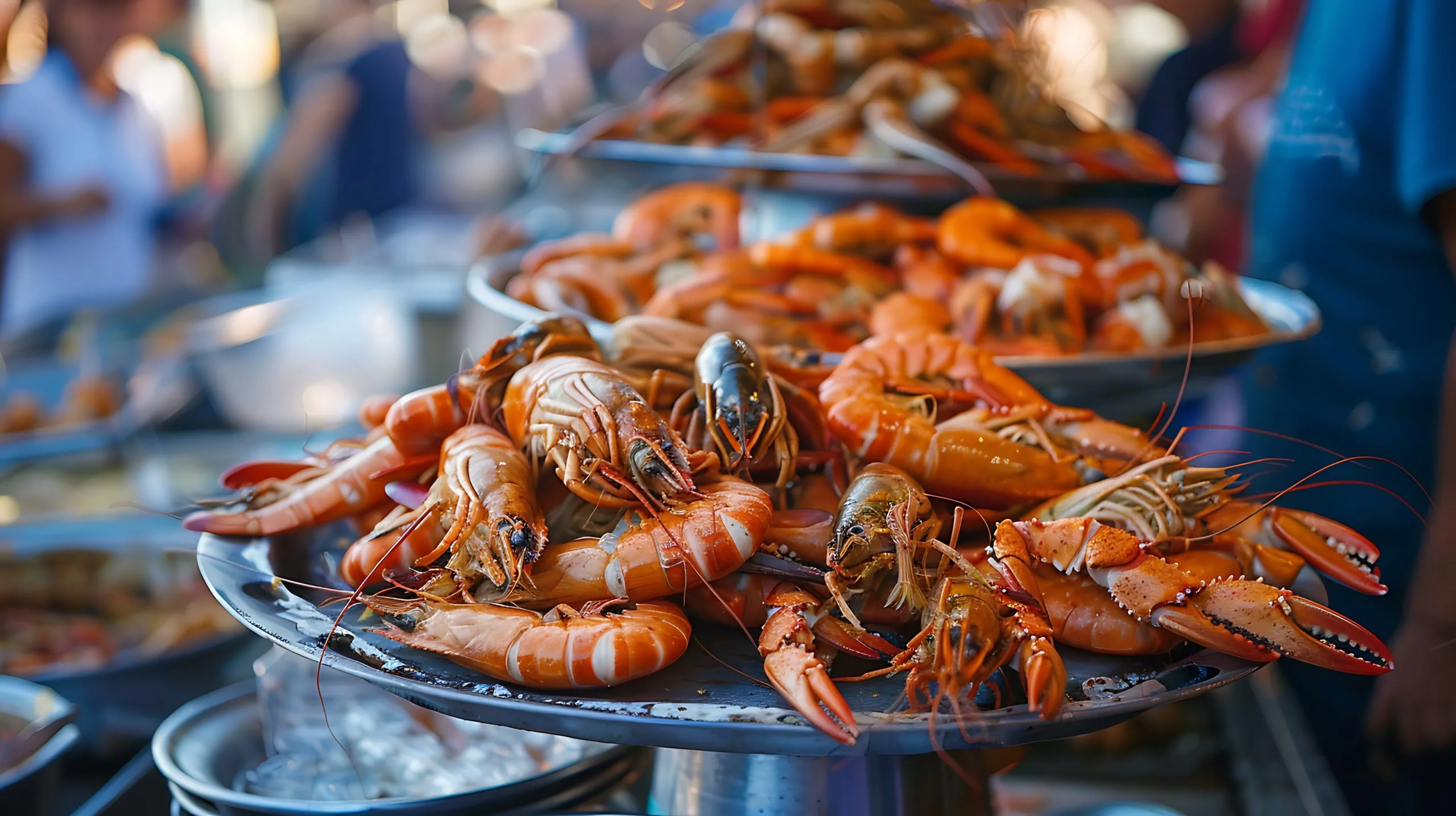
The South Africa shrimp market is developing steadily as consumers, restaurants, hotels, retailers, and seafood distributors show growing interest in convenient and protein-rich seafood products. Shrimp is used across frozen retail packs, restaurants, catering, seafood platters, ready-to-cook meals, and home-cooking occasions. The market was estimated at around USD 0.78 billion in 2025 and is projected to reach USD 1.45 billion by 2035. As modern grocery channels, urban dining habits, and frozen seafood demand expand, shrimp is becoming a more visible category in South Africa’s seafood market.
Key market drivers are supporting shrimp demand across South Africa
Imported shrimp is improving product availability
South Africa relies significantly on imported shrimp to meet domestic demand, especially for frozen, peeled, cooked, and value-added products. Imported supply helps retailers, wholesalers, and foodservice operators maintain year-round availability across different sizes, origins, and price segments. This is important because local shrimp supply remains limited compared to demand from urban consumers and commercial buyers. Import-led availability also allows seafood businesses to serve supermarkets, hotels, restaurants, and catering companies more consistently. As demand grows, import planning and supplier relationships are becoming important for maintaining stable pricing and supply.
Frozen and ready-to-cook seafood products are gaining traction
Convenience is a major driver of shrimp consumption in South Africa. Frozen shrimp, cleaned shrimp, marinated shrimp, and ready-to-cook packs are becoming more attractive to households that want easy meal solutions without complex preparation. Shrimp is used in stir-fries, curries, pasta, rice dishes, grilled meals, salads, and seafood platters, making it adaptable to different eating occasions. Modern retail chains and online grocery platforms are helping improve access to frozen seafood products. As consumers seek protein-rich and convenient foods, shrimp has scope to grow across both everyday and premium meal categories.
Foodservice demand is expanding shrimp usage
Restaurants, hotels, cafés, catering businesses, and tourism-linked dining channels are supporting shrimp demand in South Africa. Shrimp is widely used in appetizers, seafood baskets, grilled dishes, pasta, sushi, Asian cuisine, and premium seafood offerings. Foodservice operators value shrimp because it is versatile, familiar, and easy to portion. Urban dining, travel, and casual restaurant formats are creating more opportunities for shrimp-based menu items.
Government support and initiatives are shaping seafood development
Government support for fisheries management, aquaculture development, food safety, and import regulation is shaping South Africa’s seafood sector. Policies that support responsible aquaculture, sustainable harvesting, seafood quality standards, and cold chain infrastructure can help improve market stability. Food safety oversight and import checks also play an important role in maintaining consumer confidence. As South Africa works to strengthen food security and local production, aquaculture development may create longer-term opportunities for domestic seafood supply, including shrimp-related products.
Competitive landscape is becoming more retail and import focused
The South Africa shrimp market includes importers, seafood distributors, frozen food companies, wholesalers, supermarkets, restaurants, hotels, and catering suppliers. Competition is shaped by product quality, origin, price, cold chain reliability, packaging, and supply consistency. Imported frozen shrimp competes strongly on availability and cost, while value-added products compete on convenience and ease of preparation. Retailers and foodservice suppliers that offer reliable sourcing, clear labelling, and consistent product quality are likely to gain stronger customer trust.
Market challenges continue to affect pricing and supply reliability
Import dependence creates exposure to global risks
South Africa’s reliance on imported shrimp makes the market sensitive to freight costs, exchange rates, supplier disruptions, disease outbreaks in aquaculture regions, and global seafood price changes. These factors can affect landed costs and retail pricing.
Cold chain and affordability pressures can limit growth
Shrimp requires reliable cold storage and temperature-controlled transport to maintain quality. Cold chain gaps, high logistics costs, and consumer price sensitivity can affect wider adoption. Businesses need efficient distribution and value-oriented formats to reach broader consumer groups.
Future outlook
The future outlook for the South Africa shrimp market remains positive, supported by imported seafood availability, frozen product demand, urban retail growth, foodservice usage, and rising interest in convenient proteins. The market is projected to reach around USD 1.45 billion by 2035, reflecting long-term growth potential. Opportunities are expected in frozen shrimp, ready-to-cook formats, foodservice supply, online grocery channels, and responsibly sourced seafood. Businesses that invest in cold chain efficiency, traceability, supplier partnerships, and affordable value-added products will be better positioned to capture future demand.
Consultants at Nexdigm, in their latest publication “South Africa shrimp market outlook to 2035,” analyze the sector By Shrimp Species (Farmed Shrimp Penetration, Wild-Caught Shrimp Utilization, Import Dependency, Species Consumption Preference), By Product Form (Ready-to-Cook Penetration, Frozen Seafood Utilization, Foodservice Demand)
Nexdigm suggests that businesses in the South Africa shrimp market should focus on reliable imports, cold chain efficiency, and traceability to support consistent retail and foodservice supply.
To take the next step, simply visit our Request a Consultation page and share your requirements with us.
Harsh Mittal
+91-8422857704