
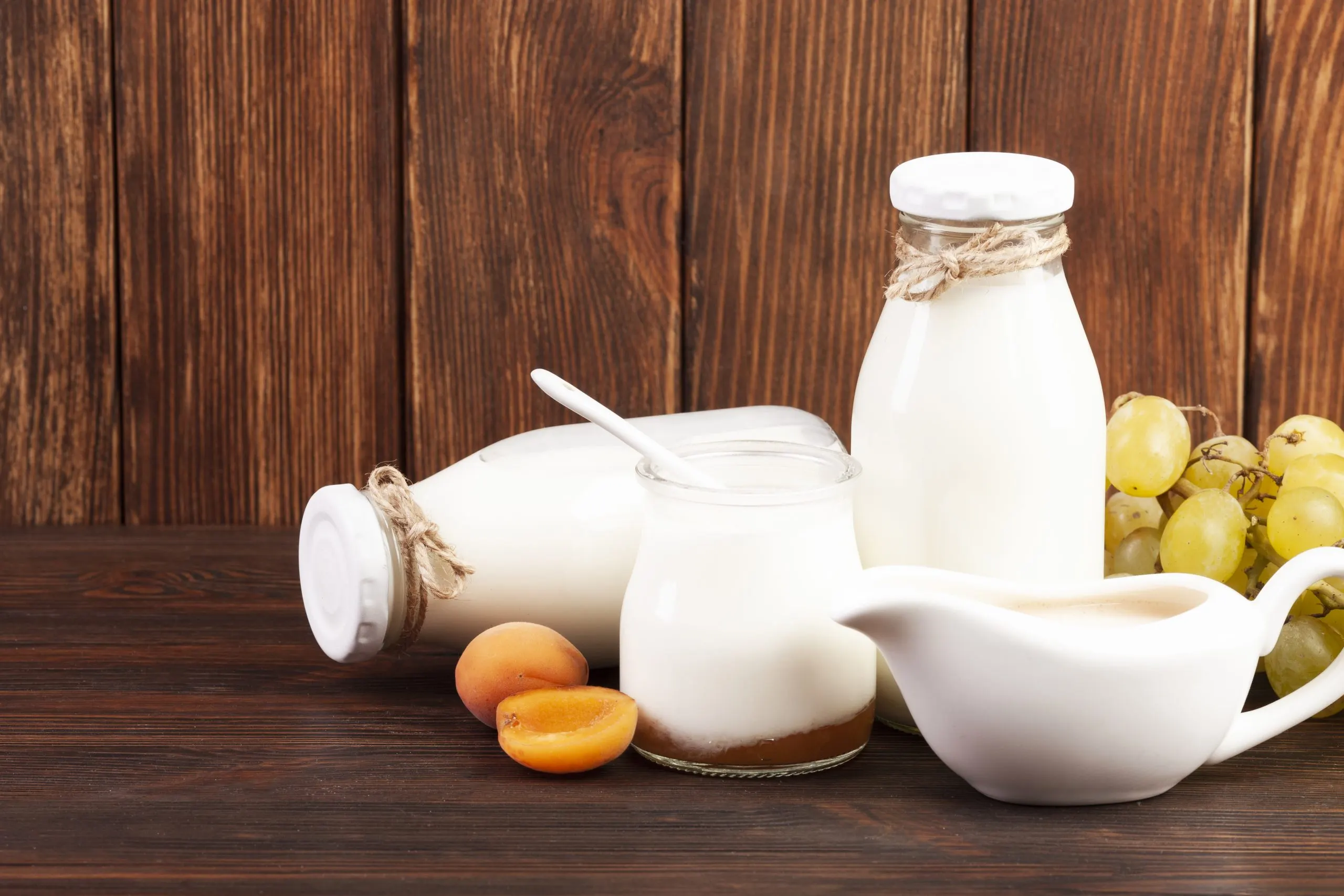
The South Africa sour milk drinks market is expanding as consumers continue to embrace traditional fermented dairy products while showing growing interest in convenient and health-oriented beverages. Products such as amasi, maas, drinkable yogurt, kefir, probiotic dairy drinks, and flavored fermented milk products are consumed across households, retail outlets, foodservice channels, and informal markets. Amasi already has strong cultural relevance, while modern packaged formats are helping the category reach younger and urban consumers. South Africa’s yogurt and probiotic drink market is projected to reach USD 2.33 billion by 2030, reflecting wider demand for functional dairy beverages.
Key market drivers are strengthening demand for sour milk drinks in South Africa
Traditional fermented dairy habits are supporting everyday consumption
Amasi and maas are familiar dairy products across South Africa, giving sour milk drinks a strong base of consumer acceptance. These products are often consumed with meals, porridge, maize-based dishes, or as refreshing standalone beverages. Unlike newer functional drinks that require heavy consumer education, sour milk drinks benefit from existing trust, taste familiarity, and cultural relevance. Packaged dairy companies are building on this foundation by offering safer, standardized, and more convenient versions through supermarkets, spaza shops, convenience stores, and foodservice channels. This balance of tradition and convenience is helping the category remain relevant across income groups and regions.
Digestive wellness and nutrition awareness are improving category relevance
Consumers are becoming more aware of gut health, protein intake, calcium, immunity, and daily nutrition. Fermented dairy drinks fit well into this shift because they are associated with probiotics, digestibility, satiety, and natural nourishment. The global sour milk drinks market is estimated at USD 9.03 billion in 2025 and is projected to reach USD 11.62 billion by 2030, growing at 5.19% CAGR. This wider momentum is encouraging brands in South Africa to position sour milk drinks not only as traditional staples but also as modern wellness beverages.
Retail availability is making packaged options more accessible
Supermarkets, convenience stores, informal retail, foodservice outlets, and online grocery platforms are improving consumer access to packaged sour milk drinks. Smaller packs, family-size formats, and flavored variants are widening use occasions.
Government support and dairy sector development are strengthening market foundations
Government priorities around food safety, nutrition, dairy farming, local processing, and agricultural development are supporting the South Africa sour milk drinks market. Standards related to milk quality, labeling, hygiene, cold-chain handling, and product safety help build confidence in packaged fermented dairy products. Support for dairy farmers and processors also strengthens the supply base for value-added dairy beverages. As consumers become more attentive to product quality and nutrition, companies that maintain strong compliance, transparent labeling, and reliable chilled distribution can improve credibility across formal and informal channels.
Competitive landscape is becoming more brand and format focused
The South Africa sour milk drinks market includes large dairy processors, regional dairy brands, cooperatives, private labels, foodservice suppliers, informal dairy sellers, and health-focused beverage players. Competition is shaped by taste, freshness, price, pack size, shelf life, cold-chain reach, probiotic claims, and brand trust. Established dairy companies benefit from procurement networks and retail distribution, while smaller players often compete through affordability and local familiarity. Brands that combine traditional flavor, consistent quality, and modern packaging can strengthen consumer loyalty.
Market challenges continue to affect scale and profitability
Cold-chain requirements can increase distribution complexity
Sour milk drinks require hygienic processing, chilled storage, and careful distribution to maintain freshness and safety. Weak cold-chain execution can affect taste, shelf life, and retailer confidence.
Price sensitivity and informal competition can limit premiumization
Many consumers remain price conscious and may compare packaged products with lower-cost informal or homemade options. Premium probiotic and flavored variants must clearly communicate value.
Future outlook
The future outlook for the South Africa sour milk drinks market remains positive, supported by traditional amasi consumption, rising gut health awareness, urban retail growth, and convenient packaged dairy formats. Opportunities are expected across amasi, maas, drinkable yogurt, kefir, probiotic dairy beverages, low-sugar variants, fortified products, family packs, and affordable single-serve formats. As South Africa’s yogurt and probiotic drink market moves toward USD 2.33 billion by 2030, businesses that combine cultural relevance, affordability, freshness, nutrition, cold-chain strength, and retail reach will be better positioned to capture long-term growth.
Consultants at Nexdigm, in their latest publication “South Africa sour milk drinks market outlook to 2035,” analyze the sector By Product Type (Leite Fermentado, Bebida Láctea Fermentada, Drinkable Yogurt, Probiotic Dairy Shots), By Culture and Functional Claim (Lactobacillus-Based Drinks, Bifidobacterium-Based Drinks, Mixed-Culture Fermented Dairy Drinks, Kefir Culture-Based Drinks).
Nexdigm suggests that businesses in the South Africa sour milk drinks market should focus on affordable, refreshing, and culturally relevant fermented dairy beverages that support demand for amasi, maas, drinkable yogurt, kefir, and probiotic drinks.
To take the next step, simply visit our Request a Consultation page and share your requirements with us.
Harsh Mittal
+91-8422857704