
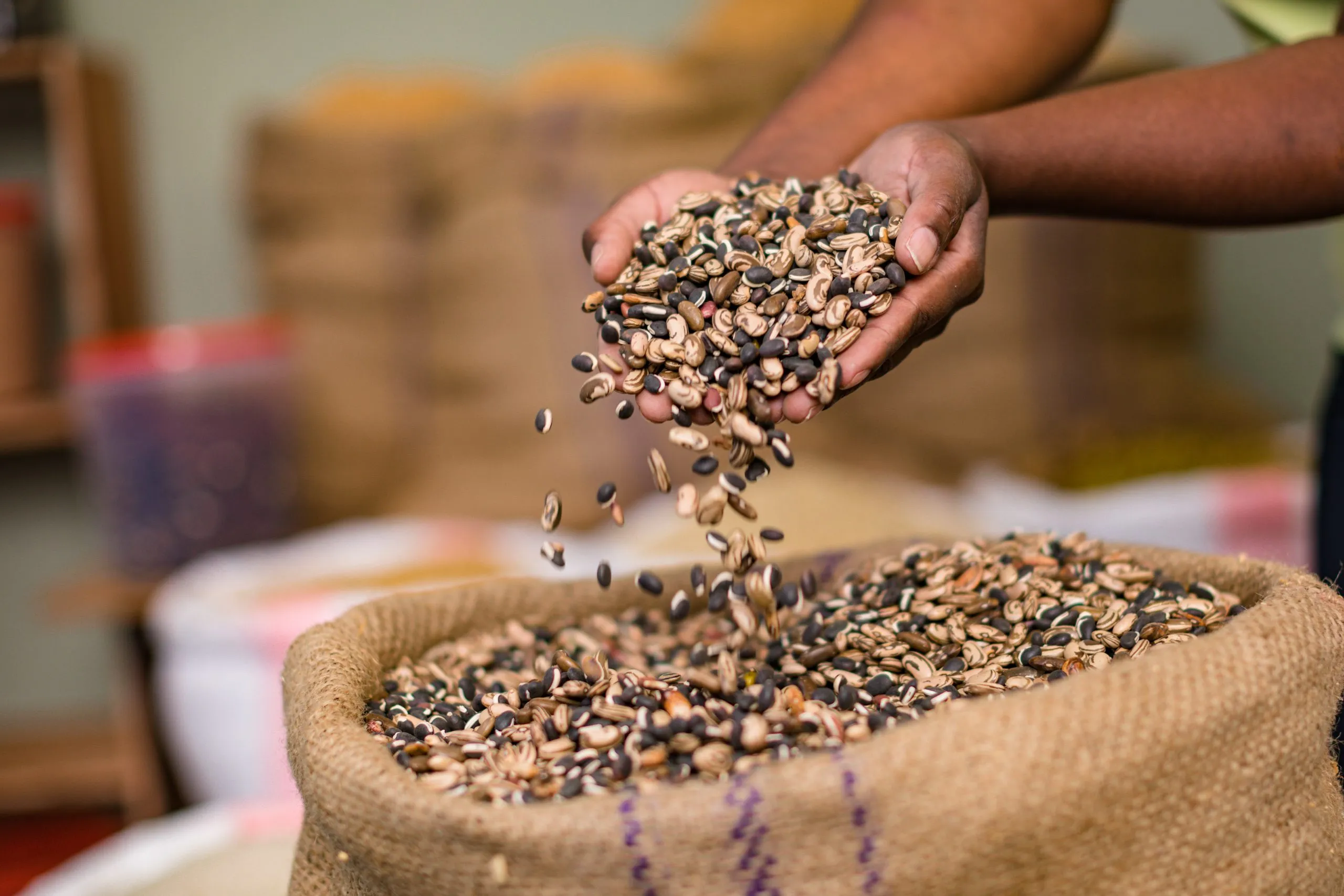
The South Africa vegetable seed market is witnessing strong growth as farmers increasingly adopt improved seed varieties to enhance productivity, crop quality, and profitability. As one of Africa’s most advanced agricultural economies, South Africa continues to invest in modern farming technologies and climate-resilient cultivation practices. The vegetable seed market is valued at over USD 131 million and is projected to grow significantly in the coming years, supported by rising demand for fresh produce and commercial vegetable farming. Hybrid seeds are becoming particularly popular as growers look for solutions that can deliver higher yields and better resistance to diseases and environmental challenges.
Key Growth Drivers in the South Africa Vegetable Seed Market
Rising Adoption of Hybrid and Improved Seed Varieties
One of the biggest growth drivers in the South Africa vegetable seed market is the increasing adoption of hybrid seeds. These seeds offer several advantages, including higher yields, better crop uniformity, improved shelf life, and stronger resistance to pests and diseases. Commercial growers cultivating tomatoes, onions, carrots, cucumbers, peppers, and cabbages are increasingly choosing hybrid varieties to meet market demand and maximize returns. As competition in the fresh produce sector intensifies, farmers are prioritizing seeds that can improve productivity and reduce crop losses.
Expansion of Commercial Vegetable Farming
South Africa’s growing fresh produce industry is creating sustained demand for quality vegetable seeds. Regions such as Limpopo, Western Cape, Gauteng, KwaZulu-Natal, and Mpumalanga remain key vegetable-producing hubs, supporting demand for advanced seed technologies. The expansion of organized retail channels, food processing industries, and export-oriented farming is encouraging growers to invest in premium seed varieties capable of producing consistent, high-quality harvests. This trend is expected to further strengthen market growth across the country.
Growing Need for Climate-Resilient Agriculture
Climate variability continues to influence agricultural decision-making across South Africa. Recurring droughts, irregular rainfall patterns, and increasing temperatures have heightened the need for resilient crop varieties. As a result, farmers are actively seeking vegetable seeds that can withstand environmental stress while maintaining productivity. The growing focus on climate-smart agriculture is encouraging seed companies to develop drought-tolerant, disease-resistant, and water-efficient varieties that align with evolving farming requirements.
Government Support Driving the South Africa Vegetable Seed Market
Government initiatives aimed at improving food security and agricultural sustainability are creating a favorable environment for the South Africa vegetable seed market. Investments in agricultural research, climate adaptation programs, and farmer support schemes are encouraging the adoption of improved seed varieties. In addition, policy measures promoting climate-resilient agriculture and ongoing public-private collaboration in seed development are helping strengthen the country’s agricultural value chain. These efforts are supporting long-term productivity growth and improving farming resilience.
Competitive Landscape of the South Africa Vegetable Seed Market
The South Africa vegetable seed market is characterized by the presence of both multinational seed companies and established local breeders. Key industry participants focus on expanding their hybrid seed portfolios, improving distribution networks, and investing in research and development. Companies such as Starke Ayres, Sakata Seed Southern Africa, Hygrotech, MayFord Seeds, and Syngenta maintain strong market positions through innovation and extensive farmer outreach programs. Competition is increasingly driven by product performance, climate adaptability, and technical support services.
Key Challenges Facing the South Africa Vegetable Seed Market
Climate Uncertainty and Water Scarcity
Despite positive growth prospects, climate-related risks remain a significant challenge for the South Africa vegetable seed market. Frequent droughts, water shortages, and unpredictable rainfall can impact vegetable cultivation and reduce farm profitability. These challenges increase demand for climate-resilient seed varieties while placing pressure on seed companies to continuously innovate and adapt their product offerings.
Rising Input Costs and Affordability Concerns
Higher costs associated with fertilizers, irrigation, labor, and quality seeds can impact adoption rates, particularly among smallholder farmers. While premium hybrid seeds offer long-term productivity benefits, affordability remains a key consideration for many growers across rural regions. Balancing innovation with cost efficiency will remain crucial for market participants.
Future Outlook
The future of the South Africa vegetable seed market appears highly promising, driven by increasing hybrid seed adoption, expanding commercial vegetable cultivation, and growing investment in climate-smart agriculture. The market is projected to grow at a CAGR of approximately 9.2%, reflecting strong demand for advanced seed technologies and improved farm productivity. As farmers continue to focus on yield optimization, disease resistance, and water-use efficiency, seed innovation will remain central to market development. Continued investments in breeding technologies, precision agriculture, and sustainable farming practices are expected to create significant opportunities for both domestic and international seed companies operating in the country.
Consultants at Nexdigm, in their latest publication “South Africa Vegetable Seed Market Outlook to 2035,” analyze the sector By Crop Family (Potato Seed Tubers, Onion Seeds, Tomato Seeds, Cabbage and Brassica Seeds, Carrot Seeds), By Distribution Channel (Direct-to-Grower Sales, Seed Distributors and Regional Agents, Agri-Input Retailer, Cooperatives and Producer Organisations, Fresh Produce Market-Linked Buyers).
Nexdigm suggests that businesses should invest in hybrid and climate-resilient vegetable seed development, strengthen partnerships with commercial growers, and expand farmer education initiatives to capitalize on the rising demand for high-yield and sustainable agricultural solutions in the South Africa vegetable seed market.
To take the next step, simply visit our Request a Consultation page and share your requirements with us.
Harsh Mittal
+91-8422857704