
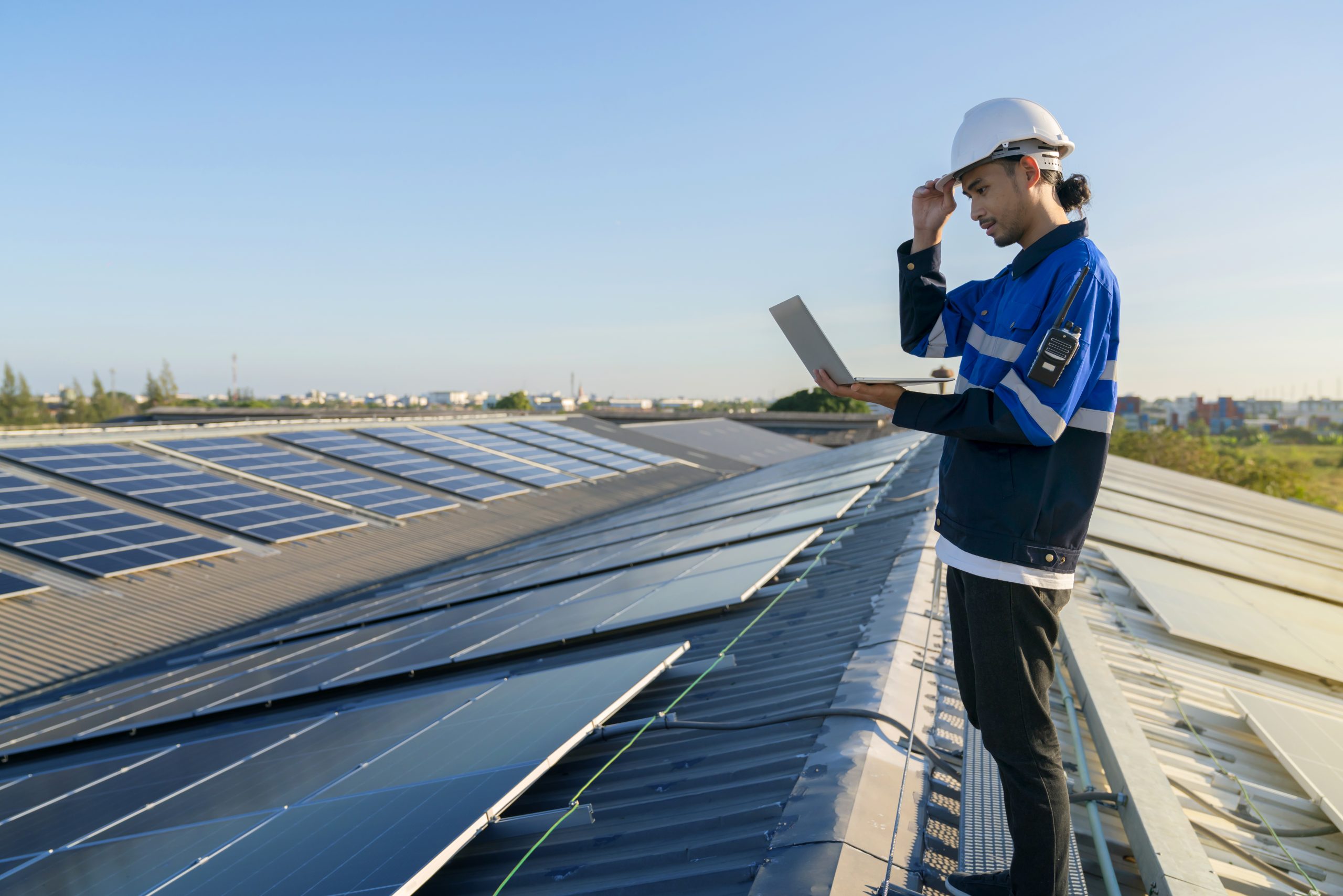
South Korea’s renewable energy journey is reshaping the country’s power landscape, and solar PV mounting systems have become a critical part of that transformation. These structures may sit behind the scenes, but they provide the foundation that keeps solar panels secure, efficient, and long-lasting. As solar installations continue to expand across rooftops, industrial facilities, solar farms, and floating solar projects, demand for reliable mounting solutions is growing steadily. With South Korea generating nearly 29.9 TWh of electricity from solar power, accounting for around 5% of total electricity generation, the need for advanced mounting infrastructure continues to strengthen.
Market Drivers Advancing the South Korea Solar PV Mounting Systems Industry
Rising Solar Capacity Across the Country
The rapid expansion of solar power installations remains the strongest driver for the mounting systems industry. South Korea’s cumulative solar capacity has crossed 30 GW, while industry forecasts indicate continued growth as the country pursues ambitious renewable energy targets. Utility-scale projects, commercial rooftops, and residential solar systems all require specialized mounting structures that can withstand harsh weather conditions while maximizing panel performance. For project developers, selecting the right mounting system has become just as important as choosing efficient solar modules. Durable and lightweight structures help improve project economics by reducing maintenance costs and extending system lifespan.
Growing Popularity of Floating Solar Developments
South Korea faces unique land constraints due to its mountainous terrain and dense urban areas. As a result, floating solar projects have emerged as a practical alternative to traditional ground-mounted installations. These projects require corrosion-resistant and highly engineered mounting systems that can perform reliably on reservoirs and other water bodies. The country’s focus on maximizing available space has encouraged innovation in floating solar infrastructure, creating new opportunities for mounting system manufacturers and technology providers.
Technological Innovations Enhancing Project Efficiency
The South Korea solar PV mounting systems industry is also benefiting from continuous technological advancements. Manufacturers are developing lightweight aluminum structures, high-strength steel systems, and tracker-compatible mounting solutions that improve installation speed and energy output. Modern mounting systems are increasingly designed to support automation and smart monitoring capabilities. These innovations not only improve operational efficiency but also help solar developers achieve better returns on their investments, making large-scale solar projects more attractive.
Government Initiatives Supporting the Solar PV Mounting Systems Industry
Government support remains a major catalyst for solar infrastructure growth. South Korea’s renewable energy strategy aims to significantly increase the contribution of clean energy to the national power mix, creating strong demand for solar installations and related components. According to industry estimates, the country has outlined plans that could support up to 72 GW of solar capacity deployment in the long term. Incentives for rooftop solar, renewable portfolio standards, and corporate clean-energy adoption initiatives continue to encourage investments that indirectly benefit the mounting systems sector.
Competitive Landscape of the South Korea Solar PV Mounting Systems Sector
The market is characterized by competition between domestic manufacturers and international suppliers offering customized mounting solutions. Industry participants compete on durability, installation efficiency, corrosion resistance, and cost-effectiveness. Many companies are strengthening their positions through research and development investments, strategic partnerships with EPC contractors, and specialized solutions for rooftop, ground-mounted, and floating solar applications. As project complexity increases, firms that can provide tailored engineering support are gaining a competitive advantage.
Challenges Impacting the South Korea Solar PV Mounting Systems Industry
Limited Land Availability for Solar Projects
Despite strong solar growth, land scarcity remains a significant challenge. Securing suitable locations for large-scale projects is often difficult due to competing land-use requirements, environmental considerations, and local regulations. This increases project development costs and creates demand for alternative installation approaches such as floating solar systems.
Raw Material Cost Fluctuations
Mounting system manufacturers rely heavily on steel and aluminum, making them vulnerable to global commodity price volatility. Sudden increases in raw material costs can impact profit margins and affect the overall economics of solar projects. Supply chain disruptions also create uncertainties for both manufacturers and developers.
Future Outlook
The future of South Korea’s solar PV mounting systems industry appears highly promising as the country accelerates its clean-energy transition. Rising solar installations, increasing adoption of floating solar technology, and continuous engineering innovations are expected to drive sustained demand for advanced mounting solutions. With South Korea’s solar market projected to continue expanding from its current capacity base and renewable energy investments remaining a national priority, mounting system providers are well-positioned to benefit from new project opportunities. Companies that focus on durability, lightweight designs, and smart infrastructure integration are likely to play a pivotal role in supporting the next phase of the country’s solar growth story.
Consultants at Nexdigm, in their latest publication “South Korea Solar PV Mounting Systems Market Outlook to 2035“, analyze the sector By Mounting System Architecture (Single-Axis Tracker Assemblies, BIPV Integrated Mounting Modules and Flat Roof Non-Penetrating Racks), By Material Composition (Anodized Aluminium Alloys, Magnesium-Zinc Coasted Steel and Stainless Steel Components) and By Installation Environment (Coastal Saline Conditions and Inland Reservoir Floaating Sites).
Nexdigm suggests that businesses in “South Korea Solar PV Mounting Systems Industry” focusses on oilfield, desalination, construction, and industrial applications, strengthen local warehousing, develop application-specific grades, improve technical support, and build resilient sourcing networks to serve expanding energy, water, and manufacturing demand.
To take the next step, simply visit our Request a Consultation page and share your requirements with us.
Harsh Mittal
+91-8422857704