
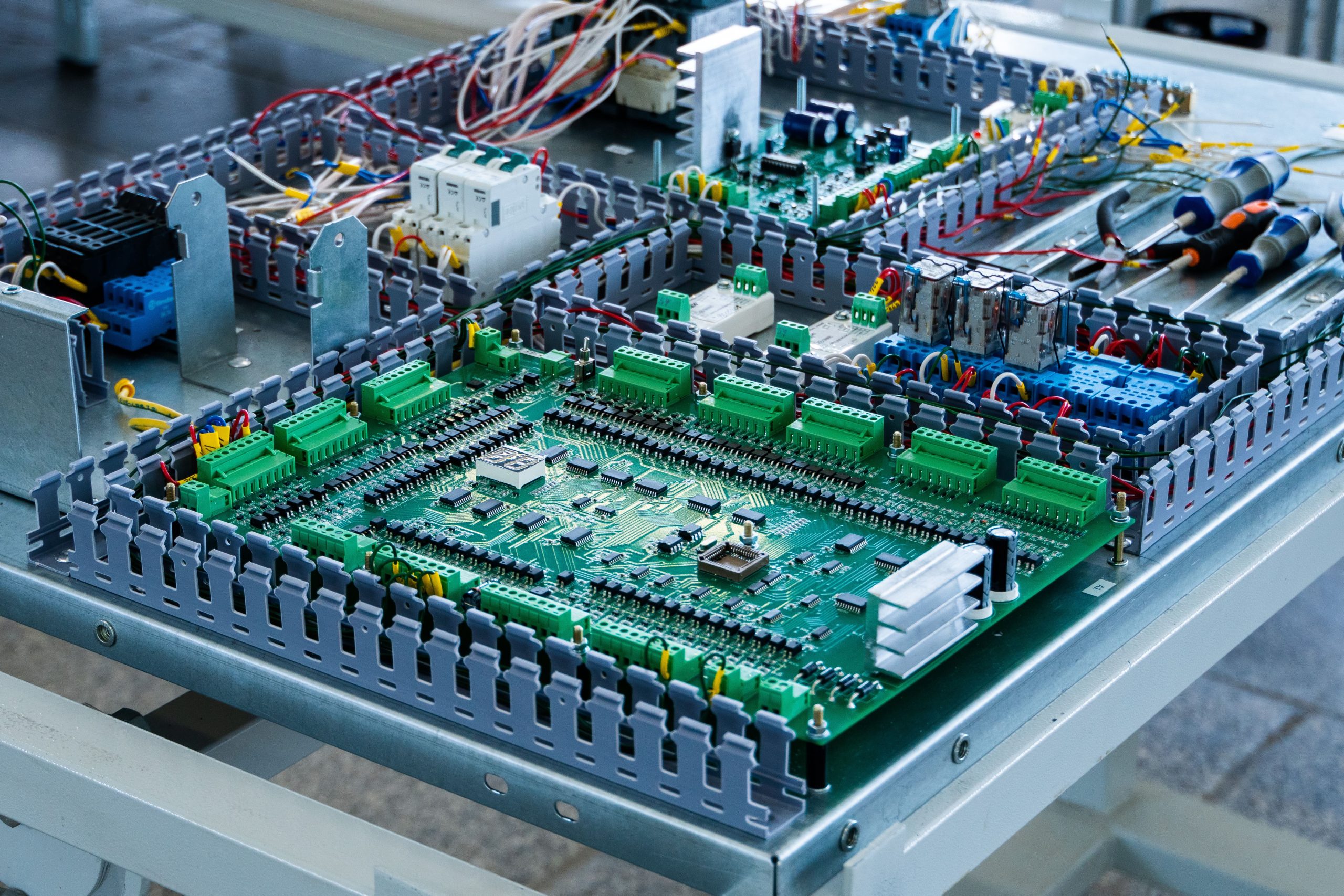
Spain’s semiconductor infrastructure market is gaining strategic importance as Europe accelerates efforts to strengthen technological sovereignty and reduce reliance on Asian chip manufacturing hubs. As of 2026, Spain remains a relatively small player in the global semiconductor value chain, with limited domestic wafer fabrication capacity compared to countries such as Taiwan, South Korea, and the United States. However, the country is rapidly positioning itself as a key contributor to Europe’s semiconductor ecosystem through large-scale public investments, research collaborations, and industrial partnerships. Spain’s Semiconductor Strategy, supported by the European Union’s Chips Act, aims to mobilize over €12 billion in investments to expand semiconductor design, packaging, and advanced manufacturing capabilities. With strong research institutions, an emerging chip design ecosystem, and growing interest from global semiconductor firms, Spain is steadily strengthening its infrastructure to support Europe’s digital and industrial ambitions.
What’s Driving the Semiconductor Infrastructure Market in Spain?
Expansion of Digital and Automotive Electronics Demand
The rising demand for semiconductors across sectors such as automotive, telecommunications, consumer electronics, and industrial automation is fueling Spain’s semiconductor infrastructure development. Spain hosts one of Europe’s largest automotive manufacturing industries, with major production plants operated by global automakers. The rapid shift toward electric vehicles (EVs), advanced driver assistance systems (ADAS), and connected mobility solutions is increasing demand for power semiconductors and microcontrollers. These developments are encouraging investments in chip design centers and semiconductor testing facilities across Spain.
Growth of Data Centers and Cloud Infrastructure
Spain is witnessing strong growth in hyperscale data centers and cloud computing infrastructure, particularly in regions such as Madrid, Barcelona, and Aragon. The expansion of digital services, artificial intelligence, and high-performance computing is increasing demand for advanced semiconductor components and related infrastructure. Technology companies are investing in semiconductor R&D and computing facilities to support data-intensive applications, which is strengthening Spain’s position within Europe’s broader digital infrastructure ecosystem.
Strong Research and Innovation Ecosystem
Spain benefits from a strong network of universities, research institutions, and technology centers working on semiconductor materials, photonics, and chip design. Institutions such as the Barcelona Supercomputing Center and IMB-CNM are actively involved in advanced semiconductor research. Collaborative initiatives between academia, government agencies, and private firms are fostering innovation in areas such as chip architecture, nanotechnology, and semiconductor packaging. This ecosystem is helping Spain build capabilities across multiple stages of the semiconductor value chain.
Government-Led Initiatives
The Spanish government has launched several initiatives to strengthen the country’s semiconductor infrastructure as part of the Strategic Project for Economic Recovery and Transformation (PERTE) for Microelectronics and Semiconductors. This program aims to mobilize more than €12 billion in public and private investments to boost semiconductor manufacturing, chip design, and advanced packaging capabilities. The initiative also supports the development of semiconductor talent through specialized education and training programs. Additionally, Spain is leveraging funding from the European Union’s Chips Act to attract international semiconductor companies and expand domestic R&D facilities. Regional governments are also offering incentives such as tax benefits, infrastructure support, and industrial land to attract semiconductor investments. These efforts are intended to position Spain as a strategic semiconductor hub within the European Union.
Market Competition
Spain’s semiconductor infrastructure market remains in a developing stage, with a mix of international technology firms, research institutions, and emerging domestic companies participating in the ecosystem. Global semiconductor companies are increasingly establishing design centers and R&D facilities in Spain to tap into the country’s engineering talent pool. Meanwhile, domestic technology firms and startups are focusing on chip design, photonics, and specialized semiconductor applications. Collaborative partnerships between multinational semiconductor companies and Spanish research institutions are accelerating innovation and strengthening Spain’s integration into the global semiconductor supply chain.
Supply Chain and Infrastructure Challenges
Despite growing investments, Spain still faces several challenges in building a competitive semiconductor infrastructure. The country currently lacks large-scale wafer fabrication facilities capable of producing advanced semiconductor nodes, making it dependent on overseas foundries for high-end chip manufacturing. Establishing semiconductor fabs requires extremely high capital expenditure, specialized equipment, and long-term supply chain commitments. Additionally, Spain must address workforce shortages in semiconductor engineering, materials science, and microelectronics design. Competition for skilled talent across Europe and the United States remains intense. Ensuring reliable access to critical raw materials, advanced lithography equipment, and global supply chain networks will also be essential for the long-term success of Spain’s semiconductor ambitions.
Future Outlook
Spain’s semiconductor infrastructure market is expected to expand significantly through 2035 as Europe intensifies efforts to localize semiconductor production and strengthen technological resilience. Investments under Spain’s PERTE Semiconductor initiative and the EU Chips Act are expected to accelerate the development of semiconductor R&D centers, packaging facilities, and chip design clusters across the country. By the early 2030s, Spain is likely to emerge as a key European hub for semiconductor design, testing, and advanced packaging rather than large-scale leading-edge fabrication. Growing demand from automotive electronics, artificial intelligence, telecommunications, and renewable energy technologies will further drive semiconductor infrastructure development. Spain’s strong research ecosystem and collaboration with European semiconductor initiatives will support innovation in photonics, power semiconductors, and specialized chips for industrial applications.
Consultants at Nexdigm, in their latest publication “Spain Semiconductor Infrastructure Market Outlook to 2035”, analyzed the market by Component (Wafer Fabrication Facilities, Semiconductor Assembly & Testing, Chip Design Centers, R&D Infrastructure), By End-Use Industry (Automotive, Consumer Electronics, Telecommunications, Industrial Electronics, Data Centers), and By Region (Madrid, Catalonia, Valencia, Basque Country, Rest of Spain). Nexdigm believes that companies should prioritize investments in advanced packaging, chip design capabilities, and semiconductor research collaborations while leveraging EU funding and regional incentives to build a competitive semiconductor ecosystem in Spain.
To take the next step, simply visit our Request a Consultation page and share your requirements with us.
Harsh Mittal
+91-8422857704