
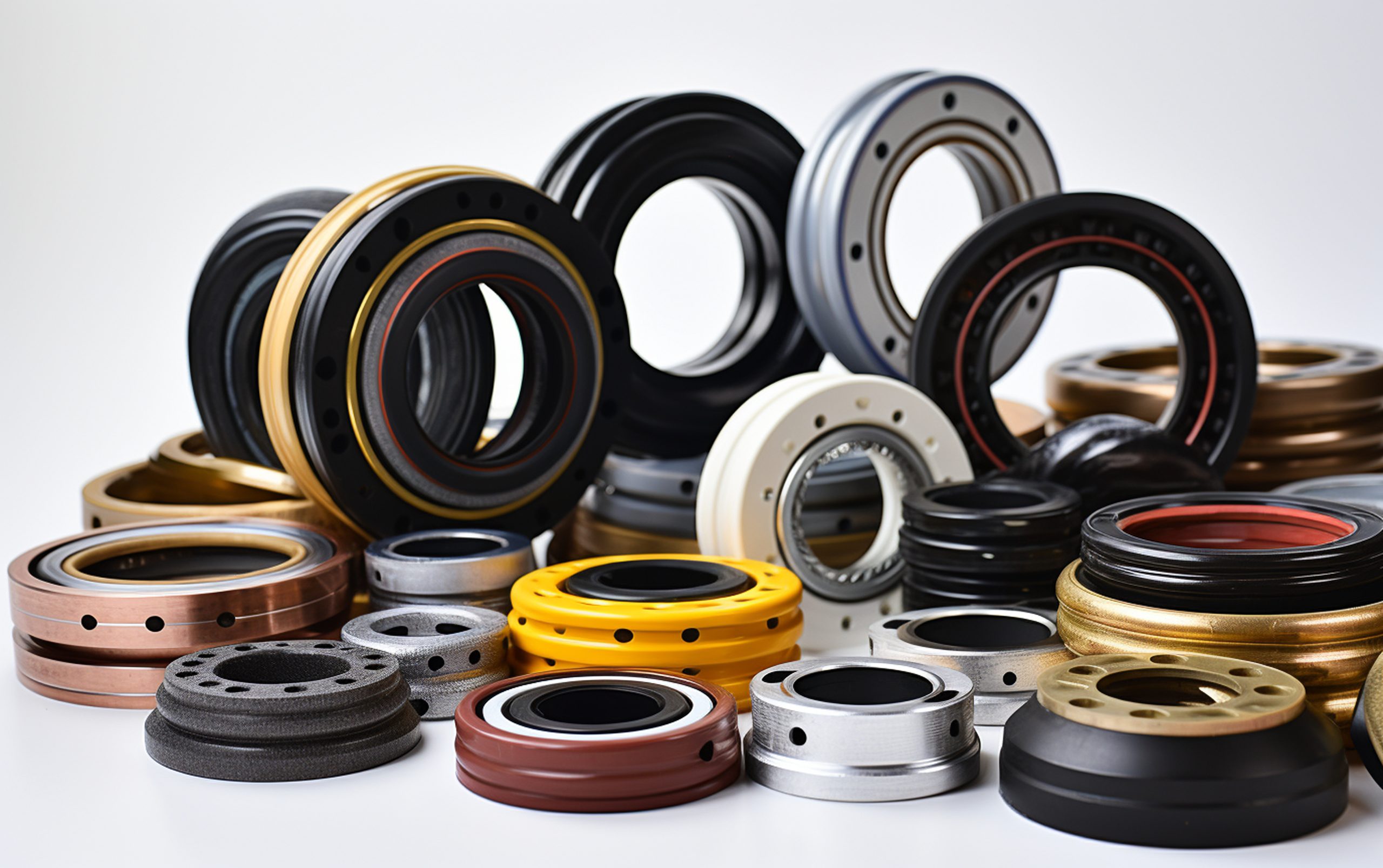
Gaskets and seals are essential components supporting Thailand’s industrial ecosystem by improving equipment reliability, preventing leaks, and maintaining operational efficiency. These products are widely used in automotive manufacturing, electronics production, petrochemicals, machinery, marine applications, and industrial processing equipment. Thailand’s position as a major manufacturing hub, particularly in automotive and electronics, continues to create demand for dependable sealing solutions. The country’s manufacturing production index increased 2.52% year over year, supported by stronger automotive production and industrial export activity. As industries adopt advanced machinery and expand production capabilities, demand is shifting toward high-performance sealing products designed for challenging operating conditions.
Market Drivers for Thailand’s Gaskets and Seals Industry
Industrial Manufacturing Expands Market Opportunities
Thailand’s broad manufacturing base creates consistent demand for industrial gaskets and seals. Industries such as electronics, chemicals, food processing, machinery, and energy rely on pumps, compressors, valves, and processing equipment where sealing performance is critical. Thailand’s economy continues to rely heavily on manufacturing, which remains one of the country’s major industrial sectors. The growth of industrial facilities and equipment installations increases demand for both original equipment components and replacement products used in maintenance activities. Manufacturers are increasingly seeking sealing products that provide better durability, chemical resistance, and performance under extreme conditions. This trend supports demand for advanced materials including PTFE, graphite, metal gaskets, and engineered elastomers.
Electronics and Precision Engineering Create New Demand
Thailand’s electronics and precision manufacturing industries are creating additional applications for specialized sealing solutions. Semiconductor equipment, electrical systems, automation machinery, and industrial tools require components that can operate with high accuracy and reliability. As manufacturers invest in automation and advanced production systems, sealing requirements are becoming more specialized. Suppliers that can provide customized products, technical guidance, and consistent quality standards are better positioned to serve these applications. Thailand’s role within regional manufacturing supply chains also creates opportunities for gasket and seal companies supporting multinational manufacturers operating in the country.
Government Support for Thailand’s Gaskets and Seals Industry
Thailand’s industrial development policies focus on strengthening manufacturing competitiveness, attracting investment, and supporting advanced industries. Initiatives promoting sectors such as automotive, electronics, automation, and smart manufacturing indirectly support the gasket and seal industry by expanding the industrial customer base. Government efforts to develop industries under Thailand’s Eastern Economic Corridor (EEC) also encourage investment in advanced manufacturing and infrastructure. These developments create opportunities for local suppliers and international companies providing industrial components and engineering solutions.
Competitive Landscape of Thailand’s Gaskets and Seals Industry
Thailand’s gaskets and seals market includes international manufacturers, local producers, distributors, and industrial suppliers. Competition is shaped by product quality, customization capabilities, pricing, technical support, and delivery reliability. Automotive and industrial customers often require certified products with consistent performance. International companies typically provide advanced sealing technologies, while local suppliers compete through faster response times, regional knowledge, and customized solutions. Companies that combine engineering expertise with strong supply networks can better address the needs of Thailand’s manufacturing industries.
Challenges Faced Within the Thailand’s Gaskets and Seals Industry
Dependence on Imported Materials Creates Supply Risks
Thailand’s gasket and seal manufacturers may face challenges related to dependence on imported raw materials such as specialty rubber, PTFE, graphite, and metals. Changes in material costs, transportation expenses, and global supply conditions can affect production costs and delivery timelines.
Increasing Technical Requirements Raise Competition
Industrial customers are demanding sealing solutions with improved durability, temperature resistance, chemical compatibility, and longer service life. Meeting these requirements requires investment in testing, quality control, material expertise, and product development. Smaller suppliers may find it challenging to compete while maintaining advanced technical capabilities and cost efficiency.
Future Outlook
In the upcoming years, Thailand’s gaskets and seals market is expected to develop alongside the country’s continued industrial growth and manufacturing transformation. Automotive production, electronics expansion, industrial modernization, and infrastructure development are likely to remain important sources of demand. Recent improvements in manufacturing activity, including a 2.52% year-on-year increase in factory output, highlight continued industrial momentum. In the coming years, customers are expected to place greater emphasis on engineered sealing products that deliver higher reliability and efficiency. Suppliers that invest in advanced materials, local partnerships, customization capabilities, and technical support will be better positioned to capture opportunities across Thailand’s evolving industrial landscape.
Consultants at Nexdigm, in their latest publication “Thailand Gaskets and Seals Market Outlook to 2035,” analyze the sector By Product Type (Spiral Wound, Ring Type Joint and Metal Jacketed Gaskets), By Sealing Function (Static, Dynamic Sealing Systems, Rotary Equipment Sealing and Pneumatic Sealing).
Nexdigm suggests that businesses in the Thailand Gasket and Seals Industry should focus on strengthening supply-chain resilience and supporting high-value industries such as electronics, marine, energy, and precision engineering. Companies should also prioritize local partnerships, and innovation to address evolving industrial requirements.
To take the next step, simply visit our Request a Consultation page and share your requirements with us.
Harsh Mittal
+91-8422857704