
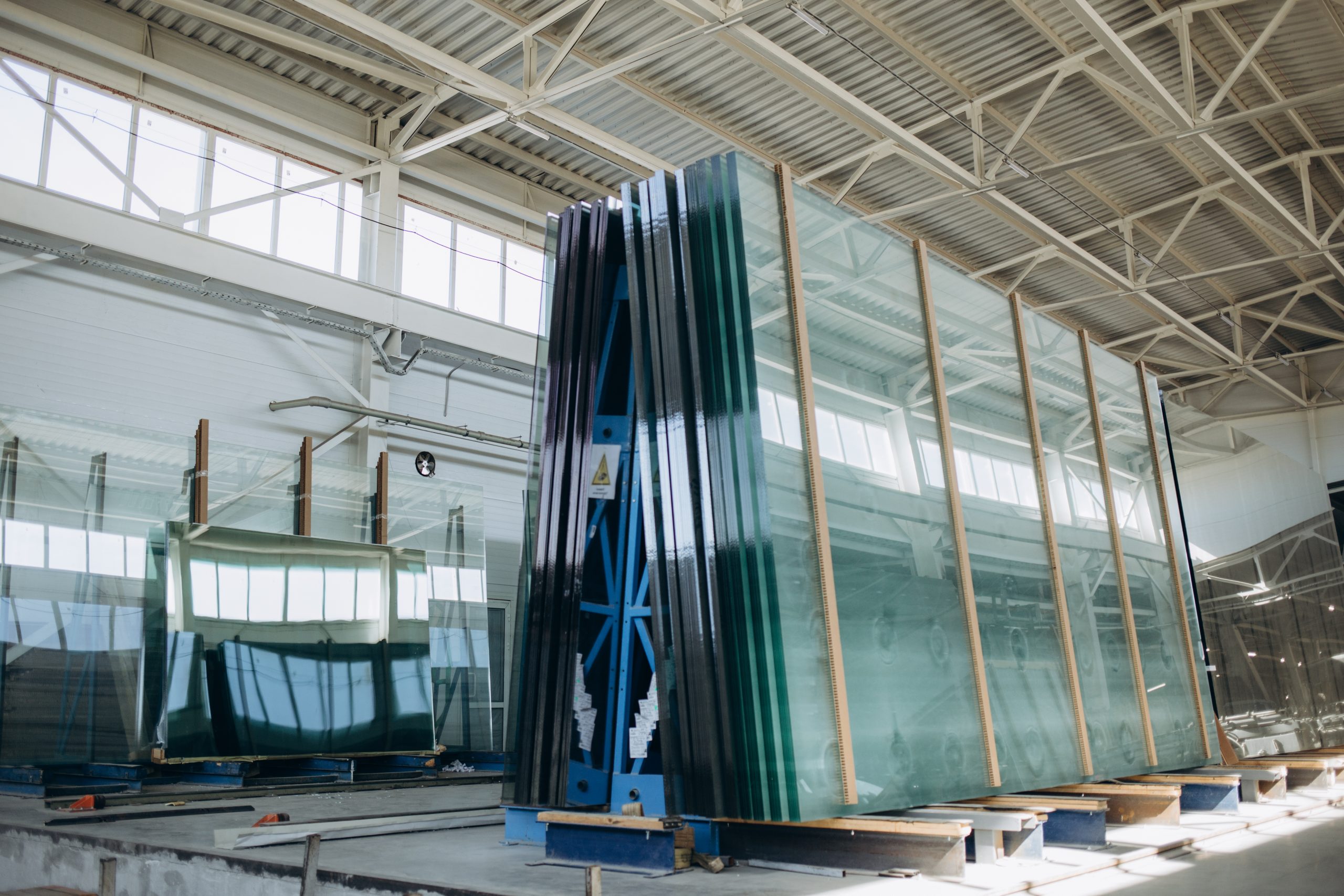
Thailand’s laminated glass market is evolving as construction, automotive manufacturing, commercial development, and energy-efficient building requirements increase demand for safer and higher-performance glazing. Laminated glass combines multiple glass layers with an interlayer that helps retain fragments after breakage, making it suitable for façades, windows, windshields, and safety applications. Thailand’s substantial automotive manufacturing ecosystem provides an important demand base. During January–August, vehicle production reached 959,711 units, while battery-electric passenger-car production increased 74.03% compared with the same period a year earlier. These trends are creating opportunities for specialized automotive and architectural glazing suppliers.
Key Market Drivers for Thailand Laminated Glass Industry
Urban Construction Expands High-Performance Glazing Applications
Commercial buildings, hotels, residential developments, transport facilities, and mixed-use projects are expanding the range of applications for laminated glass. Developers increasingly consider safety, acoustic performance, daylight utilization, solar control, and building-envelope efficiency when selecting glazing systems. Thailand’s Building Energy Code strengthens this trend. Energy-conservation requirements apply to nine categories of new or modified buildings with areas of 2,000 square meters or more. Building-envelope performance is among the systems assessed under these standards. As energy efficiency becomes more integrated into project design, demand can shift toward advanced glazing configurations that combine laminated construction with coatings, insulation, or solar-control properties.
Automotive Transformation Creates Specialized Glass Demand
Thailand’s established automotive manufacturing industry provides another major growth avenue. Laminated glass is particularly important for vehicle windshields because safety and visibility requirements demand reliable glazing performance. The changing vehicle mix could further influence product specifications. Battery-electric passenger-car production reached 60,578 units during January–August, representing growth of 74.03% from the corresponding period a year earlier. Hybrid passenger-car production reached 164,398 units, rising 20.40%. Growing production of technologically advanced vehicles can support demand for value-added glazing incorporating acoustic control, UV protection, sensors, displays, and other functional features.
Safety and Acoustic Performance Broaden Market Opportunities
Demand is also being shaped by growing expectations around occupant safety and comfort. Laminated glass can provide enhanced post-breakage integrity and sound reduction, making it relevant for high-rise buildings, hotels, offices, airports, roadside developments, and premium vehicles. Manufacturers capable of supplying customized interlayers, thicker configurations, acoustic laminates, and high-performance architectural glass can address increasingly specialized project requirements.
Government Initiatives Supporting Advanced Laminated Glass Adoption in Thailand
Thailand’s energy-efficiency policies are influencing building-material specifications. The Building Energy Code regulates areas including building envelopes, lighting, air-conditioning, hot-water systems, and overall energy consumption. Government authorities have also continued programs to improve implementation of BEC requirements. These measures can indirectly encourage greater consideration of glazing performance in large commercial and institutional developments.
Competitive Landscape of Thailand Laminated Glass Industry
Thailand’s market includes domestic glass processors, regional manufacturers, international glass companies, automotive suppliers, and architectural glazing specialists. Competition increasingly extends beyond basic glass supply toward safety performance, processing quality, coatings, customization, and delivery capabilities. Automotive suppliers face demanding quality requirements, while architectural companies compete through project-specific glazing systems and relationships with developers, façade contractors, architects, and construction firms.
Major Challenges Facing Thailand Laminated Glass Market
Energy Intensive Production Raises Cost Pressures
Glass processing requires considerable energy, making manufacturers sensitive to electricity, fuel, transportation, and raw-material costs. Laminated products also require specialized interlayers and processing equipment, which can increase production complexity and capital requirements.
Performance Requirements Increase Technical Complexity
Suppliers must address safety, optical quality, thermal performance, durability, and project-specific specifications simultaneously. Advanced automotive and architectural applications may therefore require greater investment in testing, quality assurance, processing technology, and skilled personnel.
Future Outlook
Over the coming years, Thailand’s laminated glass industry is likely to become increasingly connected with smarter buildings, electrified mobility, and higher safety expectations. Opportunities will extend beyond conventional glazing toward acoustic laminates, solar-control products, customized façades, and sophisticated automotive glass. Continued growth in EV production and stronger attention to building-envelope efficiency could further reshape customer requirements. Suppliers that combine consistent quality with specialized processing, product development, and close collaboration with automotive and construction customers will be positioned to address Thailand’s increasingly performance-driven glass applications.
Consultants at Nexdigm, in their latest publication “Thailand Laminated Glass Market Outlook to 2035,” analyze the sector By Product Type (PVP, SGA, Resin, Acoustic, EVA, Coloured, Low E Laminated Glass), By Interlayer Type (Polyvinyl Butyral, Ethylene Vinyl Acetate, SentryGlas Plus and Specialty Acoustic Interlayers), By Applications (Marine Glazing, Skylines and Canopies)
Nexdigm suggests that businesses in Thailand’s Laminated Glass Industry should focus on making investments in smart glazing technologies, recycling capabilities, and customized products designed for green buildings and modern infrastructure projects. Strengthening partnerships with architects, developers, and construction firms can help expand market opportunities.
To take the next step, simply visit our Request a Consultation page and share your requirements with us.
Harsh Mittal
+91-8422857704