
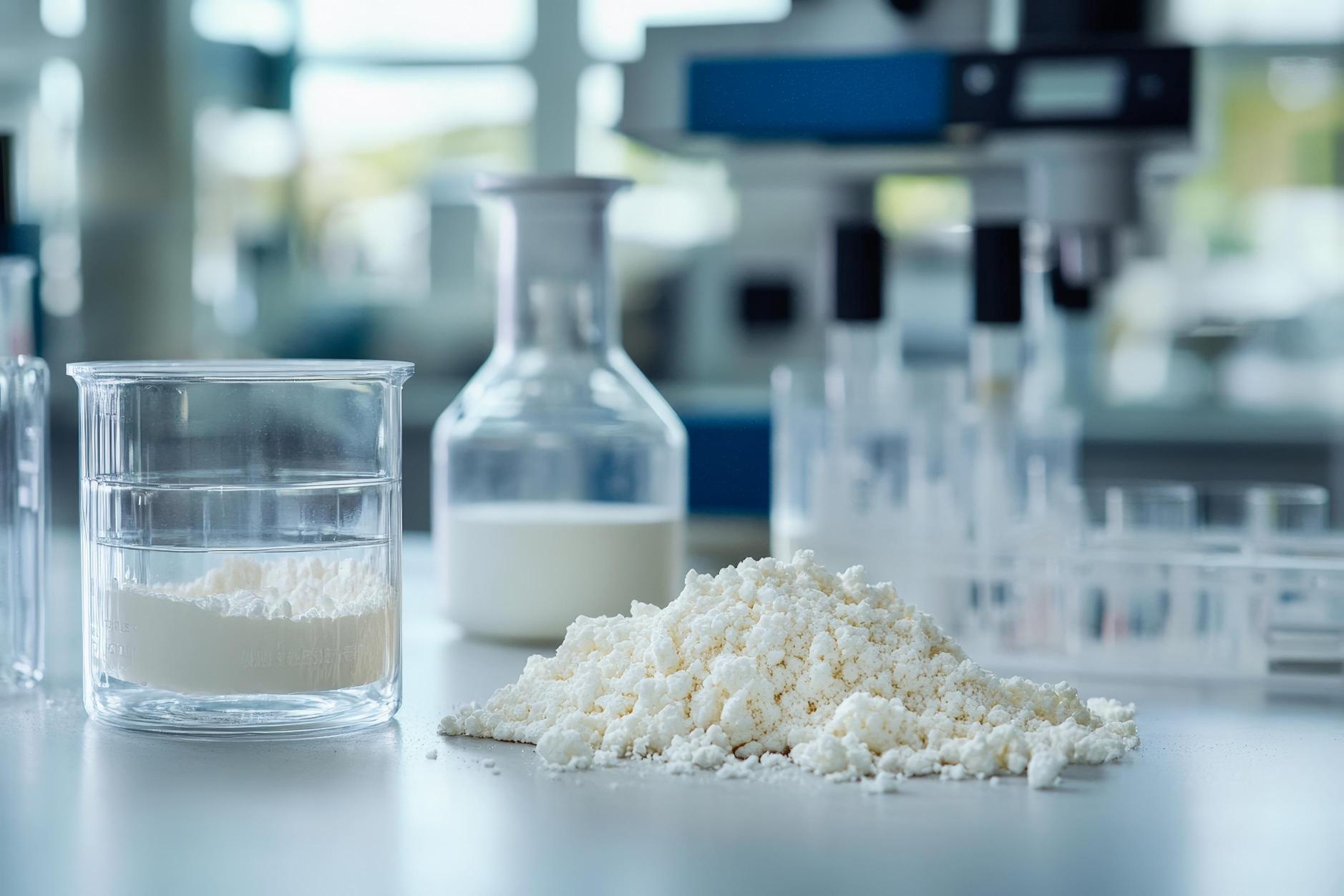
Thailand’s native starch market is supported by its established cassava industry, expanding food processing, strong export activity, and diversified industrial applications. Native starch is widely used in noodles, sauces, bakery products, confectionery, beverages, paper, textiles, adhesives, and pharmaceuticals. Thailand remains a major global supplier of cassava products, with tapioca starch exports historically reaching around 1.7 million tonnes. This large processing and export base provides domestic starch producers with scale, sourcing expertise, and access to established international markets.
Market Drivers Supporting Thailand’s Native Starch Industry
Cassava Processing Strengthens Raw Material Availability
Thailand has a well-developed cassava-processing ecosystem serving both domestic and export markets. Native tapioca starch remains one of the country’s important value-added agricultural products and is widely supplied into food and industrial applications. Export data demonstrate Thailand’s strong competitive position. In the UK market alone, Thailand supplied 8,868 tonnes of tapioca starch, representing about 76.9% of total UK imports in 2025. Strong international demand supports utilization of domestic processing capacity and encourages product-quality improvements.
Food Processing Expands Domestic Demand
Thailand continues to attract substantial investment into agriculture and food processing. Investment applications in this sector reached approximately 75.7 billion baht across 301 projects in 2025, covering processed foods, beverages, specialty ingredients, and related products. Native starch provides thickening, binding, texturizing, and moisture-retention functions in noodles, sauces, bakery products, snacks, processed meats, dairy preparations, and convenience foods. Continued expansion of higher-value food manufacturing should therefore support steady domestic consumption.
Industrial Applications Broaden Market Opportunities
Tapioca starch is also used in paper, packaging, textiles, pharmaceuticals, adhesives, and bio-based materials. Thailand is promoting agricultural feedstocks for higher-value products such as bioplastics, biofuels, and biochemicals, creating additional opportunities for starch-based industrial solutions.
Government Initiatives Supporting Thailand’s Native Starch Market
Thailand’s Board of Investment continues to promote agriculture, food processing, biotechnology, and bio-based industries through investment incentives and regional economic corridors. Target sectors include food manufacturing, agricultural processing, and bio-based products, while qualifying projects can receive corporate income-tax incentives and additional benefits for R&D and human-resource development. These measures encourage greater value addition from cassava and other agricultural raw materials.
Competitive Insights of Thailand’s Native Starch Industry
Thailand’s native starch industry includes large cassava processors, exporters, regional ingredient suppliers, food manufacturers, and industrial distributors. Competition focuses on starch purity, viscosity consistency, moisture content, price, export certification, logistics, and technical performance. Domestic producers benefit from established cassava sourcing networks, while larger companies compete through processing scale, export relationships, quality control, specialized grades, and support for food, paper, adhesive, textile, and pharmaceutical customers.
Challenges Affecting Thailand’s Native Starch Market
Climate and Crop Disease Risks
Cassava production can be affected by drought, irregular rainfall, cassava mosaic disease, and pest outbreaks. Recent trade reporting noted that adverse weather and disease contributed to weaker cassava availability and export volumes.
Heavy Exposure to Export Markets
Thailand’s cassava industry remains closely linked to overseas demand, particularly China. Changes in international prices, exchange rates, freight costs, and customer-market conditions can therefore affect processor margins and domestic starch pricing.
Future Outlook
As Thailand moves toward higher-value agricultural processing and bio-based manufacturing, native starch should remain an important link between the country’s farming base and its food and industrial sectors. Agriculture and food-processing investment already exceeds 75 billion baht, while Thailand continues to hold a strong position in international tapioca starch trade. Going forward, demand should increasingly favor consistent-quality, traceable, food-grade, and application-specific starches. Producers combining efficient cassava sourcing, modern processing, export diversification, and technical support should remain well positioned.
Consultants at Nexdigm, in their latest publication “Thailand Native Starch Market Outlook to 2035,” analyze the sector By Product Material Type (Corn, Tapioca, Wheat, Potato and Rice Ntaive Starch), By Functionality Type (Thickening, Binding, Stabilizing, Gelling Starch), By Product Form (Powdered, Granulated and Food Grade Native Starch)
Nexdigm suggests that businesses in the Thailand Native Starch Industry should focus on strengthening local inventory and distribution, targeting food and industrial applications, ensure consistent quality, and providing technical support across packaging, paper, adhesives, pharmaceuticals, and processed foods.
To take the next step, simply visit our Request a Consultation page and share your requirements with us.
Harsh Mittal
+91-8422857704