
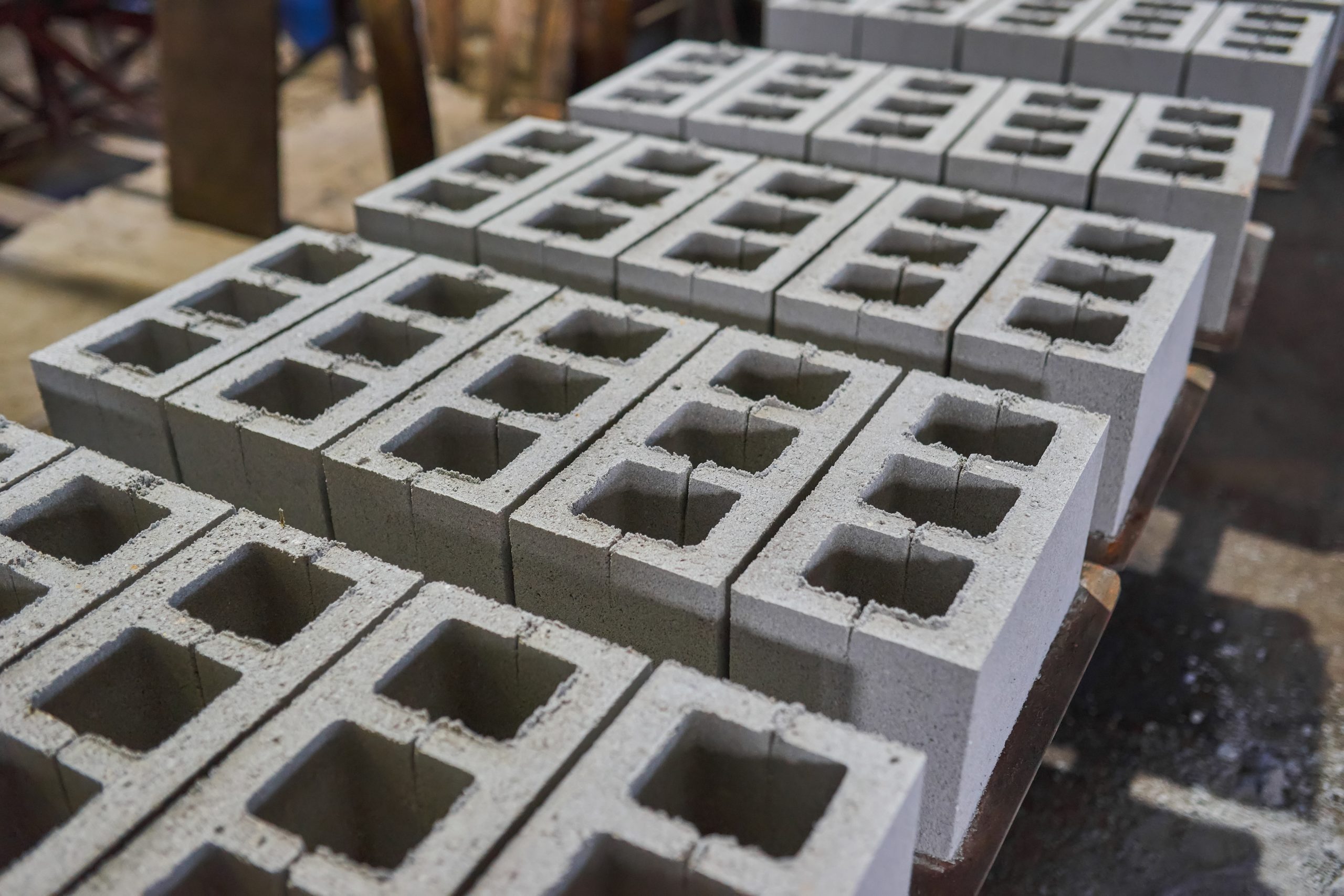
Thailand’s precast concrete industry is steadily becoming a cornerstone of modern construction. As cities expand, industrial zones grow, and transport networks become more sophisticated, developers are searching for building solutions that offer both speed and quality. Precast concrete has emerged as a practical answer, allowing projects to be completed faster while maintaining consistency and durability. With Thailand’s construction sector expected to surpass USD 41 billion by 2031 and supported by a USD 75+ billion infrastructure pipeline, demand for precast components is expected to remain strong across residential, commercial, and infrastructure projects.
Market Drivers Of Thailand Precast Concrete Sector
Thailand’s Mega Infrastructure Projects Are Fueling Industry Demand
One of the biggest growth engines for Thailand’s precast concrete industry is the country’s ongoing investment in transportation and public infrastructure. Massive projects, including railway expansions, airport upgrades, highways, and seaport developments, require durable and standardized construction materials.Projects such as the Thai-China high-speed rail network, the expansion of U-Tapao Airport, and developments at Laem Chabang Port are creating consistent demand for precast beams, columns, tunnel segments, bridge components, and retaining walls. Thailand’s infrastructure investment pipeline is valued at more than USD 75 billion, providing long-term visibility for manufacturers and suppliers.
Thailand’s Urban Expansion Is Increasing Residential Construction Activity
Thailand’s growing urban population is transforming the housing landscape. Rising demand for condominiums, affordable housing, mixed-use developments, and commercial properties is encouraging builders to adopt construction methods that shorten project timelines.Precast concrete helps developers save time, improve site safety, and reduce labor dependency. Residential projects already account for more than 35% of Thailand’s construction activity, making housing a major source of demand for precast wall panels, floor slabs, staircases, and structural elements.
Thailand’s Shift Toward Prefabrication Is Accelerating Precast Adoption
The construction industry is increasingly embracing prefabricated and modular building techniques. Developers are under pressure to complete projects faster while maintaining quality standards and controlling costs.Concrete currently represents the largest material segment within Thailand’s prefabricated building market, accounting for more than half of industry revenue. As awareness of sustainable and factory-controlled construction grows, precast solutions are becoming a preferred choice across residential, commercial, and industrial developments.
Government Support For Thailand Precast Concrete Industry
Government-led initiatives such as the Eastern Economic Corridor (EEC), smart city projects, transport modernization programs, and public-private partnership investments continue to create favorable conditions for the precast concrete industry. These developments encourage the use of modern construction techniques while generating significant demand for prefabricated structural components. Continued public investment in railways, ports, airports, and logistics infrastructure is expected to support market growth for years to come.
Competitive Landscape Of Thailand Precast Concrete Sector
Thailand’s precast concrete market consists of established local manufacturers alongside regional construction material suppliers. Companies are focusing on expanding production capacity, introducing automated manufacturing technologies, and developing customized solutions for large infrastructure and building projects. Strategic collaborations with contractors and real estate developers are also becoming increasingly important as competition intensifies and project requirements become more specialized.
Market Challenges Of Thailand’s Precast Concrete Sector
Rising Material and Energy Costs Affect Project Economics
Like many construction-related industries, precast concrete manufacturers face challenges from fluctuating raw material prices, transportation costs, and energy expenses. These factors can influence project budgets and place pressure on profit margins throughout the supply chain.
Specialized Expertise and Transportation Demands Remain Key Concerns
Although precast construction reduces the need for extensive on-site labor, producing and installing large concrete components requires technical expertise and specialized equipment. In addition, transporting oversized precast structures across Thailand can create logistical challenges, particularly for projects located outside major urban centers.
Future Outlook
The future of Thailand’s precast concrete market looks promising as the country continues to modernize its infrastructure and urban landscape. Demand is expected to be supported by expanding transportation networks, industrial developments, residential construction, and smart city initiatives. At the same time, growing interest in sustainable building practices and efficient construction methods will further strengthen the appeal of precast solutions. As contractors increasingly prioritize faster project delivery, better quality control, and long-term durability, precast concrete is likely to become an even more integral part of Thailand’s construction ecosystem, helping shape the nation’s next generation of infrastructure and buildings.
Nexdigm, in their latest publication “Thailand Precast Concrete Market”, analyze the sector By Product Type (Structural Building Components, Precast Wall Panels and Box Culverts), By Construction System (Total Precast Building Systems, Precast Envelope Systems and Hybrid Precast-Steel Systems) and By Application (Residential Buildings, C ommercail Buildings and Institutional Building).
Nexdigm suggests that businesses in Thailand Precast Concrete Industry focusses on oilfield, desalination, construction, and industrial applications, strengthen local warehousing, develop application-specific grades, improve technical support, and build resilient sourcing networks to serve expanding energy, water, and manufacturing demand.
To take the next step, simply visit our Request a Consultation page and share your requirements with us.
Harsh Mittal
+91-8422857704